Oct5
Scottish Country Dancing
Mon, Oct 5 · 7:00 pm
St Andrew’s Presbyterian Church 261 Christina St N Sarnia, ON

St. Joseph’s Healthcare Hamilton (SJHH) is dealing with a serious cybersecurity incident after a ransomware group claimed to have stolen hospital data and placed it up for auction online. On […]
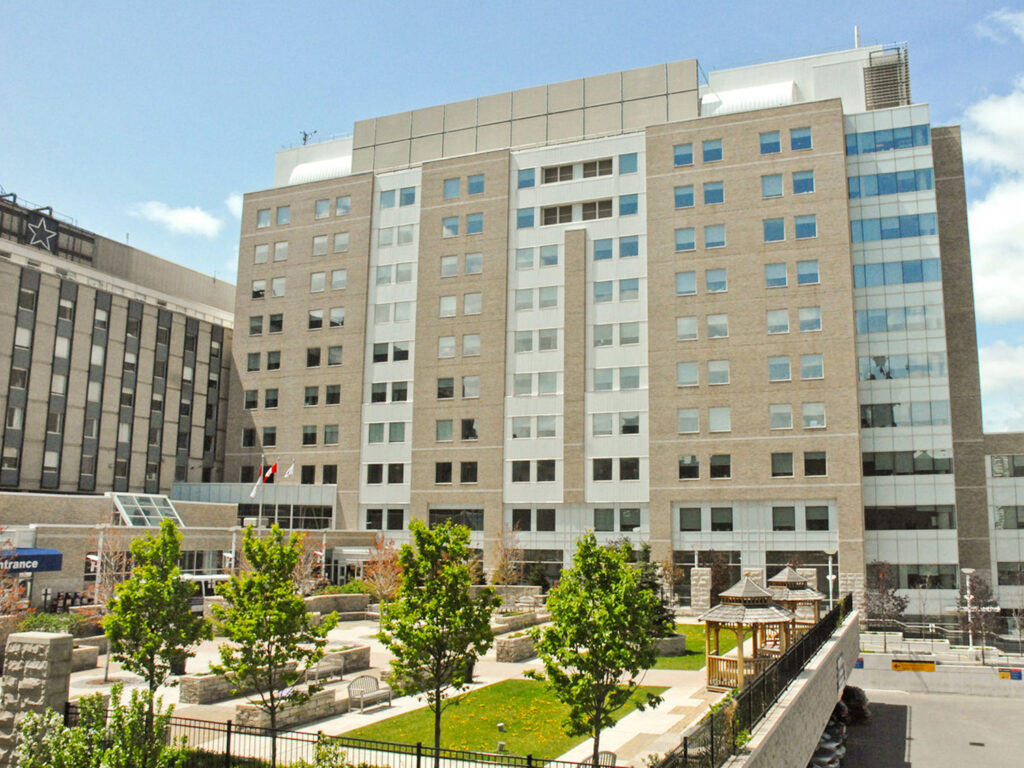
St. Joseph’s Healthcare Hamilton (SJHH) is dealing with a serious cybersecurity incident after a ransomware group claimed to have stolen hospital data and placed it up for auction online. On November 22, the Rhysida ransomware group posted the material on its dark-web site, advertising what it says is confidential medical, research, and administrative information taken from the organization.
As one of Ontario’s largest academic and research hospitals, SJHH manages immense volumes of sensitive material across its multiple campuses and clinical programs. The organization oversees electronic health records, diagnostic imaging networks, mental-health documentation, laboratory systems, research databases, and internal operational files. Any compromise within this ecosystem raises significant concerns for patient safety, data protection, and system integrity.
Rhysida is offering what it claims to have taken for a starting price of 8 BTC, following an extortion model the group has used in previous attacks on hospitals and public institutions worldwide. Instead of releasing stolen files publicly, Rhysida typically sells exclusive access to one buyer, a tactic that increases both the value of the information and the risks associated with its misuse.
The scope of the data involved may be extensive. Information often targeted in similar attacks includes patient medical records, diagnostic scans, laboratory results, appointment and billing details, and medication histories. Employee files, payroll information, internal communications, and credentials may also be at risk. Research data—including clinical-trial results, participant information, and proprietary scientific material—could affect academic partners and ongoing studies.
A breach of this nature carries wide-ranging consequences. Patients could face identity theft, fraudulent health-care billing, or other misuse of personal information. Staff members may be exposed to credential theft or the leaking of HR documents. Research teams may experience interruptions to studies or loss of intellectual property. The attack also raises the possibility of targeted phishing attempts or impersonation scams aimed at individuals listed in the stolen information.
Operational impacts remain unclear, though healthcare providers targeted in ransomware incidents often need to disconnect or restrict access to digital systems as a precaution. Such disruptions can slow clinical workflows, delay diagnostic work, and force temporary use of paper-based processes.
The incident triggers legal and regulatory responsibilities under Ontario’s Personal Health Information Protection Act, which requires hospitals to notify the province’s Information and Privacy Commissioner when personal health information may have been compromised. Depending on the affected datasets, federal privacy laws and research-ethics guidelines could also become relevant. Past Canadian healthcare breaches have frequently resulted in class-action lawsuits, especially when sensitive medical information is sold or leaked.
Security experts warn that secondary cyber threats often follow major breaches. Criminal groups may use exposed information to craft convincing phishing emails, fraudulent billing notices, or messages impersonating hospital officials. Patients and staff are advised to verify all unsolicited communications, strengthen passwords, enable multi-factor authentication, review credit reports, and monitor insurance or medical accounts for suspicious activity.
Mon, Oct 5 · 7:00 pm
St Andrew’s Presbyterian Church 261 Christina St N Sarnia, ON
Tue, Oct 6 · 5:30 pm
The Bridge Patisserie Café 12 Michigan Ave Point Edward Point Edward, ON
Tue, Oct 6 · 6:00 pm
Black Gold Brewery 395 Fletcher St Petrolia, ON
A division of Sarnia Media Group Inc.
Locally Owned and Operated
© 2026 The Sarnia Journal