Oct5
Scottish Country Dancing
Mon, Oct 5 · 7:00 pm
St Andrew’s Presbyterian Church 261 Christina St N Sarnia, ON

In his latest column, Rodney Beatty argues that a recent provincial funding announcement is little more than a political photo op that fails to address the systemic needs of Sarnia’s deepening housing crisis.
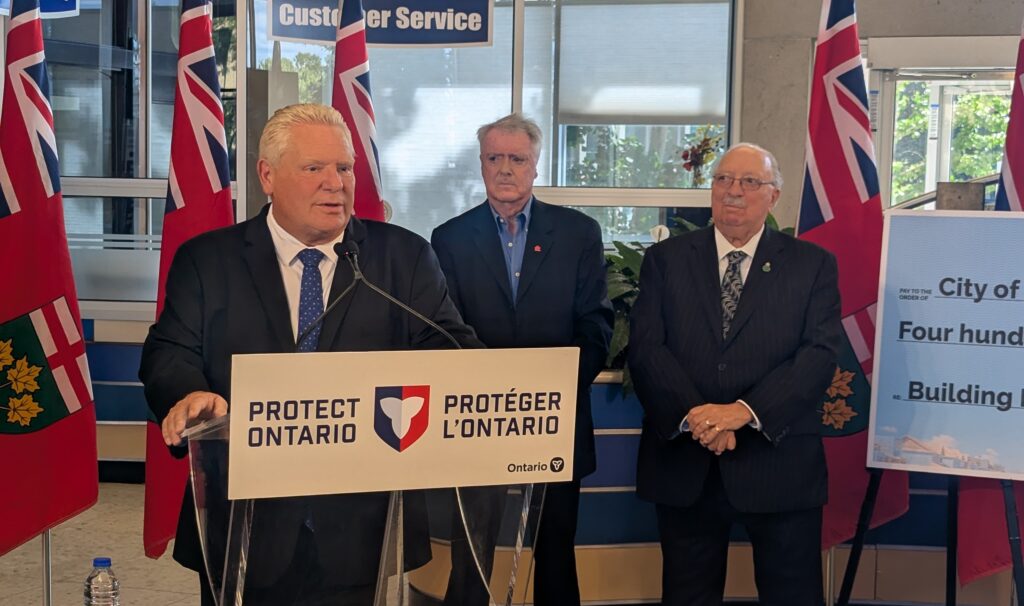
A $400,000 cheque may seem generous. But with the average Sarnia home costing $550,000, the gap between government gestures and the housing crisis is clear. Last week, Premier Doug Ford’s visit brought cameras, ministers, and a cheque recognizing Sarnia for exceeding its housing targets. While welcome, the gesture underscores a painful reality: the scale of the crisis far exceeds the scale of the response.
This isn’t to say the funding is worthless. It’s a bonus for a job well done, helping with planning, sewers, or water systems. But one-off cheques and photo ops are no substitute for a robust, long-term funding strategy directly linked to housing growth. Such a solution would provide municipalities with multi-year, reliable commitments, based on clear criteria and actual needs, so cities can plan infrastructure, staffing, and land development without financial guesswork. Municipalities need multi-year, predictable, substantial funding—not discretionary bonuses.
Consider a single municipal project. The visible repairs, like a building’s crumbling wall, a street resurfacing, a new park, are just the tangible costs. Beneath the surface lie sewers, water mains, electrical systems, and countless other infrastructure costs. A repair that may cost a few thousand dollars in labour can require tens of thousands more navigating approvals, compliance, and staffing. Most residents assume their dollars go to the visible repair because that’s all they see. But the hidden costs are real, substantial, and non-negotiable. Without predictable funding, municipalities stretch resources, compromise long-term planning, and operate with one hand tied.
Housing is complex. Zoning reform matters. Labour shortages and construction costs matter. These challenges can only be addressed if municipalities have the capacity—and certainty—to act. Land development requires stability that guarantees services for new subdivisions, not the promise of a bonus cheque down the road.
The pressures aren’t only local. Tariffs, inflation, supply chain disruptions, and rising energy costs drive construction prices up, and every delay ultimately hits homebuyers. Housing is not just a municipal challenge; it is provincial, federal, and international. Municipalities can act, but they cannot control these broader forces.
Quality construction also matters. Pulling back government oversight too far risks hurried, under-inspected homes, like the disastrous Holmes-type project builds we’ve seen. Safeguards are essential, but they must be streamlined to be fast enough to support growth and strong enough to protect buyers.
Then there are priorities. Instead of chasing multi-billion dollar pipe dreams on distant highways, Ford should focus on what matters now. The real crisis isn’t under a highway, it’s on our streets. Families are waiting, shelters are full, and too many people are left without a home. We need roads to stability, to affordable housing, to communities that thrive.
Ontario must cut red tape, fund municipalities predictably, and invest in meaningful solutions that last. Delaying action keeps homes unaffordable and families waiting.
It’s time to build homes, invest in communities, and provide real stability for those who need it most.
Mon, Oct 5 · 7:00 pm
St Andrew’s Presbyterian Church 261 Christina St N Sarnia, ON
Tue, Oct 6 · 5:30 pm
The Bridge Patisserie Café 12 Michigan Ave Point Edward Point Edward, ON
Tue, Oct 6 · 6:00 pm
Black Gold Brewery 395 Fletcher St Petrolia, ON
A division of Sarnia Media Group Inc.
Locally Owned and Operated
© 2026 The Sarnia Journal