
As the sun rose over the Sydenham River, a line of canoes slipped quietly into the water near Wallaceburg. The paddlers carried more than life jackets and water bottles, they carried a message: this river, this land, and this community are not for sale. The Paddle for Nibi ceremony, organized by Walpole Island First Nation […]
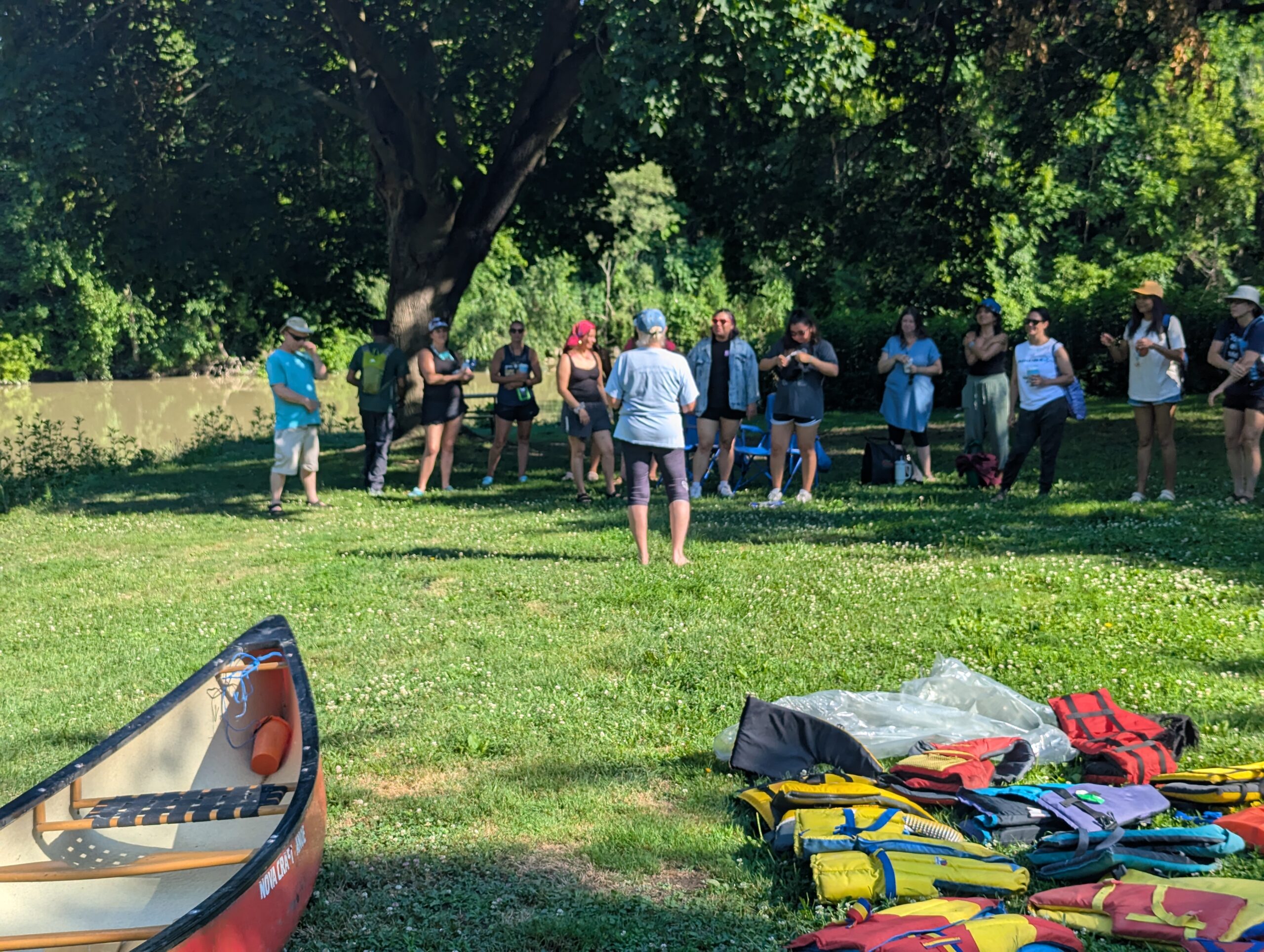
As the sun rose over the Sydenham River, a line of canoes slipped quietly into the water near Wallaceburg. The paddlers carried more than life jackets and water bottles, they carried a message: this river, this land, and this community are not for sale.
The Paddle for Nibi ceremony, organized by Walpole Island First Nation in partnership with local groups like Dresden C.A.R.E.D., was part water offering, part resistance, and part warning. It marked a growing protest against Bill 5, the Ford government’s recently passed law that gives sweeping powers to override Indigenous rights, environmental protections, and local governance in the name of Special Economic Zones.
“Good morning, everyone,” said Chief Leela Thomas, standing in front of a group of paddlers and supporters at the launch site. “Chief Leela Thomas from Walpole Island Territory. I’d like to say miigwech for everyone for coming today, and for Chloe and her family and Jasmine, Karen, and all the volunteers for putting this event on.”
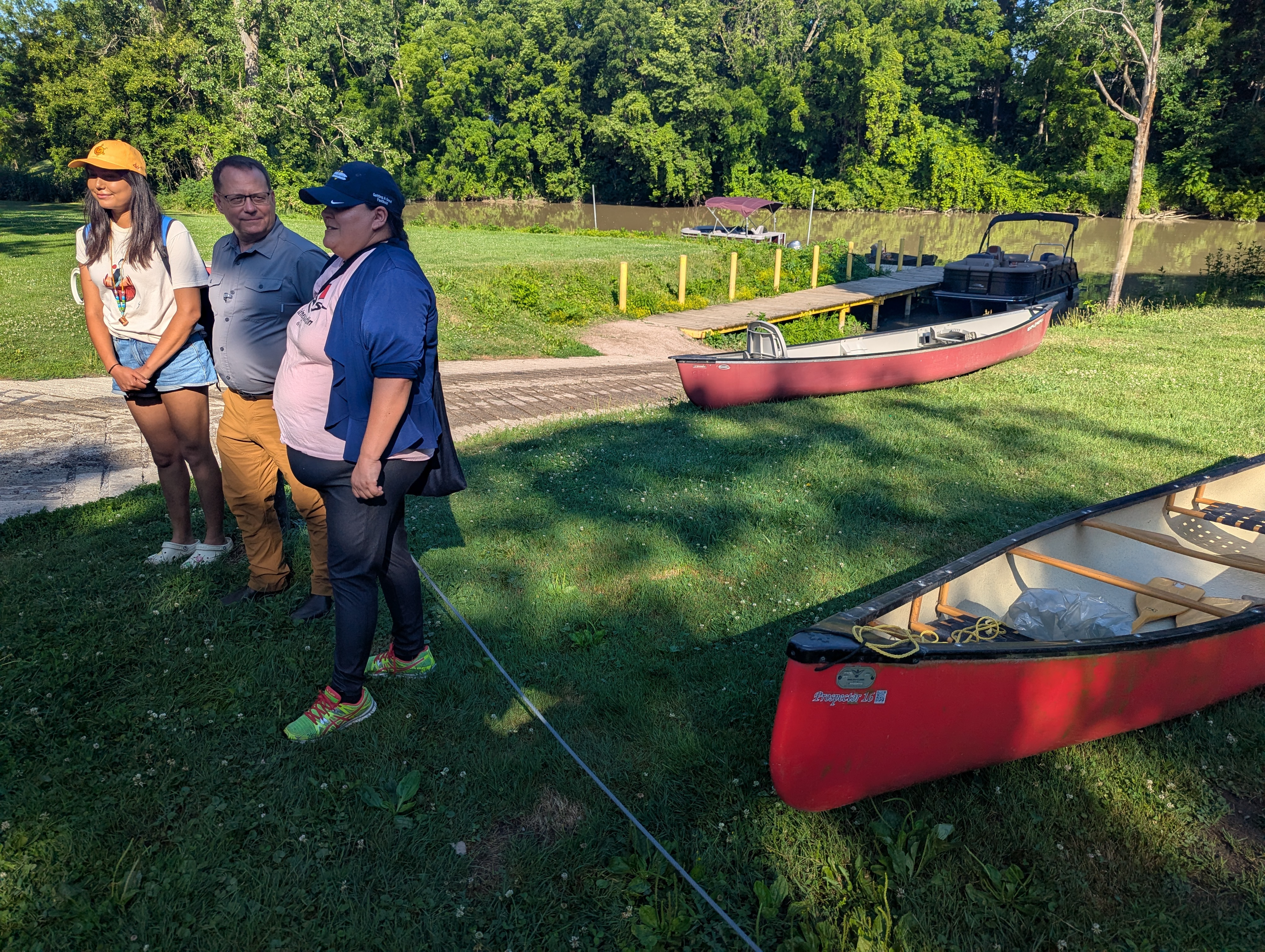
The tone was solemn but firm, as Thomas acknowledged the mix of ceremony and resistance.
“We’re happy to see both of our communities coming together for our shared cause and our concerns… I know we can be frustrated… just keep that in mind when we’re going down. Miigwech everyone.”
At the center of the concern is a dormant landfill site at 29831 Irish School Road, located less than a kilometre north of Dresden, where York1 Environmental Waste Solutions plans to develop a facility for construction and demolition waste. The site sits near Molly’s Creek and the Sydenham River—an area deeply tied to the surrounding communities’ drinking water, food systems, and cultural identity.
Local residents and Indigenous leaders warn that the project is moving forward without any environmental assessment, bypassing community input and Treaty obligations. “Who builds a dump where there’s a creek that runs into a river… that eventually makes its way into the Great Lakes?” asked one speaker. “Who does that? And who allows that to happen?”
The answer, for many at the riverbank, is embedded in Bill 5, a law that critics say grants unchecked development rights across Ontario. Opponents argue the Dresden site was deliberately chosen to avoid scrutiny. “We know York1 selected the site to get out of going through the more rigorous process that you would have to go through with a new landfill,” said one voice in the crowd.
Among those present was Ontario Green Party Leader Mike Schreiner, who joined the gathering with remarks in support of the protest. He called Bill 5 “an extraordinary and unprecedented power grab” and said Dresden had become “ground zero” for a much larger battle over environmental and democratic rights. While his speech drew applause, many attendees seemed more focused on the grassroots strength already present: the volunteers, water protectors, and youth organizers who brought the ceremony to life.
“This is far from being a done deal,” one speaker said, urging those gathered not to lose hope. They pointed to past public reversals—like Ford’s retreat from Greenbelt development after public backlash—as proof that coordinated action can change political outcomes.
After the speeches, organizers held a safety briefing before the paddlers set off down the river toward their final landing in Wallaceburg’s Civic Square Park. There was no shouting, no placards, no microphones—just water, silence, and presence.
—
This article was created with support from advanced editorial tools and reviewed by our team to ensure accuracy and fairness. Learn more.


