Oct5
Scottish Country Dancing
Mon, Oct 5 · 7:00 pm
St Andrew’s Presbyterian Church 261 Christina St N Sarnia, ON

Imagine a natural compound found in plants that may slow the aging process, protect your DNA, and even improve the health of your brain. That compound is Sulforaphane. It is […]
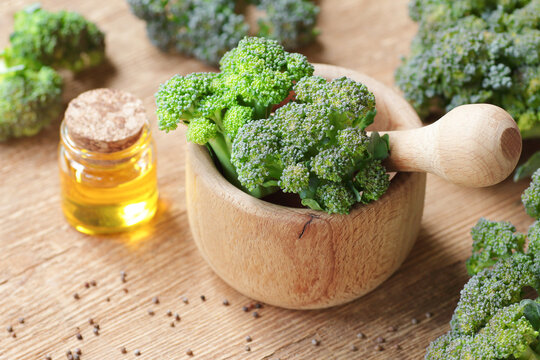
Imagine a natural compound found in plants that may slow the aging process, protect your DNA, and even improve the health of your brain.
That compound is Sulforaphane.
It is nothing new, yet scientists are just now understanding how beneficial this plant-sourced wonder is for us.
What is it? Where does it come from, and what are its benefits?
Without sounding too scientific, sulforaphane is a phytochemical, a sulfur compound found in cruciferous vegetables, like broccoli, cabbage, Brussels sprouts, and cauliflower. Phytochemicals are what plants produce for their own defense.
When cruciferous vegetables are damaged, that is, chewed, chopped, or cut, enzymes are released and sulforaphane is activated.
The compound is an effective antioxidant that helps fight inflammation. It helps repair oxidative damage caused by ‘free radicals’ in our environment. These annoying things are constantly out to destroy our cells. Sulforaphane also has enzymatic powers to aid in detoxification.
Not bad for a compound designed to be the plant’s best friend and healer.
The word cruciferous has its origins from the Latin word meaning “cross-bearing”. The plants have four petals, resembling a cross. Here are some examples of cruciferous vegetables: Broccoli, cabbage, brussel sprouts, kale, cauliflower, bok choy, mustard greens, collards, turnip greens, radish, watercress.
Sprouts, especially broccoli sprouts, are packed with more than twice as much sulforaphane (and enzymes) than the full-grown plant.
Eating these vegetables raw allows for the best release of sulforaphane. Steaming is arguably the best alternative method for preparing them. Overcooking any vegetable destroys the good things they have to offer.
To preserve the sulforaphane, and thus the antioxidant effects of cruciferous vegetables, try cooking them with turmeric or curry. You can enjoy casseroles, soups, and salads, and get the benefits of these foods.
Here is where sulforaphane shines. As well as being a strong antioxidant that can help reduce inflammation, studies have shown that this compound may help battle cancer and reduce the onset of the disease.
Sulforaphane may also help reduce the risk of heart disease by working its anti-inflammatory magic to unclog arteries. Sulforaphane, by controlling and maintaining healthy blood sugar levels, can help with Type 2 Diabetes. Its antibacterial properties can aid in good gut health, helping the digestive process.
Other benefits may include: repairs ultraviolet damage from the sun, slows the growth of tumors, helps liver function, assists with weight loss, and slows aging.
As a bonus, when you eat cruciferous vegetables, the sulforaphane helps with the absorption of Vitamins C and K, minerals like folate and potassium.
Sulforaphane is truly a gift from nature.
The season of locally grown vegetables will soon be upon us. Want to find fresh, delicious, nutrition-dense vegetables? Try these local businesses: Sarnia Farmer’s Market, Macklin’s Farm Produce, Zekveld’s Garden Market.
Mon, Oct 5 · 7:00 pm
St Andrew’s Presbyterian Church 261 Christina St N Sarnia, ON
Tue, Oct 6 · 5:30 pm
The Bridge Patisserie Café 12 Michigan Ave Point Edward Point Edward, ON
Tue, Oct 6 · 6:00 pm
Black Gold Brewery 395 Fletcher St Petrolia, ON
A division of Sarnia Media Group Inc.
Locally Owned and Operated
© 2026 The Sarnia Journal