



Oct18
Ellaween 2026
Sun, Oct 18 · 12:00 pm
Lochiel Kiwanis Community Centre 180 College Avenue North Sarnia, ON
Editor’s note: Sarnia’s Craig Hobin is a special contributor reporting from the Olympics in Brazil In Brazil, soccer is king.
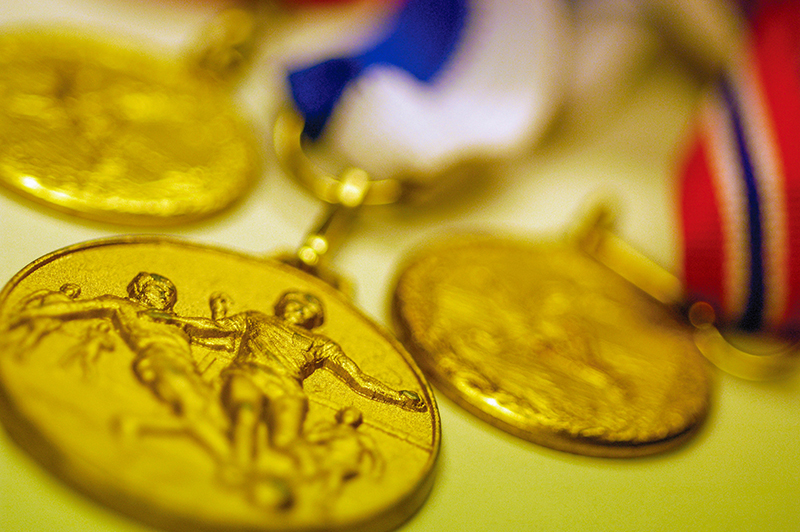
Editor’s note: Sarnia’s Craig Hobin is a special contributor reporting from the Olympics in Brazil
In Brazil, soccer is king.
From the dazzling days of Pelé to winning the most World Cups (five), as well as being the only country to qualify for every tournament, Brazil’s history with the sport is truly remarkable.
Save for some dismal results recently, including a particularly crucial loss to Germany in 2014 (that is not acceptable to discuss here in polite conversation), Brazilians take great pride in their splendid tradition with “the beautiful game.”
However, with the Olympics set to begin Friday, Brazil is hoping to showcase some of the diversity in its sporting culture.
There is much more to Brazilian athletics than soccer glory, and it’s on the beach where you can truly appreciate the essence of sport and fitness in this country.
Most days in Rio de Janeiro the black and white mosaic brickwork lining Avenida Atlântica bustles with physical activity. On this promenade, which runs parallel to Copacabana Beach, you can witness an impressive assortment of athleticism. Set beside of the scenic hills containing the iconic Christ the Redeemer statue, Brazilians of all ages can be found walking, jogging, rollerblading, biking, and even dancing up and down the beautiful boulevard.
Especially crowded are Sundays and holidays when the street, and those adjacent along Ipanema and Leblon beaches, shuts down to motorized traffic and opens up to pedestrians. This additional opportunity for physical activity not only works well in Rio – the concept has taken off throughout Latin America (beginning in Bogotá, Colombia in 1976). And the feats of fitness don’t stop at the boardwalk, but continue onto the sands along Brazil’s 7,491 kilometres of coastline.
Rio de Janeiro is the country’s largest coastal city and sports are ubiquitous on its beaches, especially soccer, volleyball, paddleball (“frescobol”) and “futevolei” (volleyball played without your arms or hands just like in soccer). Both “frescobol” and “futevolei” are found today on beaches around the world and are claimed by Rio residents as their own original creations.
Rio is one fit city. It’s no international secret that it’s home to some of the world’s most physically fine specimens, and their bodies didn’t get that way via plastic surgery (most of them, anyway).
However, it’s not all about vanity and simply looking good. This shared athleticism encourages both healthy lives as well as a greater sense of community. And the positive attitude Brazilians bring towards physical pursuits appears guided by the opening line of the Olympic motto: “The most important thing is not to win but to take part.”
Just take a look around the beaches of this year’s host city to see this in action.
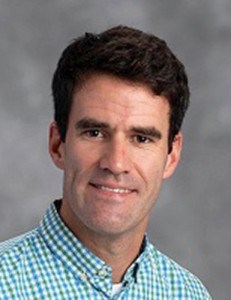
Craig Hobin is a St. Christopher grad teaching history and international relations at the American School of Brasilia.
Sun, Oct 18 · 12:00 pm
Lochiel Kiwanis Community Centre 180 College Avenue North Sarnia, ON
Sun, Oct 18 · 2:00 pm
Sarnia Public Library Theatre 124 Christina St. S. Sarnia, ON