
Most players plateau at mediocrity. They grind hours, lose matches, and wonder why top-tier players make it look effortless. The truth? Skill improvement isn’t about time invested. It’s about deliberate practice and strategic learning.
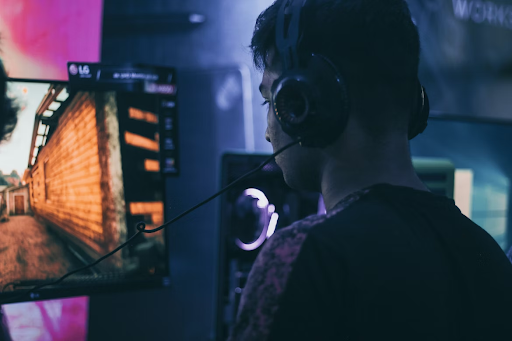
Most players plateau at mediocrity. They grind hours, lose matches, and wonder why top-tier players make it look effortless.
The truth? Skill improvement isn't about time invested. It's about deliberate practice and strategic learning.
After analyzing gameplay patterns across thousands of matches in titles like Call of Duty, Valorant, and Rainbow Six Siege, certain strategies consistently separate average players from dominant ones.
Here's what actually works.
You can't build advanced skills on a shaky foundation. Most multiplayer games throw you into matches before you understand core mechanics.
The best players revisit fundamentals constantly. They treat tutorials as warm-ups, not one-time checklists.
Interactive learning beats reading guides. Instead of watching hour-long YouTube breakdowns, spend 15 minutes in practice modes testing mechanics yourself. Shoot moving targets in firing ranges. Navigate maps without enemies. Learn grenade trajectories through repetition.
Games with strong onboarding—like Apex Legends' firing range or Valorant's practice tools—let you fail privately. Use them religiously.
The key is immediate feedback loops. You try something, see results instantly, adjust, and try again.
Here's a counterintuitive trick: play at speeds beyond your comfort zone.
Set up custom matches against easy AI opponents. Then increase game speed by 25-50% if the title allows it. Your brain will scramble initially.
After 20 minutes at accelerated pace, normal speed feels like slow motion. Your cursor movements become more precise. Interface navigation gets faster. Decision-making speeds up.
This works because your brain adapts to the increased demand. When you return to standard settings, everything clicks into place with less effort.
Professional players in competitive scenes use variations of this constantly. They'll warm up with faster sensitivity settings before tournaments, then dial back to their preferred config.
Sounds backwards, right? But some of your most valuable learning happens when you're getting destroyed.
Instead of raging after getting dominated by a specific strategy, ask why it worked. What tools did that player use? What positioning gave them advantage? How did their timing create openings?
Being on the receiving end teaches you offensive tactics.
Watch your death replays obsessively. Most competitive shooters include this feature for exactly this reason.
When you understand why you died, you know how to kill others the same way. Many players join communities like Battlelog to discuss these tactical breakdowns with experienced players who can explain advanced concepts.
Prioritize learning over winning for a week. Your rank might drop temporarily. Your understanding will skyrocket.
Grinding matches for hours builds bad habits as often as good ones. Targeted practice is exponentially more effective.
Take Valorant's agent lineups as an example. Spending 5 minutes learning precise smoke positions contributes more to rank climbing than playing three full matches.
Break skills into tiny components. Practice each one in isolation:
These micro-drills take minutes but compound dramatically. Ten minutes daily beats hours of unfocused gameplay.
The pattern works across all competitive multiplayer games. In battle royales, drop to the same hot zone repeatedly until looting becomes automatic. In tactical shooters, practice the same site execute until it's muscle memory.
Every multiplayer game has an economy system, whether obvious or subtle. Top players dominate these systems.
In real-time strategy games, there's a concept called ABV: Always Be Villagering. It means constantly producing resource gatherers so you're never supply-blocked.
This principle translates everywhere. In shooters, it's economy rounds and save strategies. In MOBAs, it's last-hitting and jungle camp timing. In battle royales, it's efficient looting patterns.
When you maximize resource gathering, opponents waste their resources fighting you. You're always ahead economically, which translates to better gear, more abilities, or superior positioning.
Study how professional players manage resources. They waste nothing. Every action has economic purpose.
Relying on one tactic is a recipe for stagnation. Versatility wins games.
In strategy games, this means producing multiple unit types simultaneously. In shooters, it means weapon variety and role flexibility.
Create multiple "production buildings" in your gameplay approach. If you main one agent or operator, have three backups you're competent with. If you favor one weapon class, become dangerous with at least two others.
This prevents opponents from hard-countering you. It also gives you options when your primary strategy gets shut down.
The best players never rely on a single approach. They adapt mid-match based on what opponents show.
Playing different sides teaches you enemy capabilities from the inside.
If you main attackers in Rainbow Six, spend a week defending. If you're a CSGO CT player, force yourself into T-side strategies. Battle royale players should rotate through different drop zones and playstyles.
Understanding both sides of any engagement gives you predictive power.
You'll anticipate enemy movements because you've made those same movements. You'll recognize setups because you've used them. You'll exploit weaknesses you experienced firsthand.
Lock in your preferred picks when necessary, but maintain flexibility. The meta shifts constantly. Players who can't adapt get left behind.
Treat your gameplay like a laboratory. Change one variable at a time, measure results, and iterate.
Testing random sensitivity changes simultaneously with new crosshairs and different positions creates confusing data. You won't know what worked or what hurt performance.
Instead, spend three days testing one new sensitivity setting. Track your accuracy stats. If they improve, keep it. If not, revert.
Then test a different variable—maybe keybinds or ability usage timing. This methodical approach reveals what actually improves your game versus what feels good but doesn't help.
Many players chase placebo improvements. Systematic testing eliminates guesswork and builds genuine skill.
Solo improvement has limits. Communities accelerate learning through shared knowledge.
Join Discord servers for your main game. Participate in forums where experienced players discuss strategy. Watch educational content from coaches, not just highlight reels.
The collective wisdom of dedicated communities surfaces tactics you'd never discover alone. Players share optimal settings, practice routines, and meta counters that save you hundreds of hours of trial and error.
Some communities focus on specific aspects—aim training, game sense development, or competitive analysis. Find ones that match your improvement goals.
Motivation dies without visible progress. Design your own progression system if the game doesn't provide one.
Set small, achievable goals with clear milestones. Track headshot percentages weekly. Monitor your average placement in matches. Count successful clutches or objective plays.
These mini-achievements maintain momentum better than distant rank goals. They provide frequent wins that fuel continued practice.
Many top players keep detailed statistics spreadsheets. They know exactly where they've improved and where they're stuck. This clarity prevents aimless grinding.
None of these strategies work overnight. But implemented consistently, they create exponential improvement.
Thirty minutes of focused practice daily outperforms occasional marathon sessions. Your brain needs time to consolidate learning through sleep and rest.
The players who dominate multiplayer games aren't always the most talented. They're the most systematic in their improvement approach.
Start with one or two strategies from this list. Build them into habits before adding more. Small, consistent actions compound into skill levels that look like natural talent.
That's how you actually get better at multiplayer games.


