
Canada changed a lot after the 2018 Cannabis Act. What used to be a hidden market is now a large legal industry. This change is more than just new laws. People now see using cannabis as normal.
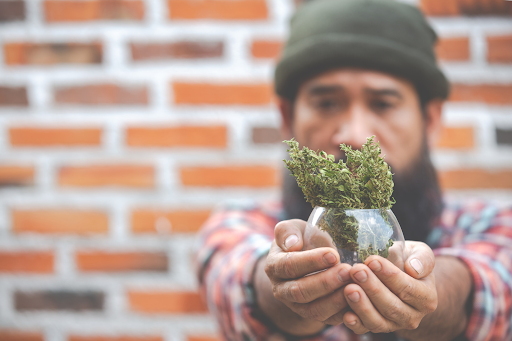
Canada changed a lot after the 2018 Cannabis Act. What used to be a hidden market is now a large legal industry. This change is more than just new laws. People now see using cannabis as normal. It is part of many health routines and has created a professional shopping environment.
Across the country, from BC to Ontario, old ideas about weed are gone. All kinds of people use it now. This includes professionals who want to relax and older adults who need help sleeping. Now that the market is older, buyers care more about quality and specific plant details rather than just how strong it is.
This guide looks at five main parts of the current Canadian cannabis scene. It focuses on the facts and local information that readers expect today.
The biggest change in Canada is the variety of people who buy cannabis. After it became legal, the old "stoner" image changed. Now, many people who never used it before are trying it for specific health or practical reasons. Because of this, companies now focus more on teaching customers than on basic advertising.
Legalization also changed how cities look. Cannabis shops often look like modern boutiques or clean pharmacies. They have simple designs and staff who can explain different products and how to use them. People now feel comfortable buying items like low-dose edibles or a high-quality bong for use at home. The old negative view of these products is mostly gone.
This change is also seen in social settings. Some people now host cannabis-themed dinners instead of wine tastings. By treating it like craft beer or wine, Canadians are changing how the substance fits into daily social life.
Recreational use is often in the news, but the use of cannabis for health and wellness is very common in Canada. People no longer see it only as something to get high. It is now often grouped with other health supplements like CBD oil or ashwagandha.
This focus on wellness has increased the need for clear information. Buyers now check for lab reports, organic certificates, and exact cannabinoid levels. No longer do people just want to know how strong something is. They want to know how it can make their everyday lives better.
After the first few years of legal sales, Canadian buyers became more selective. The market is moving away from large corporations toward smaller craft growers. This is similar to how craft breweries became popular in the Canadian drink industry years ago.
A small group of growers makes a small amount of weed. A lot of the time, they do things by hand, like cutting by hand and drying slowly. These growers care more about how the whole plant's chemicals work than just how much THC it has.
Serious buyers care about where the plant comes from. They want details about the soil, water, and how the farm is run. Many people now prefer to buy from local sources. Supporting a local grower in Ontario or BC is now common, which helps keep small businesses active in the industry.
The landscape is changing because of how Canadians use cannabis, not just what they buy. New technology has made the experience cleaner and more exact. These new methods are also more private than older ways.
With the help of new tech, more people can try weed. People who don't want to smoke can now go to a party and drink water with cannabis in it. This makes the exercise more popular and easy for everyone to do.
People in Canada who use weed want companies to care more about the environment as the industry grows. To begin with, many people didn't like how safety rules made people use too much plastic and products that couldn't be recycled.
The business world is becoming more eco-friendly in some ways these days:
The focus on ethics shows that the business world is shifting its attention from short-term gains to long-term duty. People now buy brands that share their values about a fair society and the earth.
Adults can bring up to 30 grams of legal dried cannabis with them when they go from one state to another. It is against the law to bring any weed across the border into another country. This includes going to the US, even in places where it's allowed to do so.
In Canada, legal products must have a certain red THC sign and a health warning. These are only sold in shops that follow the rules set by each province. A government tax stamp will be on every legal package as well.
The part of the weed that makes you feel high is called THC. You won't get high from CBD. CBD can help with things like nervousness or pain without giving people the high that THC does.
Federal law says that each Canadian family can grow four plants for their own use. But the rules are different in each state. Quebec and Manitoba have, in the past, made it illegal to grow plants at home. Before you start planting, you should always check the rules in your area.
To keep weed fresh, keep it in a cool, dark place in a glass jar that won't let air in. Over time, light, heat, and air can hurt the quality of the item. To keep the humidity at the right amount, a lot of people also use humidity packs.


