
The low rate of criminal charges resulting from the city’s shopping cart recovery initiative suggests that the issue is a matter of logistics rather than a task for law enforcement.
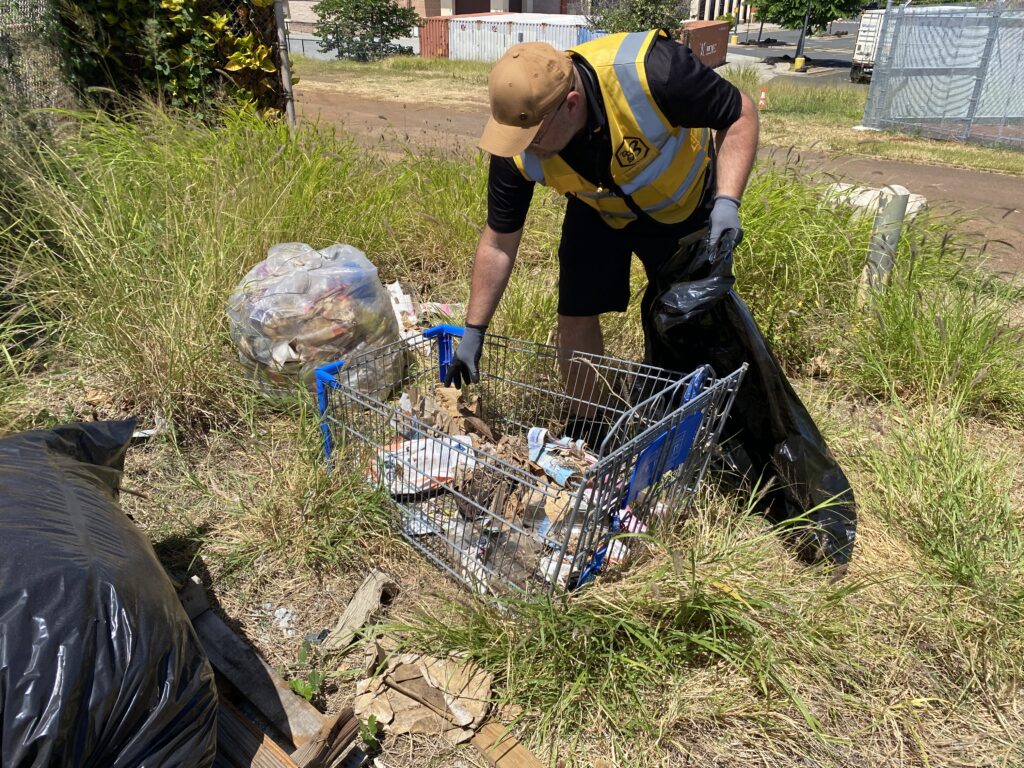
Since 2024, Sarnia police have recovered more than 80 abandoned shopping carts across the city. The initiative was built around education, warnings, and enforcement. It was framed as a response to retail losses and urban disorder.
And after all of that effort, two criminal charges have been laid.
Two.
At some point, you have to ask a basic question. Why are police doing this work at all?
This is not a policing problem. It’s a logistics problem.
Retailers are losing carts. Carts are ending up scattered across neighbourhoods. They need to be collected and returned. That’s it. There is nothing about that task that requires a sworn officer, let alone one earning a six-figure salary funded by taxpayers.
Right now, we have police officers who are highly trained, and highly paid, spending time locating, documenting, and returning grocery carts. Time that could be spent on actual crime, community safety, or investigations.
Instead, we’ve built a system where the response to a misplaced shopping cart is a police file.
There’s a far more practical solution sitting right in front of us.
Outsource it.
This is the kind of work that could be handled by a small, local contractor or even a single operator with a truck. A “cart recovery” service could be hired through a simple agreement with retailers or coordinated at the municipal level. Pick up the carts. Return them. Done.
No warnings. No reports. No police involvement.
It would cost a fraction of what is currently being spent in officer time, and it would likely be more efficient. In fact, it could create a small local business opportunity while solving the problem directly.
Other cities have already moved toward private or retailer-managed cart retrieval systems. It’s not a new idea. It’s just a practical one.
And it raises a larger issue.
When police are tasked with solving every visible problem in a city, from abandoned property to social disorder, we blur the line between what requires enforcement and what simply requires management.
Not everything needs a badge.
Sarnia taxpayers are funding a police service to respond to crime and keep people safe. That expectation should come with a level of discipline about how those resources are used.
Because when officers are picking up grocery carts, it’s fair to ask what they’re not doing instead.
This isn’t about criticizing the work being done. Carts need to be returned. It’s about questioning whether it should have been assigned there in the first place.
Two charges in over a year tells the story clearly.
We don’t need a police initiative.
We need a pickup service.
About the author: Robynne Hay is a Sarnia-based writer and registered nurse with a background in political science whose writing focuses on local governance, public policy, and community issues.
The views expressed in this column are those of the author.


