Oct5
Scottish Country Dancing
Mon, Oct 5 · 7:00 pm
St Andrew’s Presbyterian Church 261 Christina St N Sarnia, ON

The Sarnia Police Service Board is not elected. Its members are selected through three different processes: municipal appointment, provincial appointment, and a public application. Those processes determine who is responsible for overseeing policing in the city, including budgets, priorities, and long-term planning.
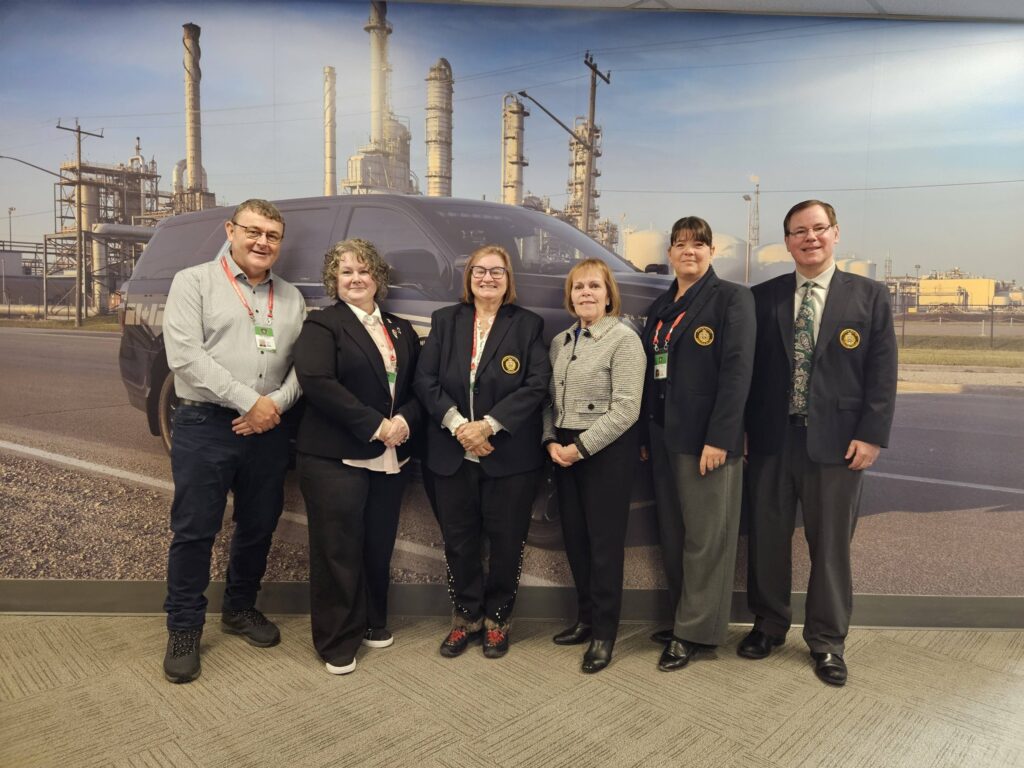
The Sarnia Police Service Board plays a central role in how policing operates in the city. It approves the police budget, hires and evaluates the chief of police, and sets priorities that guide how the service operates. It is also responsible for assessing long-term needs, including staffing levels, technology, and facilities, before those decisions move forward to council for funding.
But unlike council, the board is not elected. Its members arrive there through a set of appointment processes that operate separately from one another and follow different rules.
At the municipal level, members are appointed directly by city council. This typically happens at the beginning of a new council term or when a vacancy arises. The city prepares a list of boards and committees requiring appointments, including the police service board, and council then selects its representatives.
In practice, these positions are filled from among sitting councillors. Nominations can be made by councillors themselves or by their colleagues. There is no public application process for these seats. Once nominations are put forward, council votes during a public meeting, and the successful nominees are formally appointed. The process is recorded in council minutes, but it does not involve a formal interview stage or a standardized set of qualifications beyond eligibility to serve as a councillor.
On the current board, Anne Marie Gillis and Chrissy McRoberts serve through this council appointment process.
A separate process exists at the provincial level. The Province of Ontario appoints members to municipal police boards independently of the city. These positions are typically posted through the province’s public appointments system, where individuals can apply by submitting a résumé and background information.
Applicants must meet basic eligibility requirements set out in legislation, including age and citizenship requirements, and cannot be serving police officers. The province may conduct background checks and internal screening, and in some cases interviews are part of the process, although the details are not always publicly documented.
Final selections are made by the provincial government and formalized through an Order in Council. The municipality is notified once the appointment is complete, but the selection itself is not voted on locally.
In Sarnia, Kelly Ash and currently sits on the board as a provincial appointee. The second seat is Vacant.
A third pathway exists through a public recruitment process for a community representative. When this position becomes vacant, the City of Sarnia posts a public notice inviting applications. The posting outlines the responsibilities of the role, the term length, and the eligibility requirements.
Interested applicants submit materials such as a résumé and, in some cases, a statement of interest. Applicants must meet criteria similar to those used at the provincial level, including restrictions on current police employment and certain criminal convictions.
Applications are reviewed by city staff or a selection group, and a shortlist may be developed. Interviews can be part of the process, although the details are not always publicly described in full. A recommended candidate is then brought forward to council, which votes to make the final appointment.
Jerry Bernardo currently serves on the board as the community representative selected through this process.
These three appointment pathways, municipal, provincial, and public application, operate independently. They involve different entry points, different decision-makers, and different levels of visibility. Council directly selects some members, the province selects others, and one position is filled through a process that begins with a public application but concludes with a council vote.
Together, these processes determine the full composition of the board.
Once appointed, board members take on a governance role defined under provincial legislation. They are responsible for ensuring the police service provides “adequate and effective policing” in the community. That responsibility does not involve directing day-to-day operations, which remain under the authority of the chief, but it does include oversight of how the service is run at a structural level.
The board establishes strategic priorities and policies that guide the police service. It reviews and approves the annual budget before it is forwarded to city council. It hires the chief of police, evaluates performance, and has the authority to discipline or dismiss the chief if necessary. It also receives regular reports from the service on operations, performance, and emerging issues, which it uses to assess whether policing needs are being met.
Major decisions about staffing levels, equipment, technology, and facilities are also reviewed at the board level. That includes evaluating whether proposed changes are justified and consistent with the service’s responsibilities. Those determinations shape what is ultimately presented to council, which then decides how those decisions will be funded.
Board members serve fixed terms and continue in their roles until their term expires or a replacement is appointed through one of the three pathways.
Understanding how members are selected is part of understanding how that oversight is structured. Because the people appointed through these processes are the ones responsible for overseeing policing in the city, setting its direction, and determining what it requires.
Editorial Note: An earlier version of this article misstated the composition of the Sarnia Police Service Board.
Joan Knight is not a board member; she serves as Board Secretary. The community representative appointed by the municipality is Jerry Bernardo. The second provincial appointee position is currently vacant.
The article has been updated to reflect these corrections.
Mon, Oct 5 · 7:00 pm
St Andrew’s Presbyterian Church 261 Christina St N Sarnia, ON
Tue, Oct 6 · 5:30 pm
The Bridge Patisserie Café 12 Michigan Ave Point Edward Point Edward, ON
Tue, Oct 6 · 6:00 pm
Black Gold Brewery 395 Fletcher St Petrolia, ON