Oct5
Scottish Country Dancing
Mon, Oct 5 · 7:00 pm
St Andrew’s Presbyterian Church 261 Christina St N Sarnia, ON

Listening to the waves at Canatara or the hum of the Bluewater Bridge can provide more than just a local backdrop for Sarnia–Lambton residents. This column explores how these familiar area sounds serve as therapeutic triggers for Autonomous Sensory Meridian Response to help manage stress and anxiety.
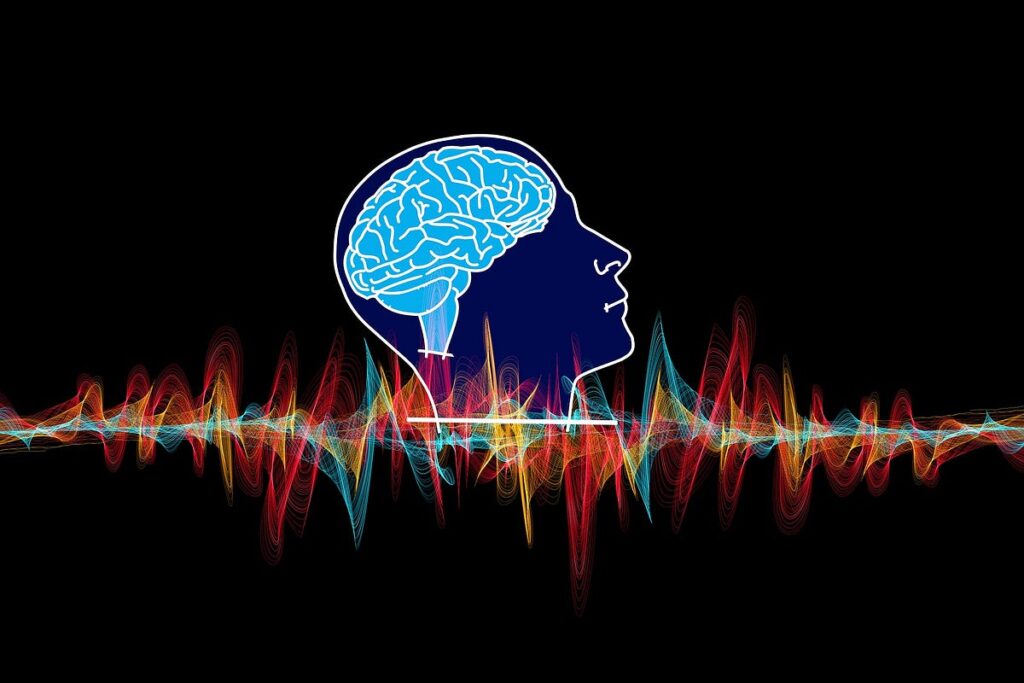
Waves washing softly over Canatara’s beach. A constant wind rustling leaves and tall grasses in the dunes. The persistent hush of traffic on the Bluewater Bridge heard from the ground below. The quiet rattle of the morning trains in Sarnia’s south end.
These familiar sounds can, for some people, be triggers for ASMR: Autonomous Sensory Meridian Response. By definition, this is that tingling sensation that begins on the scalp and moves down the back of the neck and upper spine. Triggered by auditory stimuli. It is sometimes called paresthesia, which is a sensation of the skin, like tingling, pricking, numbness. The opposite, a hatred of sound, is misophonia.
Autonomous means spontaneous. Sensory refers to the senses. Meridian is a peak or climax. Response means an experience triggered by something external.
The drip of rain water through an eavestrough. The purring/snoring of a kitten. The ticking of a clock.
People with symptoms of insomnia, depression, anxiety, stress, panic attacks, found that listening to ‘trigger sounds’ that induce ASMR, helps them. Wearing Earbuds in bed to listen to ambient sounds, or soothing repetitive sounds of nature, is an example.
Tests show that ASMR is associated with personality traits. If a person is more open to experience rather than someone who experiences neuroticisms, they are more receptive to ASMR triggers.
The number of trigger types is infinite. The basic ones are: Audio, Visual, Tactile, Role Play (watching a video of someone watching you and touching the camera, speaking to you in whispers), Eating (watching someone eat and paying attention to chewing, swallowing sounds: Mukbang), and Crushing (the sound of things being crushed, crumpled, squished, like paper, bubble wrap, kinetic sand, slime).
Soft whispering. The clicking of computer keyboard keys. The cracking, popping of firewood burning.
There seems to be a need for ASMR stimuli. On YouTube, there are over 25 million videos designed to induce it. I watched one of a woman tapping, scratching, squeezing, crushing a variety of objects: glassware, tea bags, paper, hollowed-out pieces of wood with ribbed edges, a plastic bottle and its cap and label, pouring water into a cup. She then went on to make sounds with her mouth: clicking her teeth together, making wet tongue sounds, cracking her jaw bone.
There is even music referred to as “whisperpop”, which has been known to be an ASMR trigger. The music of Billie Eilish is an example – for her soft, whispering voice. As well as Pink Floyd and Yosi Horikawa. You have heard the expression, “that singer’s voice can put me to sleep.” That’s a trigger.
Most of us enjoy the sound of a light rain falling, a baby gurgling and murmuring in his or her sleep, the gentle rumbling of distant thunder, and the list can go on.
We know now why our brains and bodies are telling us why we like these sounds. It is therapeutic. We are healing ourselves through a kind of personal therapy. A simple pleasure for a simple fix. If only we would stop and listen to the waves.
Mon, Oct 5 · 7:00 pm
St Andrew’s Presbyterian Church 261 Christina St N Sarnia, ON
Tue, Oct 6 · 5:30 pm
The Bridge Patisserie Café 12 Michigan Ave Point Edward Point Edward, ON
Tue, Oct 6 · 6:00 pm
Black Gold Brewery 395 Fletcher St Petrolia, ON
A division of Sarnia Media Group Inc.
Locally Owned and Operated
© 2026 The Sarnia Journal