How Faster Digital Payments Are Changing Consumer Expectations in Ontario
A payment used to feel like a small chore. You waited for the terminal, you fumbled a card, you watched the wheel spin, and you carried the pause in your body like a tiny tax.
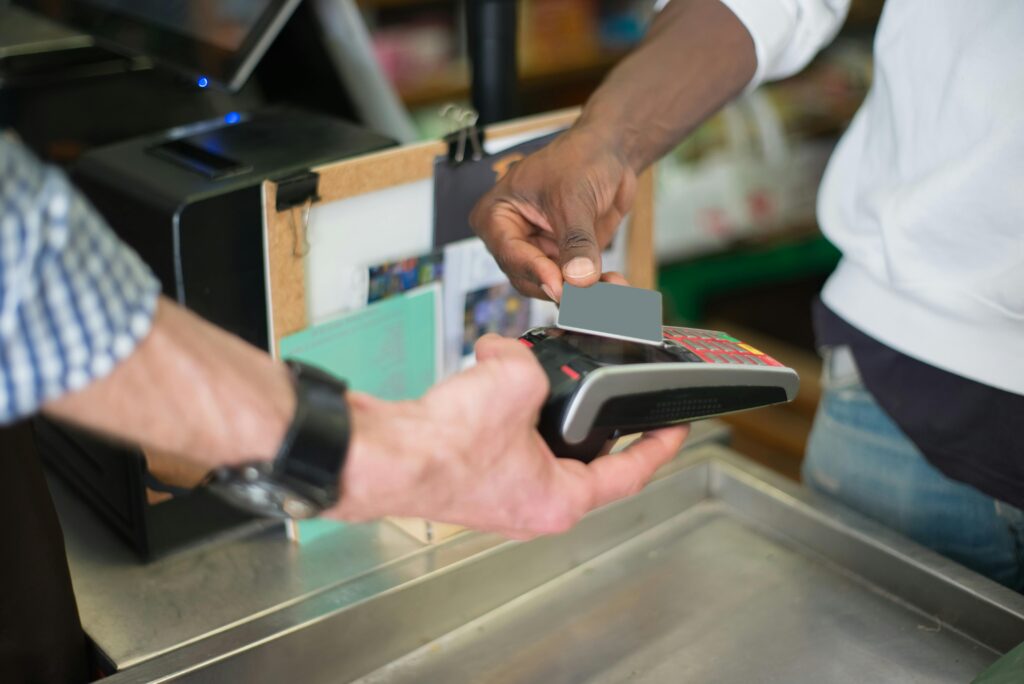
A payment used to feel like a small chore. You waited for the terminal, you fumbled a card, you watched the wheel spin, and you carried the pause in your body like a tiny tax. Now you tap and the moment disappears, which sounds trivial until you notice how quickly you start expecting everything else to move at that pace.
This piece looks at what faster digital payments are doing to expectations across Ontario, from grocery lines to gig work to online entertainment. You will see the numbers behind the shift, the habits that follow, and the ways businesses end up redesigning service around speed, clarity, and mobile-first flow.
Speed sets the baseline
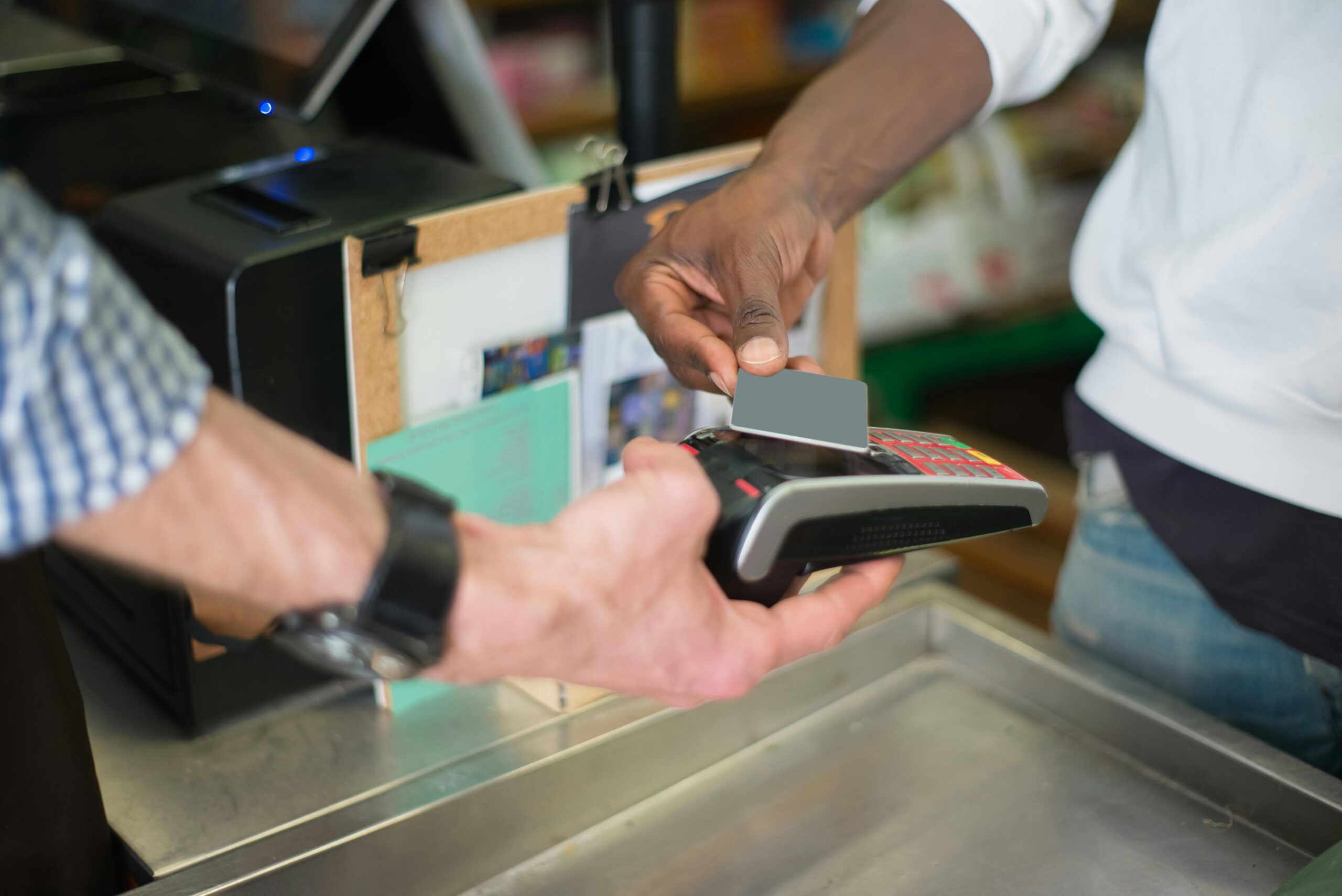
Ontario lives inside a Canada-wide surge in digital payments that has started to feel normal. Payments Canada reported that digital payments represented 86% of total payment volume and 77% of total payment value in 2024, with contactless accounting for 58% of transactions. When tap becomes the default, people stop treating “instant” as a feature and start treating it as table stakes.
That expectation spills into online payouts as well, especially where entertainment and cash-outs meet. Casino.org runs guides that rank payment speed and methods, and their list of Canada’s quickest paying casinos frames fast withdrawals as a core selection factor, with Realz, DudeSpin and Wyns popular with many Canadian players. The language feels like consumer tech coverage because it effectively is, since speed reads as quality on a phone screen.
Interac e-Transfer growth gives the clearest signal that “send now” has become a habit rather than a novelty. Payments Canada’s Canadian Payment Methods and Trends report says Interac e-Transfer volume increased to 1.4 billion transactions in 2024, up 17% year over year. A tool people use that often starts to shape how they judge every other transfer, even when the rails differ.
People often talk about Toronto first, yet smaller Ontario cities feel payment friction sharply because daily life stacks errands tightly. Sarnia residents who juggle work, school pickups, and a quick run to the shops tend to value anything that clears fast, because the day runs on short gaps. Tap, e-Transfer, and quick refunds fit that rhythm better than anything that makes you wait for a ledger to update.
E-commerce adds its own pressure, since it trains you to expect clean receipts and quick confirmations. Payments Canada reported e-commerce transactions totalled $77 billion in 2024, representing 6% of retail sales. When you get used to buying online with instant confirmation, you start expecting the same clarity at a local counter and the same speed on refunds.
What people accept is changing, and merchants adapt
Consumers drive part of the change, yet merchant acceptance data shows the supply side moving too. The Bank of Canada’s Merchant Acceptance Survey reports 89% of merchants accept debit and 89% accept credit, and it reports acceptance of Interac e-Transfer at 63% and mobile payment apps at 49%. Those numbers matter because they show more merchants treating direct account-to-account style transfers as a normal option at the point of sale.
Faster payments also shift what people tolerate when something goes wrong. A card charge that takes days to reverse can feel like a glitch rather than a process, because the purchase itself took a second. That is why many businesses now put more effort into clear receipts, instant notifications, and status updates, since people judge service through information flow as much as money flow.
The Bank of Canada’s Methods-of-Payment Survey adds texture on how “tap first” the country has become. The 2023 report says over 70% of debit payments in 2023 were contactless, up from 63% in 2021 and 2022. When most debit purchases happen through a tap gesture, people start expecting checkout to feel like a single motion rather than a mini transaction.
Valentine’s Day shows how speed becomes a social expectation
Valentine’s Day turns payments into choreography. You buy flowers, you split dinner, you tip, you send someone money for a gift, and you do it all while trying to look relaxed. A fast e-Transfer and a clean confirmation message protect the vibe, because nobody wants to hover over a terminal while a restaurant playlist tries to do the romance work alone.
This is where real-time expectations shift from convenience to manners. People expect quick payment links, quick transfers, and quick confirmation because it keeps plans moving and spares awkward pauses. Payments Canada’s consumer research summary for the same trends report says 49% of people find real-time payments appealing, which helps explain why instant experiences feel like the direction of travel rather than a niche preference.
You can also see how speed changes behaviour around budgeting and splitting costs. People who used to “settle up later” now send money mid-conversation, which reduces mental accounting and keeps group plans smoother. That habit turns into pressure on any service that still forces a waiting period, because the comparison point sits in your recent messages and banking alerts.
If you want the practical takeaways, focus on the parts that speed up your life rather than the parts that hype new tech. These habits usually help:
- You set up AutoDeposit for Interac e-Transfer, since it removes the “security question” step and speeds completion for routine transfers.
- You keep payment methods updated in your apps, since expired cards and stale details create avoidable delays at checkout.
- You save digital receipts, since fast refunds and dispute handling often depend on quick proof rather than long explanations.
- You treat payout speed as a product feature, since the time between “request” and “received” shapes trust more than most people admit.
The new standard is instant, clear, and mobile
Ontario consumers increasingly judge a business by how fast it confirms, how clearly it explains, and how smoothly it settles. Payments Canada’s headline numbers on contactless share and digital volume show the baseline has already shifted, which means expectations will keep rising even if underlying settlement systems vary. Speed pulls the whole experience forward, from checkout to support to payouts.
The upside is simple. Faster payments reduce friction, reduce time spent chasing updates, and give people more control over timing.