Oct5
Scottish Country Dancing
Mon, Oct 5 · 7:00 pm
St Andrew’s Presbyterian Church 261 Christina St N Sarnia, ON

For the month of December the sales-to-new-listings ratio landed at 72% which is high relative to other months this year but is mainly a result of the fact that there were not a lot of transactions as just 74 properties changed hands.
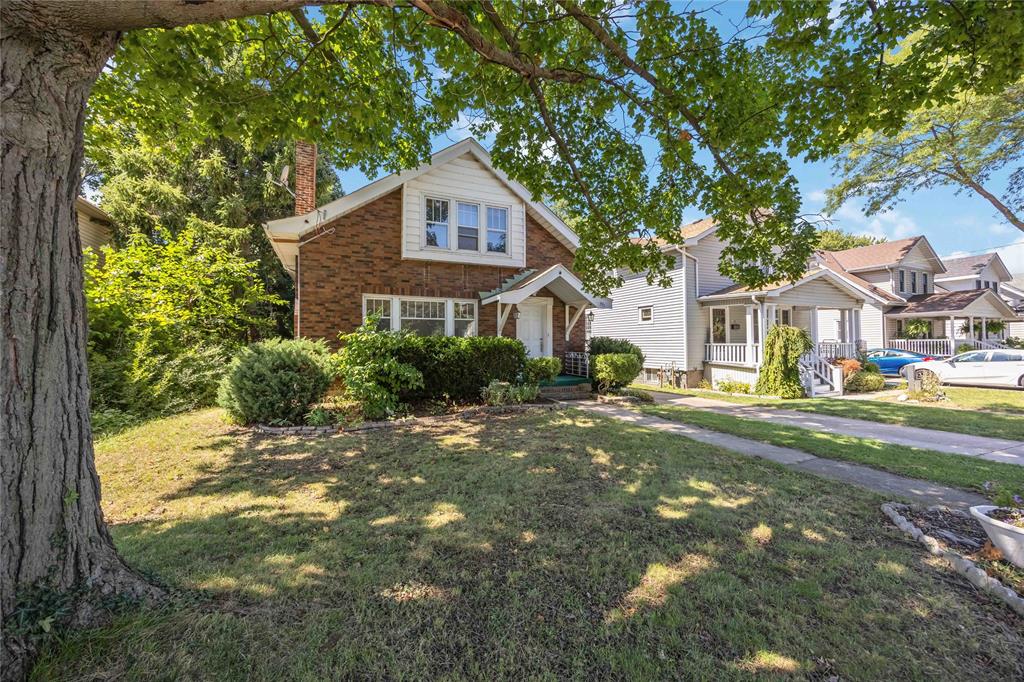
For the month of December the sales-to-new-listings ratio landed at 72% which is high relative to other months this year but is mainly a result of the fact that there were not a lot of transactions as just 74 properties changed hands. Homes already on the market took longer to move, averaging 46 days before finding a buyer.
Inventory sits at 5.6 months, which is the highest we've seen in over a decade. Finally, homes that did sell were on average 4.9% under asking price which is also the highest December discount we've seen in quite some time. The average price for the year ended at $525,416 which is essentially unchanged from 2024.
I hear it all the time from both sides: Buyers think that when rates fall they'll feel better about putting in that offer. Sellers think when rates fall there will be more buyers and they'll get a better price on their home. The truth, as always, is somewhere in the middle.
With interest rates in Canada expected to stay near current levels for the foreseeable future, many buyers and sellers assume housing prices will automatically rise. In large, supply-constrained cities, that logic sometimes holds. But Sarnia is not Toronto or Vancouver and local market fundamentals tell a very different story.
In Sarnia, lower interest rates alone are unlikely to significantly increase home prices, because inventory levels, population trends, and buyer demand simply don't support rapid price growth. Understanding this helps buyers and sellers make smarter, more personal decisions rather than reacting to headlines.
One of the biggest drivers of rising home prices is a lack of supply. In Sarnia, however, housing inventory remains relatively stable. New listings continue to come to market at a steady pace. There is no severe land shortage limiting future development, and new builds aren't flying off the shelf.
Sellers often compete on price, not buyers. Even if interest rates fall, prices won't surge without a meaningful inventory squeeze, and Sarnia has historically avoided the chronic undersupply seen in major urban centres.
Lower interest rates only push prices up when there is strong, growing demand. In Sarnia:
While rate cuts may help some buyers qualify for mortgages, they won't suddenly create a flood of new buyers. Without a sharp increase in demand, prices tend to remain stable.
Unlike overheated markets where people buy primarily for appreciation, most Sarnia real estate decisions are lifestyle-based:
Because buyers and sellers aren't driven by short-term gains, market psychology stays grounded. This keeps price swings muted even when interest rates change.
Interest rate cuts may improve affordability, but they do not guarantee higher home prices in Sarnia. Local supply and demand matter far more than national narratives.
For buyers: If a home fits your budget and lifestyle, waiting for "the perfect rate" may not meaningfully change outcomes.
For sellers: Pricing should reflect local comparables and buyer realities, not expectations borrowed from big-city markets.
In Sarnia, real estate success comes from making decisions that align with your personal goals, not from trying to time the market. Stability, not speculation, is what defines this community's housing market.
For follow-up comments or questions, please contact Chris Lewis.
The views and opinions expressed in this article are solely those of the author and do not necessarily reflect the views or positions of any agency, brokerage, or organization with which the author is affiliated. This content is provided for informational purposes only and should not be considered financial or legal advice.
Mon, Oct 5 · 7:00 pm
St Andrew’s Presbyterian Church 261 Christina St N Sarnia, ON
Tue, Oct 6 · 5:30 pm
The Bridge Patisserie Café 12 Michigan Ave Point Edward Point Edward, ON
Tue, Oct 6 · 6:00 pm
Black Gold Brewery 395 Fletcher St Petrolia, ON
A division of Sarnia Media Group Inc.
Locally Owned and Operated
© 2026 The Sarnia Journal