





Oct23
Anonymous donations allow Sarnia food banks to reopen, but deeper crisis remains
Anonymous donations have allowed The Inn of the Good Shepherd and Salvation Army food banks to fully reopen after recent restrictions, offering relief while highlighting how deeply Sarnia now relies on food banks to meet basic needs.
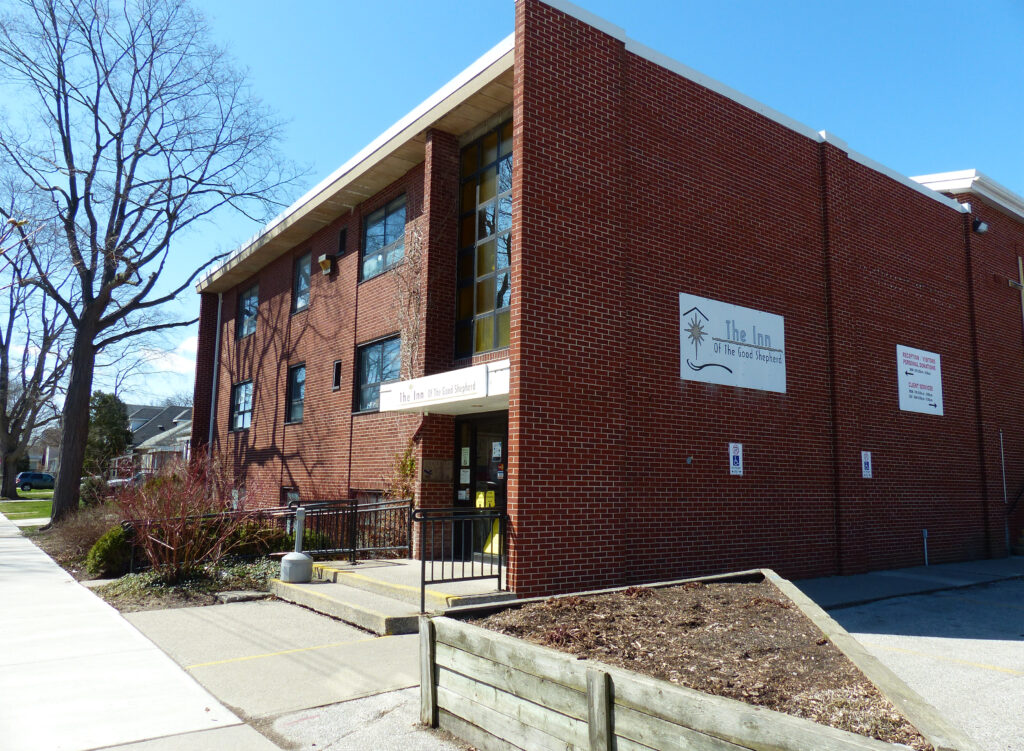
Two of Sarnia-Lambton’s largest food banks are fully reopening after anonymous donations provided a sudden boost to programs that had recently been forced to limit service.
The Salvation Army Sarnia Community and Family Services announced Thursday it had received a $100,000 anonymous donation, which it said would allow its food bank to operate for the remainder of the year and beyond.
The Inn of the Good Shepherd also announced it had received an extraordinarily generous anonymous donation, allowing it to remove the 40-household daily cap recently put in place at its food bank.
The donations bring immediate relief to two organizations that have been under growing pressure as more residents struggle with the cost of food, rent and other necessities.
At The Inn, the daily cap had been introduced in May after donations declined and demand continued to rise. The organization said the limit was meant to ensure households being served could still receive a proper amount of food, rather than leaving later arrivals with little on the shelves.
The Inn has said its food bank serves about 2,200 people each month. The 40-household daily cap showed how severe the pressure had become: even if operating every day, the limit would allow about 1,200 household visits in a 30-day month, below the level of monthly need the organization has reported.
The Salvation Army’s Confederation Street food bank had also recently closed temporarily because of low stock and a need to reorganize its space. At the time, officials said about 75 per cent of the shelves were close to bare, with serious shortages of canned meat, canned pasta, soup, canned vegetables and cereal. It was the first time in seven years the local food bank had temporarily closed.
The recent support follows other community efforts to help meet local demand, including a Legion Catch the Ace food drive that brought in 6,100 pounds of food for local food bank supports.
The anonymous donations now offer a short-term stabilization point. But they also highlight a larger question: how did emergency food charity become one of the basic systems keeping thousands of people fed?
Food banks were not supposed to become permanent infrastructure.
Canada’s first food bank is widely traced to Edmonton in 1981, when the Edmonton Gleaners Association was created during a period of recession and oil-industry decline. The model spread quickly. By 1987, the Canadian food bank community had created a national association to represent food banks across the country.
What began as an emergency response to economic crisis has now become a routine part of Canada’s social safety net. More than four decades later, food banks are expanding as more working households, renters, seniors and families struggle to cover basic costs.
That history matters in Sarnia because the recent pressure on The Inn and Salvation Army is not simply a local supply problem. It is part of a broader shift in which charitable food programs have been left to absorb the failures of wages, housing, social assistance and public policy.
Locally, food insecurity in Lambton County has risen sharply. Lambton Public Health data reported earlier this year found 25.4 per cent of local households were considered food insecure, up from 13.6 per cent in 2021 and 2022. The same report found the cost of feeding a family of four in Lambton County was approximately $1,197 per month.
The report also identified housing as the largest expense for low-income households, reinforcing what local service providers have been saying for years: food insecurity is not simply a food problem. It is an income, rent and poverty problem.
That pressure is also showing up in local housing data. Lambton County’s new 10-year housing and homelessness planning work identified the need for 1,096 new affordable and specialized supportive housing units over the next decade. Consultants told county council that rents have risen between 38 and 42 per cent since 2020, while the county lost 190 affordable rental units between 2016 and 2021.
As rent, utilities and groceries take up more of a household’s income, there is less room to absorb an emergency, cover transportation, buy medication or support local charities. That helps explain why food banks are seeing people who may once have been able to donate now needing support themselves.
The local trend mirrors what is happening across Ontario and Canada.
Nationally, Food Banks Canada reported nearly 2.2 million food bank visits in March 2025, the highest number recorded in the history of its HungerCount report. Food bank use has doubled since March 2019 and was 5.2 per cent higher than in 2024.
The national report also found 19.4 per cent of food bank clients reported employment as their main source of income, up from 12 per cent in 2019. One-third of food bank clients were children, and 70.4 per cent lived in market-rent housing.
For residents who rely on food banks, the reopening means more immediate access to food and a less stressful path through an already difficult system. For the wider community, it is a reminder that emergency donations can reopen shelves, but they cannot solve the economic conditions that emptied them.
Local agencies continue to encourage residents who are able to give to donate food, funds or volunteer time. But the data points to a deeper need for policy responses that reduce poverty before people reach the food bank lineup.
That includes affordable housing, stronger income supports, better wages, reliable mental health and addiction services, and public systems that treat food security as a basic measure of community health.
The anonymous donors have given Sarnia’s food banks room to breathe. But more than 40 years after Canada’s first food bank opened, the challenge is no longer whether communities can be generous enough to keep shelves stocked. It is whether governments, institutions and the broader public are willing to address the poverty, rent, wages and policy failures that made emergency help necessary.
More to read
Events
Oct23
Oct23
Sarnia Artists’ Workshop Awards/ Peg Kivi Solo Exhibition
Fri, Oct 23 · 11:00 am
The Lawrence House Centre for the Arts 127 Christina St. South Sarnia, ON
Oct23
Oct23
More Murder, More Mayhem Historic Trolley Tour
Fri, Oct 23 · 5:30 pm
Port Huron Museums Carnegie Museum

