
A proposal emerging in Toronto is raising a question that could resonate far beyond the GTA: what if municipalities got into the grocery business?
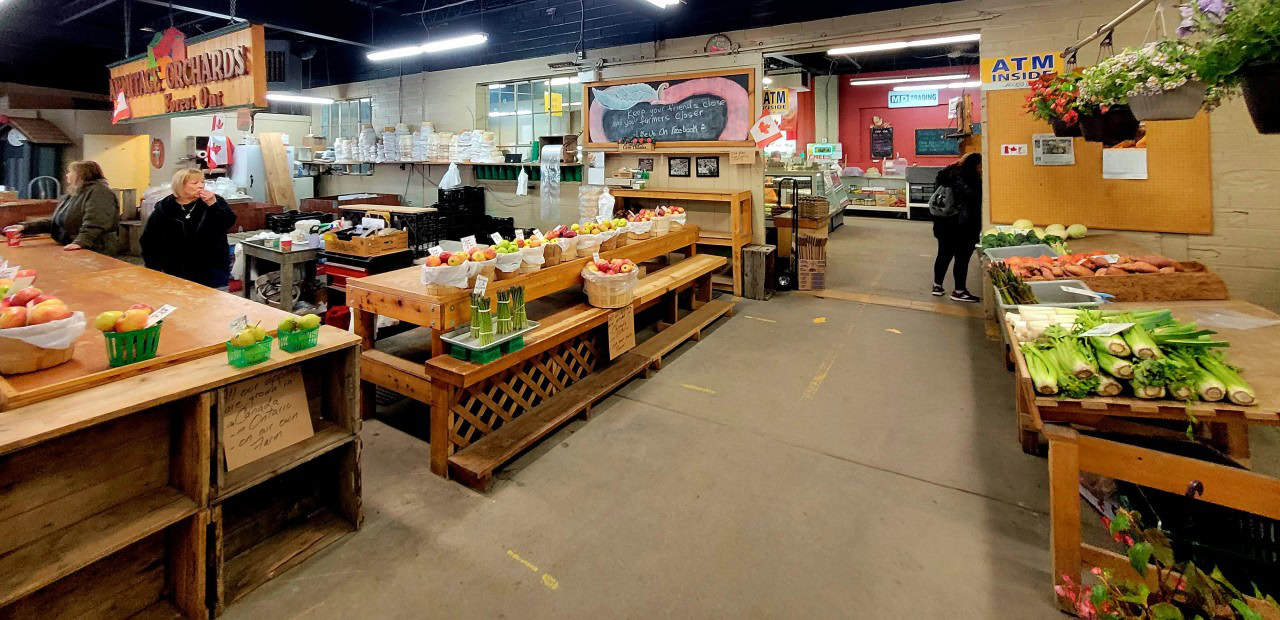
Earlier this month, Toronto city councillor Anthony Perruzza floated the idea of municipally operated grocery stores as a way to push back against rising food prices. His proposal would see the city open several locations across Toronto, offering essentials, from fresh produce to pantry staples, at prices closer to cost.
The concept is partly inspired by developments south of the border, where Mayor Zohran Mamdani has signalled interest in similar models in New York City. The idea is simple but ambitious. Reduce reliance on large corporate grocers and use public infrastructure to stabilize pricing.
In a country where a handful of major chains dominate the grocery landscape, the proposal taps into a growing frustration among consumers who have watched their food bills climb steadily in recent years. Some analyses suggest that public grocery models could reduce prices by as much as 30 per cent in urban markets by cutting out layers of markup and prioritizing affordability over profit.
Sarnia does not face the same density or scale challenges as Toronto, but the underlying issue, affordability, is no less real.
Local residents have seen grocery prices rise alongside national trends, with many households adjusting how and where they shop. Discount grocers, bulk buying, and cross-border trips to Port Huron have all become part of the conversation over the years.
At the same time, Sarnia’s food landscape is more fragmented. Independent retailers, small markets, and locally focused businesses play a larger role here than in larger urban centres. That raises an important distinction. While Toronto’s proposal aims to challenge corporate concentration, Sarnia already operates within a more mixed ecosystem.
Still, gaps remain, particularly when it comes to consistent access to affordable, fresh food in all neighbourhoods.
A city-run grocery store in Sarnia would likely look very different from a Toronto version.
Rather than multiple large storefronts, a local approach might take the form of a smaller, targeted initiative. This could include a municipally supported market, a partnership with local producers, or even a mobile grocery program aimed at underserved areas.
There are precedents for this kind of thinking. Community food programs, farmers’ markets, and food security initiatives already operate across Lambton County. A municipal grocery model could build on that foundation, though it would raise questions about cost, logistics, and the role of local government.
Critics of public grocery models often point to the risks. Running a grocery operation is complex, with tight margins, supply chain challenges, and significant overhead. For a municipality, entering that space would mean balancing public benefit against financial risk, particularly with a smaller tax base.
Whether or not the idea ever moves beyond Toronto, it highlights a broader shift in how communities are thinking about essential services.
Food, like housing and healthcare, is increasingly being viewed not just as a market commodity but as something tied to public well-being. That shift is beginning to shape policy discussions across Canada, including in smaller cities such as our own.
The idea challenges a long-standing assumption: that access to food is best left entirely to the private market.
For Sarnia, the question may not be whether to replicate Toronto’s model exactly, but whether there is a local version worth testing.


