Oct5
Scottish Country Dancing
Mon, Oct 5 · 7:00 pm
St Andrew’s Presbyterian Church 261 Christina St N Sarnia, ON

Provincial regulations taking effect in 2026 leave recycling for industrial, commercial, and institutional properties up to municipalities or local businesses. If neither pick up the tab, that means more waste going to landfill.
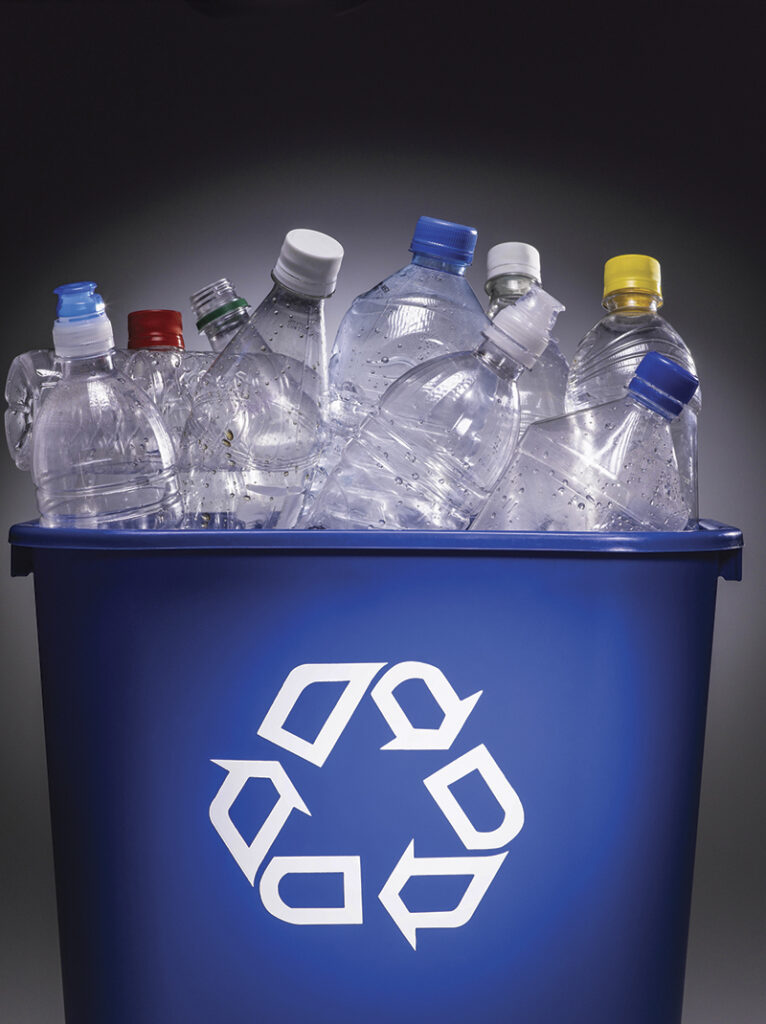
The future of recycling for the industrial, commercial, and institutional (ICI) sector is up for debate in Sarnia. The City is looking to residents and local businesses for their input.
An online survey is taking input from the public to help inform Council's decision whether to continue, cease, or expand ICI recycling services. The survey closes 4:30 p.m. on October 29, 2025. Continuing or expanding the service will require funding via property tax increases.
Circular Material Ontario (CMO), the producer-led organization that has handled the curbside blue box program since 2023, has indicated that they will no longer serve some 200 industrial, commercial, and institutional (ICI) properties that have historically been served by the City. The majority of these properties are in Mitton Village and downtown, and received service until now as they overlapped with existing residential routes.
This service will now end as of January 1, 2026. It is the last step in Sarnia’s transition to the new provincial recycling program which does not mandate ICI recycling. The municipality or private businesses will have to decide how to deal with the recyclable waste generated by non-residential properties.
“The issue poses a challenge for the City, as we balance affordability alongside historic levels of service," said David Jackson, General Manager of Engineering and Operations. "Since we can no longer rely on the previous economy of scale offered by folding ICI within residential collection routes, continuing the service represents a considerable cost increase for taxpayers. At the same time, we recognize how this may impact our ICI customers so we are looking to them, and the public for their insight before any decisions are made.”
Mayor Mike Bradley expressed some frustration when reached for comment. “The handling of the transfer is not going well across the Province and the Province keeps changing the service,” he said. “It will be up to Council to review the changes and decide about funding after the public input period is done.”
Under the new provincial system, Circular Materials is not required to collect from nearly all ICI sources. In Sarnia, the approximately 200 ICI properties currently served by the City represent a small portion of the approximately 1,300 total ICI properties in the city.
A handful of other municipalities, like Sarnia, are debating whether to continue, cease, or expand the ICI services they have historically provided. Almost half of Ontario municipalities are still in the process of transitioning their recycling programs to the provincial system throughout 2025.
Introduced in 2023, Ontario’s new Blue Box Regulation is designed to eliminate the current patchwork of municipal recycling rules, establishing a single, convenient, and consistent list of accepted materials across the entire province.
It also shifts the cost for recycling packaging and paper products from municipalities to the producers that make and supply the material. Circular Materials is the national not-for-profit Producer Responsibility Organization (PRO) that acts as the administrator of this program, working on behalf of all obligated producers in Ontario.
In promoting a “circular economy,” the program is designed to increase material recovery. Placing the responsibility on producers is intended to incentivize them to create better packaging, develop better recycling technology and practices, and create a stronger market for recyclable materials.
However, a major criticism of the provincial program, which has been voiced by municipalities, environmental groups, and some industry observers, is that it fails to address waste from ICI sources, a significant setback for the goal of greater overall waste diversion.
Approximately 60% to 70% of all non-hazardous waste (recyclable, organic, and residual) in Ontario is generated by ICI sources such as businesses, factories, schools, and hospitals. While the ICI sector produces the most waste, its recycling rate is significantly lower. In 2018, the Ontario Auditor General estimated the ICI sector diverted only 15% of its waste, compared to the residential sector's estimated 50% diversion rate.
More waste is expected to end up in landfills since the cost of private recycling contracts will likely be prohibitive for many small establishments like downtown shops, churches, and small non-profits who previously relied on the free or highly subsidized, convenient curbside recycling collection. If not funded by the municipality, these businesses will likely end up mixing their recycling with regular garbage.
Steve Henschel, spokesperson for the City, assured us that public bins in parks and on downtown streets do not fall under the ICI category and “will continue to be collected regardless of the outcome of this decision.”
In regards to expanding the service, Henschel said that “many ICI properties not receiving City-funded collection are already having recyclable materials collected through their current waste collection / disposal solutions, and, as a result, it is difficult to say exactly what the increase, if any, in materials to the recycling processing system would be.”
The City currently pays around $60,000–$90,000 annually for the contracted recycling service for the existing 200 ICI properties. Continuing a standalone service for these properties is estimated to cost nearly $280,000 annually.
Many other regions, such as Chatham-Kent, have already made the difficult decision to discontinue most or all ICI recycling due to the cost and unfeasibility of running municipal routes separate from the residential program.
Though Sarnia’s residential collection transitioned to the new system in July 2023, Circular Materials committed to a "status quo" on accepted items. This means Sarnia residents have since been recycling the list they were familiar with under the old municipal program.
Under the new system, which begins fully for all of Ontario as of January 1, 2026, residents will see changes to what recycling will be accepted, including:
Coffee Cups/Hot and Cold Beverage Cups: Often rejected due to plastic liner contamination.
Black Plastic Containers: Often rejected because optical sorters couldn't "see" the black plastic.
Plastic Tubes (Deodorant, Toothpaste): Not widely accepted; usually disposed of as garbage.
Ice Cream Tubs & Frozen Juice Containers: Acceptance was inconsistent; often treated as contaminated or specialized plastic.
Full Consistency for All Eligible Plastics: Acceptance of plastics #3, #4, #5, #6, and #7 varied wildly by municipality.
Recycling is still considered an important piece for mitigating waste and pollution, however it sits as the third preference among the 3 Rs (Reduce, Reuse, Recycle). Both reducing and reusing disposable materials are considered the best habits for those concerned by the amount of waste that goes to landfills.
Mon, Oct 5 · 7:00 pm
St Andrew’s Presbyterian Church 261 Christina St N Sarnia, ON
Tue, Oct 6 · 5:30 pm
The Bridge Patisserie Café 12 Michigan Ave Point Edward Point Edward, ON
Tue, Oct 6 · 6:00 pm
Black Gold Brewery 395 Fletcher St Petrolia, ON
A division of Sarnia Media Group Inc.
Locally Owned and Operated
© 2026 The Sarnia Journal