
Indwell application prompts broader discussion on how Sarnia defines and classifies different types of housing.
A debate at Sarnia City Council on April 27 revealed a fundamental uncertainty at the heart of the proposed Indwell housing development at 333 George Street: whether the project is considered supportive housing, affordable housing, or both.
That lack of clarity is coming up repeatedly in council chambers and in public discussions.
Throughout the discussion, councillors returned to the same question, with Councillor Chrissy McRoberts noting “there’s one fact that is looming over everyone’s heads. If it is supportive housing or if it will be affordable housing.”
City staff indicated the application was submitted as an 'affordable' housing apartment building, but acknowledged that it includes office space for potential supports such as financial assistance and on-site services.
“The application was for an apartment building at affordable rates,” city staff explained, adding that the building “does include office space that could accommodate on-site supports for that building.”
Several council members pointed out that Sarnia’s zoning by-laws do not clearly define supportive housing, creating confusion both at the council table and in the community.
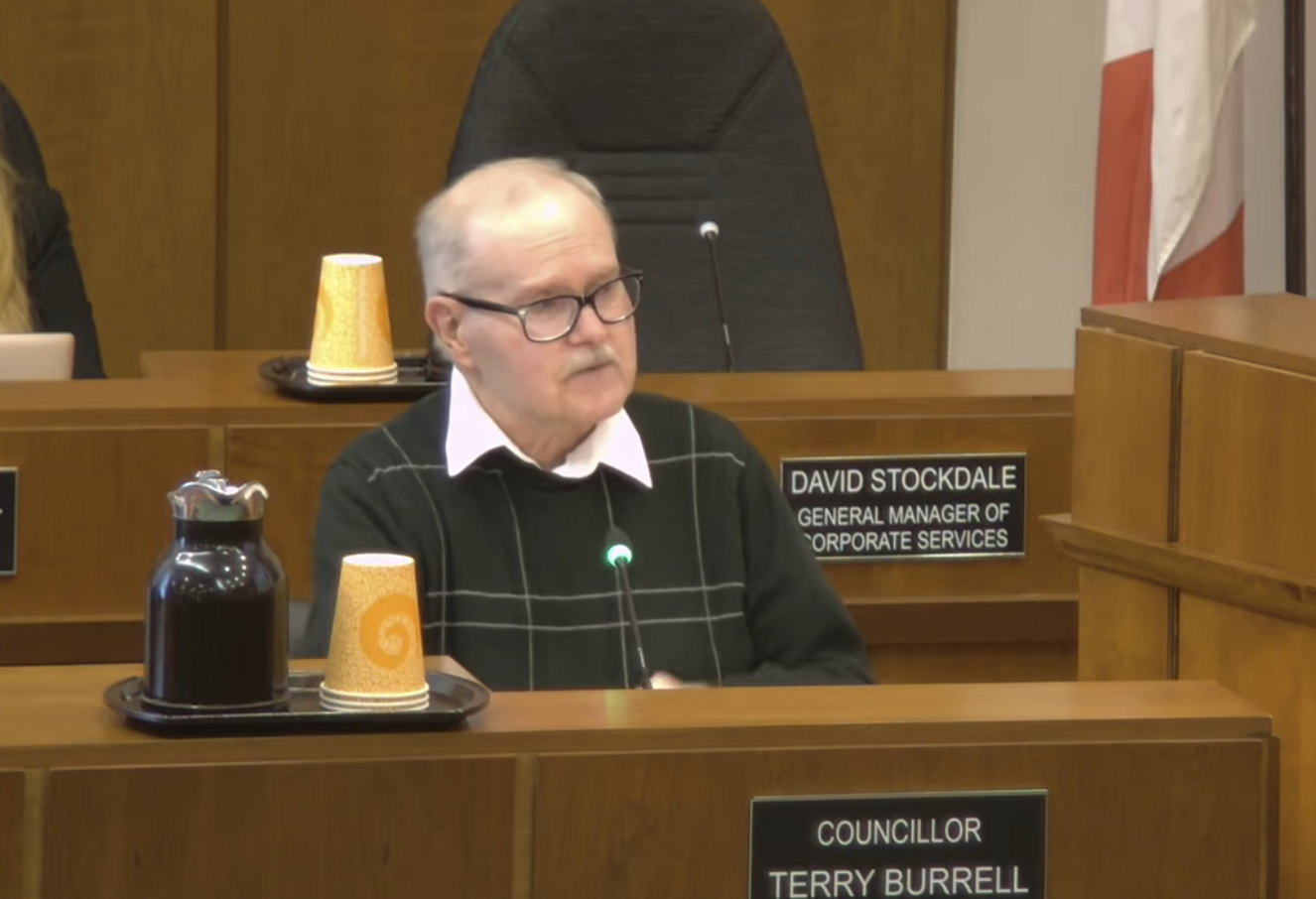
“There seems to be some confusion between affordable and supportive housing,” Councillor Terry Burrell said, questioning whether the absence of a formal definition is “part of the problem.” Burrell also asked whether Sarnia had the appropriate bylaws and definitions in place to differentiate supportive and affordable housing.
City planning staff confirmed that while supportive housing exists locally, it is currently treated as standard apartment housing according to current zoning bylaws.
“The bylaw does not specifically state [supportive housing],” city staff said, noting that similar developments are “considered apartment buildings in the city of Sarnia, and that’s how this has been evaluated.”
That ambiguity led some councillors to describe the situation as unclear and potentially misleading.
“This almost seems like smoke and mirrors… 'We're saying its this.. but it's going to be this,' and that's where people, certainly me, and apparently others, are confused as to what is happening," Burrell noted.
Others raised concerns about how the classification could shape future planning decisions.
Mayor Mike Bradley acknowledged that the issue is evolving, noting that definitions around supportive housing have changed over time and may require clearer direction moving forward.
“We still don’t have anything that is qualifying what supportive is,” he said, adding that the concept has grown more complex and requires “a definitive opinion.”
As part of the discussion, Councillor Anne Marie Gillis pointed out that supportive housing has changed in meaning over time, moving beyond its earlier association with physical disabilities to include a wider and more complex set of supports.
Indwell has stated that all of its developments are affordable housing, with supports available to those who choose to access them.
Indwell developments across Ontario offer a range of on-site supports that vary depending on community needs. For example, Railway City Lofts in St. Thomas includes housing support, addictions services, behavioural therapy, and nursing care. In London, Coves Landing provides space for housing support services, though it does not include additional on-site programming. Lakeshore Lofts in Mississauga offers housing support and features a food bank on the ground floor.
While all Indwell projects incorporate supports tailored to the communities they serve, the specific services proposed for the Sarnia development have not yet been publicly defined.
Council voted to support the Committee of Adjustment’s decision to reject the application and to hire outside legal and planning experts to defend that position at the Ontario Land Tribunal, where Indwell has filed an appeal.
A significant concern raised was the height of the building. Councillors said the proposed five-storey design does not fit the neighbourhood, with Gillis stating a three-storey building would be more appropriate.
The tribunal hearing is scheduled for May 6, and broader zoning discussions are expected at future council meetings.


