
Oct18
Engineer turned filmmaker explores residential school legacy
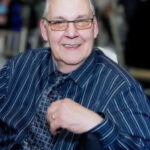
Troy Shantz In the late 1970s, Dwayne Cloes did what many in Sarnia did – found a job in the Chemical Valley.
Troy Shantz
In the late 1970s, Dwayne Cloes did what many in Sarnia did – found a job in the Chemical Valley.
He’d always been a creative person interested in music and photography, but after a span of mediocre jobs that included spinning records at a local radio station for $3 an hour, Cloes gave into the industrial job boom.
He worked 36 years at Polysar, Nova Chemicals, Bayer and TransAlta.
“I went to work there, just so I could do the things that I wanted to do, and afford to do them,” he said.
“The work I did as a power engineer is what I did, but it was never who I was.”
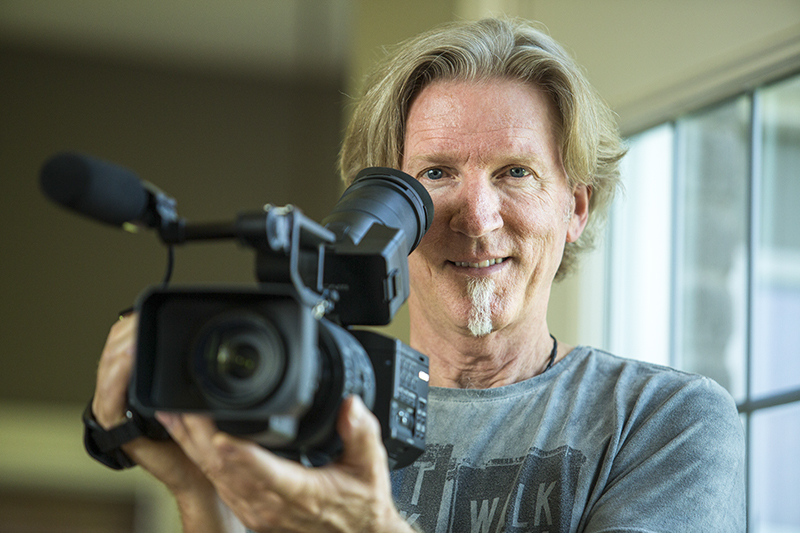
Now retired, Cloes has found a second career as a documentary filmmaker and is currently engaged in his most challenging and serious project to date.
He’s been hired by the United Church of Canada to interview three people who, as children, experienced Ontario’s residential school system.
Their stories are being documented on the Aamjiwnaang First Nation and Walpole Island as part of a 30-minute film, tentatively entitled ‘We Are Still Here.’
“As far as subject matter, it was very important that I get it right. I had to do quite a bit of research because it’s a very important story, and I learned a lot,” he said.
“This is the most important one to me. The other (films) were great human-interest stories, but this is more than that – this is history.
Cloes bought a video camera in 1993 before the birth of his first son. What was to be a tool to record his growing family soon became a major hobby that had him enthralled.
“I just developed as I went along. I started making music videos. I had this goal of making a video for every song I wrote,” he said.
His first break in video production came in 2010 when fellow musician Paul David (AKA Bandaloni) asked him to come on tour and record the whole thing.
“I videotaped him, did a documentary, and then I thought, ‘Wow! Maybe I can do this!’
Cloes went on to produce multiple documentaries, including one on the Sarnia record store, Cheeky Monkey. After producing a film about singer Evelyn Ward de Roo. (The Naked Voice), Cloes’ name began to get passed around as a talented filmmaker.
As he wraps up this latest project, Cloes said he was honoured to be asked to help tell the truth about the legacy of residential schools.
“These are people’s lives that have been affected deeply and it’s been swept under the rug,” he said.
It’s not yet known when the United Church plans to release ‘We Are Still Here.’ But Cloes said he’s content with where he is and open to whatever project comes next.
“I’m just going to wait for the universe to present the next thing to me, and it will. It always has.”
More to read
Events
Oct19
Oct19
Oct19
Oct19
Scottish Country Dancing
Mon, Oct 19 · 7:00 pm
St Andrew’s Presbyterian Church 261 Christina St N Sarnia, ON