Oct5
Scottish Country Dancing
Mon, Oct 5 · 7:00 pm
St Andrew’s Presbyterian Church 261 Christina St N Sarnia, ON

Internal government data reveals that six Sarnia-Lambton facilities missed the 2023-24 provincial standard for hands-on resident care, with commercial operators lagging behind municipal and non-profit homes.
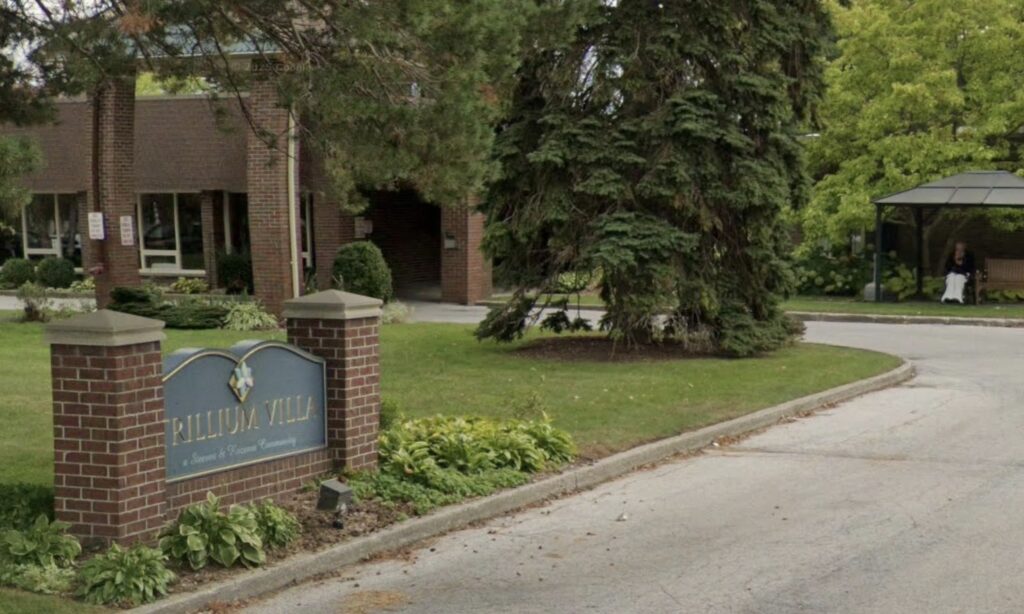
Residents in long-term care are promised a standard level of daily attention, but new internal government data reveals that promise is being broken in more than half of Sarnia-Lambton’s facilities.
According to Ministry of Long-Term Care data obtained through a freedom of information request by The Trillium, six of the ten monitored homes in the Sarnia-Lambton region failed to meet the provincial target for hands-on care during the 2023-24 fiscal year.
The data reveals a stark divide in ownership models: three of the four homes that met the standard are non-profit or municipally run, while five of the six homes that failed to meet the target are for-profit businesses.
The provincial target for this period was set at three hours and 42 minutes (approximately 3.7 hours) of direct care per resident per day. This metric tracks time spent by nurses and personal support workers on essential tasks such as feeding, bathing, and medication administration.
Watford Quality Care Centre was the only for-profit home in the region to meet the annual target, though data shows significant volatility in their staffing, with care hours dropping well below the standard in the second quarter before recovering.
The remaining six homes missed the provincial baseline. With one exception, every facility on this list is a for-profit entity.
Sumac Lodge reported the lowest average in the region, providing nearly 45 minutes less care per resident per day than the target required.
These numbers reflect a systemic disparity in how care is delivered. When care hours fall short, residents wait longer for basic hygiene, meals, and medical support.
While the province aims to increase the average care standard to four hours by 2025, the 2023-24 figures suggest that the for-profit sector in particular is struggling to keep pace with current benchmarks. This pattern in Sarnia-Lambton mirrors provincial trends where non-profit and municipal homes consistently outperform commercial operators in staffing levels and care quality.
Mon, Oct 5 · 7:00 pm
St Andrew’s Presbyterian Church 261 Christina St N Sarnia, ON
Tue, Oct 6 · 5:30 pm
The Bridge Patisserie Café 12 Michigan Ave Point Edward Point Edward, ON
Tue, Oct 6 · 6:00 pm
Black Gold Brewery 395 Fletcher St Petrolia, ON
A division of Sarnia Media Group Inc.
Locally Owned and Operated
© 2026 The Sarnia Journal