
A $2 billion wage gap is forcing community workers to seek employment elsewhere.
Ontario’s community health sector is coming together to draw attention to a growing wage gap causing unprecedented staffing shortages.
Ten provincial associations representing 200,000 community workers have launched a campaign called For Us. For You. which is putting pressure on the Ontario government to find solutions for labour challenges in the community health sector.
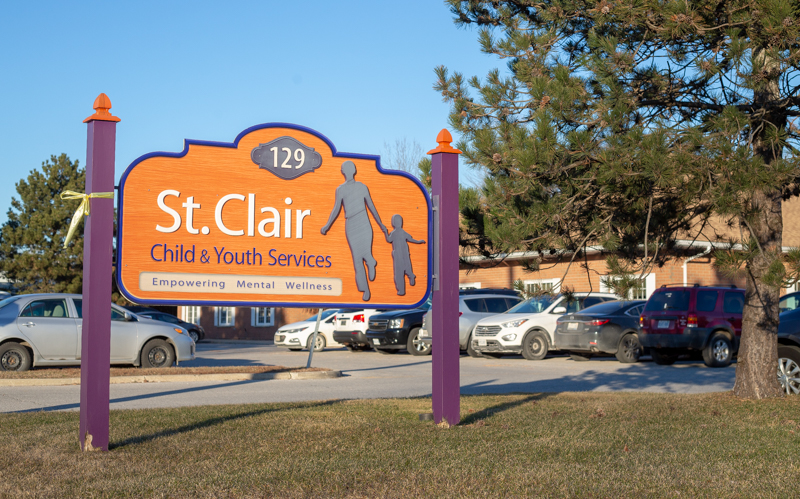
Despite their critical role, mental health staff in organizations like St. Clair Child & Youth Services face a wage gap exceeding $2 billion compared to their peers doing similar work in other sectors, including hospitals and schools.
Craig McKenzie, the Executive Director of St. Clair Child & Youth Services, is among those raising the alarm. He explains, “the current situation is no longer sustainable and will have a direct impact on the services that our community relies on for kids and their families."
McKenzie described it as a crisis and “one of the most challenging situations we’ve found ourselves in as an organization.”
The community health sector comprises workers in primary care, mental health, and addictions organizations, home and community care, long-term care, and other community health settings. They provide essential support work that often keeps Ontarians out of busy emergency departments and hospitals.
“Community health workers – from dietitians and physiotherapists to nurses and health promoters, and everyone else who helps make up the primary health care team – are the foundation of our health system,” said Sarah Hobbs, CEO for Alliance for Healthier Communities. “These folks are the core members of community health organizations, which people in Ontario depend on every single day to stay well and out of the hospital.”
They, like many others, are struggling to keep up with the high cost of living, and though they may love the work they do, many are looking for work elsewhere.
“Community health workers, and the teams they are part of, are being left behind,” said Hobbs.
“We continue to struggle to fill vacant positions,” said McKenzie, “and it’s becoming increasingly difficult to retain staff who are often forced to leave the sector for positions where they receive fair compensation. Their peers in other sectors, such as health or education, with the same credentials, same experience, often end up making 15% or 20% more. It has created staff turnover rates that we haven’t seen before.”
Community workers are leaving for positions in health, education, or private practice. Many are also taking on additional part-time jobs to make ends meet, according to McKenzie.
This crisis has contributed to increased wait times for vital mental health support. Wait times for assessment, counselling, and therapy continue to increase. Demand for these services has also increased, McKenzie explained. “People are coming to us with more complex needs. There are increases across the board in addictions and mental health.”
St. Clair Child & Youth Services operates under Children’s Mental Health Ontario, one of the ten organizations that have come together for the campaign. The other associations supporting the campaign are:
For Us. For You. wants to work with Ontario’s government to:


