Oct5
Scottish Country Dancing
Mon, Oct 5 · 7:00 pm
St Andrew’s Presbyterian Church 261 Christina St N Sarnia, ON

Provincial funding for supervised consumption sites will end in June, raising questions about harm reduction and treatment access across Ontario.
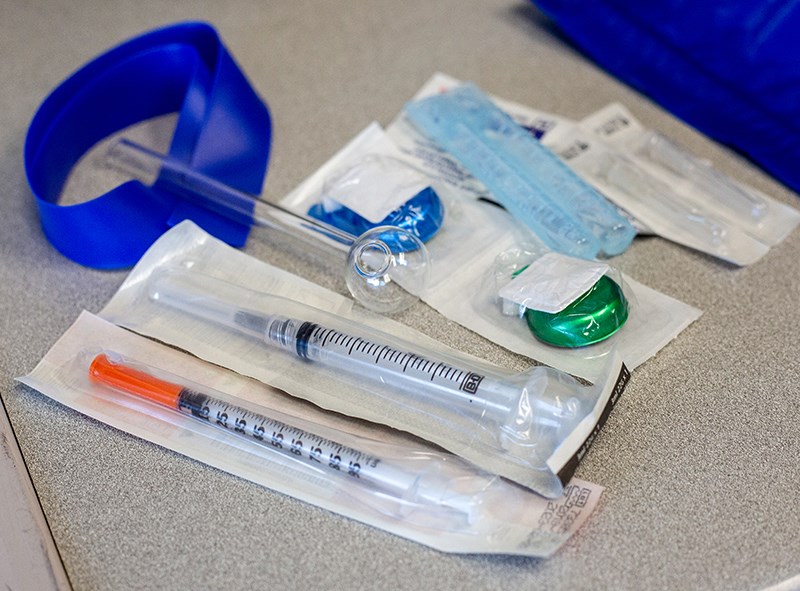
The Ontario government is preparing to end provincial funding for all supervised consumption sites across the province, a move that advocates say could reshape harm reduction services and increase pressure on local health systems.
According to information provided to site operators, provincial funding for the remaining supervised consumption sites will end on June 13. Without alternative funding sources, many of these locations are expected to close.
The decision reflects a shift in provincial policy toward a model focused on treatment, recovery and housing supports. Ontario has introduced HART Hubs, which are designed to help individuals access addiction treatment and housing services rather than relying primarily on harm reduction programs.
The funding change is expected to affect several cities where supervised consumption services currently operate, including Toronto, Ottawa, London, Kingston, St. Catharines and Peterborough. Some organizations are now exploring whether privately funded models could allow their programs to continue operating.
Supervised consumption sites have been established in a number of Canadian cities over the past decade as part of broader responses to the opioid crisis. These facilities provide controlled environments where individuals can use substances they already possess under the supervision of trained staff.
Research from federal health authorities has found that supervised consumption services can reduce fatal overdoses, limit the spread of infectious diseases such as HIV and hepatitis C, and connect people with treatment and social supports. The sites also provide access to services such as wound care, drug checking, infectious disease testing and referrals to addiction treatment.
Health experts have also noted that supervised consumption services can reduce strain on emergency systems by preventing overdoses that would otherwise require ambulance response and hospital care.
The province’s new direction places greater emphasis on programs that move people directly toward treatment and recovery. However, some researchers and frontline organizations have raised concerns that treatment services are not yet widely available enough to replace harm reduction programs in many communities.
The shift comes amid ongoing concerns about the increasingly toxic and unpredictable drug supply across Ontario.
While supervised consumption sites operate in several Ontario cities, Lambton County currently does not have one.
In the Sarnia-Lambton region, harm reduction services are provided through the Lambton Public Health Harm Reduction Clinic at 160 Exmouth Street in Point Edward. The clinic distributes clean injection and inhalation supplies, provides safe disposal of used equipment and offers services such as sexually transmitted infection testing, immunizations and naloxone kits used to reverse opioid overdoses.
The clinic operates during weekday hours and is intended to reduce the risk of blood borne infections and overdose while connecting individuals to health and social services.
Without a supervised consumption site in Lambton County, local harm reduction efforts rely on outreach programs, public health services and emergency response systems to address substance use and overdose risks.
The provincial decision is expected to reopen debate across Ontario about how communities respond to addiction and the ongoing opioid crisis.
Mon, Oct 5 · 7:00 pm
St Andrew’s Presbyterian Church 261 Christina St N Sarnia, ON
Tue, Oct 6 · 5:30 pm
The Bridge Patisserie Café 12 Michigan Ave Point Edward Point Edward, ON
Tue, Oct 6 · 6:00 pm
Black Gold Brewery 395 Fletcher St Petrolia, ON