Oct5
Scottish Country Dancing
Mon, Oct 5 · 7:00 pm
St Andrew’s Presbyterian Church 261 Christina St N Sarnia, ON

Although the disease has not been detected in Ontario wildlife, it has been found in neighbouring U.S. states and in parts of Manitoba and Québec, prompting continued monitoring across the […]
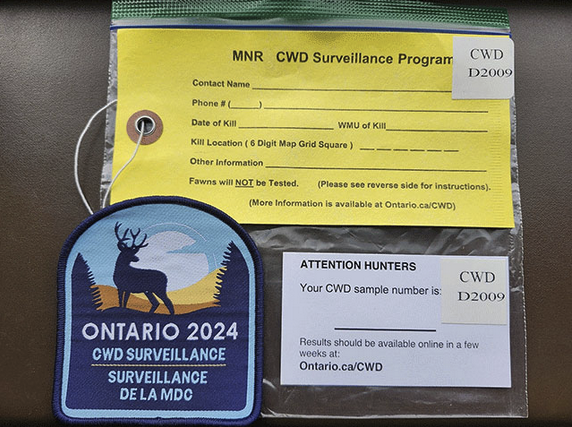
Although the disease has not been detected in Ontario wildlife, it has been found in neighbouring U.S. states and in parts of Manitoba and Québec, prompting continued monitoring across the province.
CWD is a progressive and fatal neurological illness that affects members of the deer family, including white-tailed deer, elk, moose, and caribou. The disease causes weight loss, lack of coordination, behavioural changes, and eventually death. There is currently no treatment or cure.
The Ontario Ministry of Natural Resources (MNR) is conducting targeted testing from October to December 2025. Hunters can support surveillance efforts by submitting the heads of harvested deer for testing to one of the designated freezer depots for sample drop-off. An official list can be found here. Deer heads submitted for testing cannot be returned.
When submitting samples, hunters are asked to include the date and general location of harvest and provide contact information so results can be relayed if necessary. Samples should be submitted as soon as possible, ideally within 48 hours of harvest, or frozen until they can be dropped off. Antlers must be removed before submission, though the skull cap may remain as long as most of the brain stem is intact for testing.
Provincial regulations remain in place to prevent the introduction of CWD into Ontario. Hunters cannot bring in cervid carcasses or products containing bodily fluids from other provinces or states, with limited exceptions such as deboned meat, finished taxidermy mounts, and cleaned hides. Transporting live cervids within or into the province requires a permit.
Officials note that Ontario continues to test more than 3,000 deer and elk annually as part of long-term surveillance efforts, with over 15,000 wild cervids tested since 2002. The goal is to maintain early detection and protect both wildlife and hunting traditions. Hunters can access their results or learn more about the disease at ontario.ca/CWD.
Mon, Oct 5 · 7:00 pm
St Andrew’s Presbyterian Church 261 Christina St N Sarnia, ON
Tue, Oct 6 · 5:30 pm
The Bridge Patisserie Café 12 Michigan Ave Point Edward Point Edward, ON
Tue, Oct 6 · 6:00 pm
Black Gold Brewery 395 Fletcher St Petrolia, ON
A division of Sarnia Media Group Inc.
Locally Owned and Operated
© 2026 The Sarnia Journal