Oct5
Scottish Country Dancing
Mon, Oct 5 · 7:00 pm
St Andrew’s Presbyterian Church 261 Christina St N Sarnia, ON

As Sarnia grapples with its homelessness crisis, the nearby city of St. Thomas provides a proven roadmap for a solution through its successful supportive housing initiatives.
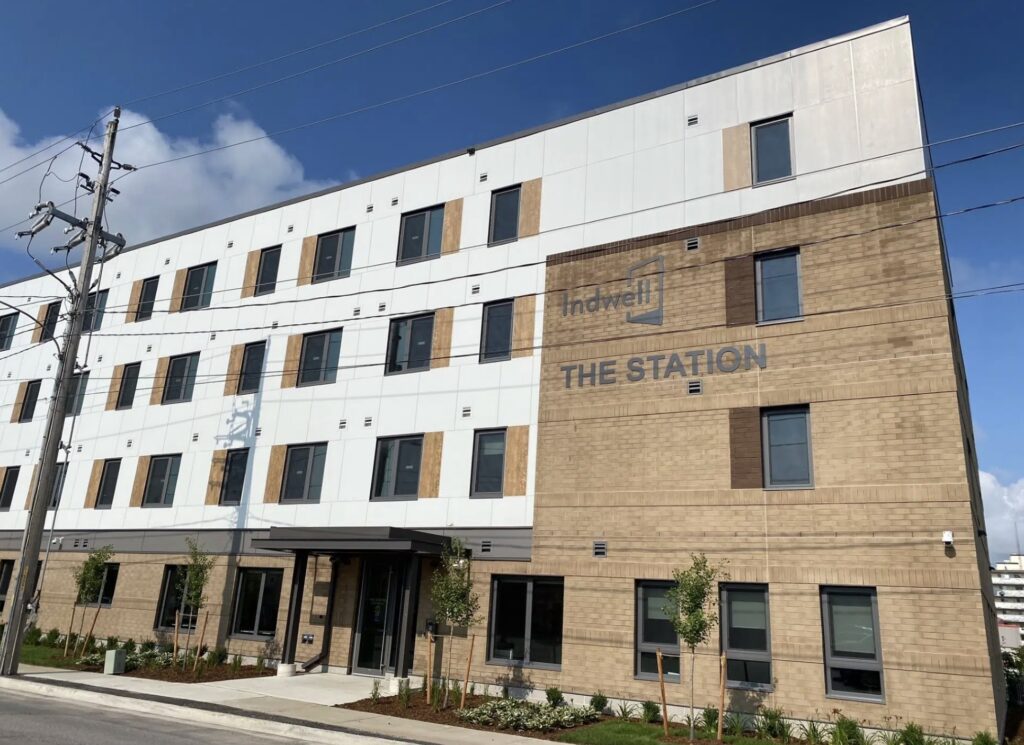
Across Ontario, an estimated 80,000 people are experiencing homelessness. In Sarnia-Lambton, that number is roughly 300, counting only those within the city, as the rural homeless population is often more transient. About 90% of Sarnia’s homeless population uses local support services each year. The issue remains a point of contention, with Sarnia Councillor Bill Dennis moving to shut down a temporary shelter in November 2024, citing concerns that "…people are sleeping outdoors…"
The goal of supportive housing is to provide stable homes so people no longer have to sleep outdoors. In 2018, the City of St. Thomas declared homelessness a crisis—a declaration that resonates in Sarnia with its own 300 residents living on the streets. That year, the newly elected St. Thomas mayor, Joe Preston, began a program to create a by-name list of every person experiencing homelessness. The end goal, Preston said in an interview, is to have no one left on that list.
Mayor Preston and the St. Thomas municipal government immediately began planning ways to get people off the street, recognizing that income-related housing already had a years-long waiting list—a problem Sarnia shares. Preston noted that simply "having someplace to go" wasn't enough. St. Thomas integrated crucial services directly into its supportive housing sites, allowing residents to access medical care, mental health support, and job assistance where they live.
The results have been striking. According to the mayor, the first 16-family unit saw its residents' interactions with police drop by nearly 80%. City-wide data supports this trend. Samantha Wakefield, the press liaison for the St. Thomas Police, confirmed the downtown crime rate fell by 14% overall from 2020-2024. During that same period, calls for "unwanted persons" dropped by 44%, and complaints about drug use plummeted by 67%. The data from St. Thomas suggests that fears of supportive housing increasing crime are unfounded; in fact, the opposite appears to be true.
"This data shows what’s possible when housing, support services, and the police service work together," said St. Thomas Police Chief Marc Roskamp. "The investments made by the City and our partners are reducing pressures on frontline policing while improving outcomes for vulnerable residents and improving community safety and wellness for all."
Mayor Preston expanded on this, describing the role of "special constables" who have backgrounds in mental health and substance use disorders. This approach frees up frontline officers to focus on other duties while ensuring vulnerable people receive care from trained professionals. This model presents a compelling alternative for Sarnia, where the police service is lobbying for a new multimillion-dollar police station. While the impact of a new building on crime reduction is debatable, St. Thomas’s data shows a clear correlation between its supportive housing model and a safer community. The four special constables in St. Thomas cost a combined $300,000 annually—a fraction of the cost of a new station.
Currently, St. Thomas has 61 supportive housing units, with another 78 under construction, for a total of 139. A similar number of units in Sarnia could house a significant portion of the city’s homeless population, marking a significant step toward solving the local crisis.
These facilities also include kitchens that provide one meal a day. Natasha Thuemler, the regional director for Indwell, the Christian charity operating the housing, said the project’s core values are dignity, hope, and love. Providing a hot meal without judgment, she noted, is a powerful way to restore dignity. Mayor Preston added that on-site services also save public money by reducing costly emergency room visits for routine medical care.
Indwell has been providing supportive housing for 50 years, and its data shows that over 70% of its residents report having more hope for the future. This is critical, as the Canadian Mental Health Association identifies hopelessness and stress as major contributors to substance use disorder. The 67% drop in drug-related police calls in St. Thomas underscores the impact of this approach.
"The quality of relationships dictates the quality of life," Thuemler said, quoting psychotherapist Esther Perel. She explained that when stress and hopelessness recede in a judgment-free environment, a person’s sense of self is boosted, fully embodying Indwell's values.
Supportive housing, however, is only part of the solution. The high cost of permanent housing in Ontario remains a formidable barrier. In Sarnia, a studio apartment at the Miller Apartments on Queen Street starts at $1,295 per month plus utilities, requiring an annual income of nearly $48,000 to qualify. Statistics show about one in five Canadians earns less than that.
All three interviewees for this story stressed that affordable housing is crucial to prevent homelessness from becoming cyclical. St. Thomas is already converting an entire building into affordable units. This highlights a need for a shift in focus in Sarnia, where recent housing developments have prioritized single-family homes that are inaccessible to those most in need.
When asked if Sarnia could replicate St. Thomas's success, all three interviewees gave a definitive answer: "Yes." They see no reason why the programs wouldn't work here. While objections regarding property values and safety are common, the evidence from St. Thomas directly counters these concerns, showing reduced crime, lower costs, and a stronger sense of community. Mayor Preston said residents now excitedly ask when the next project will be finished.
The success in St. Thomas provides a clear roadmap. The question is no longer whether a solution to homelessness exists, but whether Sarnia is ready to build one.
Mon, Oct 5 · 7:00 pm
St Andrew’s Presbyterian Church 261 Christina St N Sarnia, ON
Tue, Oct 6 · 5:30 pm
The Bridge Patisserie Café 12 Michigan Ave Point Edward Point Edward, ON
Tue, Oct 6 · 6:00 pm
Black Gold Brewery 395 Fletcher St Petrolia, ON
A division of Sarnia Media Group Inc.
Locally Owned and Operated
© 2026 The Sarnia Journal