Oct5
Scottish Country Dancing
Mon, Oct 5 · 7:00 pm
St Andrew’s Presbyterian Church 261 Christina St N Sarnia, ON

Students across Ontario are preparing for significant changes to the Ontario Student Assistance Program, commonly known as OSAP, beginning with the 2026 to 2027 academic year. The provincial government says […]
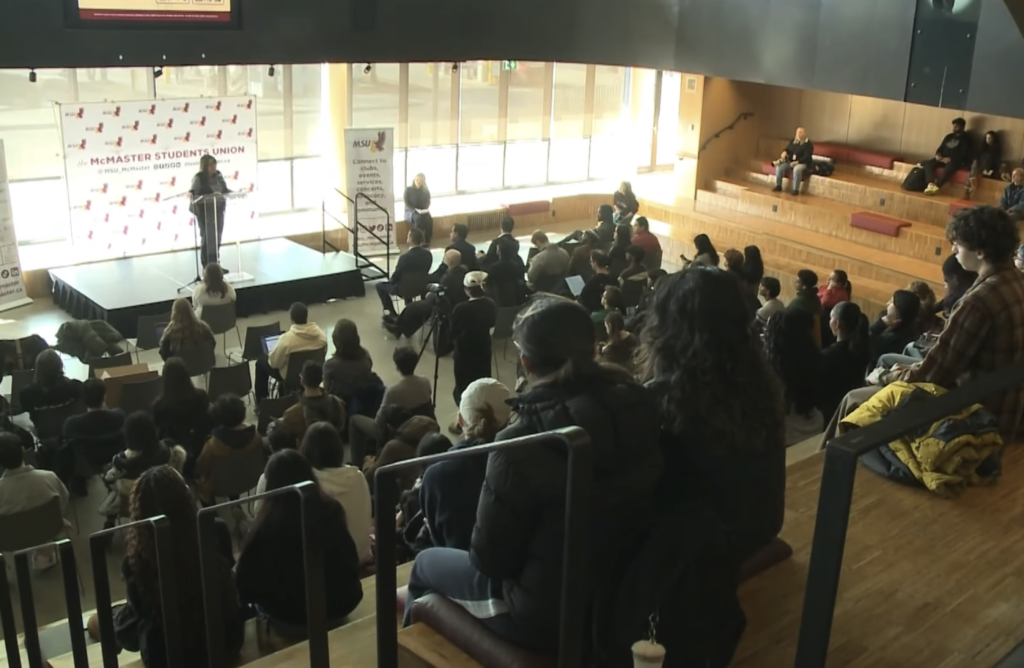
Students across Ontario are preparing for significant changes to the Ontario Student Assistance Program, commonly known as OSAP, beginning with the 2026 to 2027 academic year.
The provincial government says the adjustments are intended to make the program financially sustainable while increasing funding to colleges and universities. However, students and advocacy groups say the changes could lead to higher debt levels and new financial uncertainty.
Below is a simple breakdown of what is changing and what it could mean for students in Sarnia-Lambton and across the province.
OSAP is a financial aid program that helps eligible students pay for college or university. Funding is provided through a combination of grants, which do not need to be repaid, and loans, which must be repaid after graduation.
Although OSAP is administered by Ontario, the funding comes from both the provincial and federal governments. Typically, about 60 per cent of funding comes from the federal government and about 40 per cent comes from the province.
Ontario residents who are Canadian citizens, permanent residents, or protected persons may qualify for OSAP. Eligibility depends on several factors including income, family situation, course load, and education costs.
Students are encouraged to confirm eligibility with their school’s financial aid office, as requirements can vary depending on individual circumstances.
The most significant change involves how much aid students receive as grants compared with loans.
Currently, students who qualify for maximum assistance can receive up to 85 per cent of their funding as grants and at least 15 per cent as loans.
Starting in the 2026 to 2027 school year, that balance will shift dramatically. Grants will be capped at 25 per cent of total aid, while loans will make up at least 75 per cent.
Because grants do not need to be repaid, this change means many students will graduate with more debt.
Experts estimate that students receiving the highest level of aid could see about $3,500 in funding shift from grants to loans each year.
Private career college students will only be eligible for OSAP loans, not grants.
The province is also ending a seven year tuition freeze. Public colleges and universities will be allowed to increase tuition by up to two per cent per year for the next three years.
After that period, tuition increases will be limited to either two per cent or the inflation rate, whichever is lower.
The government says these changes will help stabilize post secondary institutions that have faced financial pressures, including reduced international student enrolment and years of funding challenges.
Ontario officials say the OSAP system was facing financial pressure of about $2.3 billion and required restructuring to ensure long term sustainability.
The government has also emphasized encouraging students to pursue programs that lead to in demand careers.
The province is also investing billions into post secondary education, including funding for more program spaces in high demand fields such as health care and skilled trades.
Student organizations say the shift toward loans could make education less affordable, especially for lower income and mature students returning to school.
There are also concerns about transparency. The OSAP funding calculator has not yet been updated to reflect the changes, leaving many students uncertain about how much support they will receive until later in the spring.
Some experts believe the changes may have the biggest impact on older students with families, rather than recent high school graduates who are continuing directly into post secondary education.
Students planning to attend college or university this fall should continue monitoring updates from the Ministry of Colleges and Universities and their school’s financial aid office.
Updated funding estimates are expected later this spring, before most admission acceptance deadlines in early June.
The coming months will provide a clearer picture of how the new OSAP rules will affect affordability and borrowing decisions.
Mon, Oct 5 · 7:00 pm
St Andrew’s Presbyterian Church 261 Christina St N Sarnia, ON
Tue, Oct 6 · 5:30 pm
The Bridge Patisserie Café 12 Michigan Ave Point Edward Point Edward, ON
Tue, Oct 6 · 6:00 pm
Black Gold Brewery 395 Fletcher St Petrolia, ON
A division of Sarnia Media Group Inc.
Locally Owned and Operated
© 2026 The Sarnia Journal