Apple CarPlay Ultra: What changed, what stays the same, and why drivers care
Apple has spent years turning CarPlay into the default way many people use an iPhone on the road. For most drivers, it became the familiar shortcut for maps, calls, messages, and music without touching the phone itself.
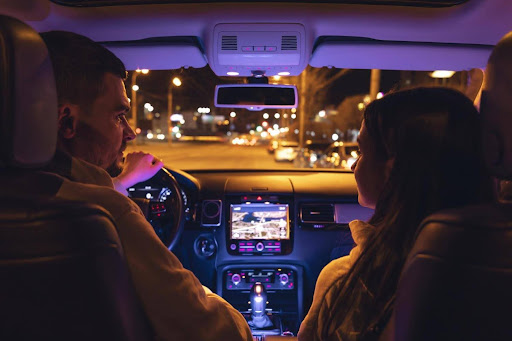
Apple has spent years turning CarPlay into the default way many people use an iPhone on the road. For most drivers, it became the familiar shortcut for maps, calls, messages, and music without touching the phone itself. CarPlay Ultra is Apple’s next step, and it is a bigger one than the name suggests.
Instead of living mainly on the centre screen, CarPlay Ultra stretches across more of the cabin and takes on a larger role inside the dashboard. That does not mean every part of the in-car experience is suddenly new. Some of the most useful habits drivers already know still work the same way.
The real question is not whether CarPlay Ultra looks sharper in press photos. It is whether the update makes day-to-day driving easier, clearer, and less frustrating. For people comparing their next vehicle, that matters more than a flashy launch line.
CarPlay used to be an app layer. Ultra is closer to a full interface
Regular CarPlay already gave drivers a safer way to use iPhone features through the car’s display. Apple Maps, calls, messages, audio apps, Siri, and a tidy dashboard view made it easier to stay off the handset while driving. Apple’s support documentation still describes it in those basic terms. In many vehicles, though, there was still a hard line between the phone-powered screen and the car’s own built-in system.
CarPlay Ultra pushes far past that line. In Apple’s rollout announcement from May 15, 2025, the company said the new version can place content across all of the driver’s screens, including the instrument cluster behind the steering wheel. That means speedometer and tachometer layouts, turn-by-turn directions, media information, widgets, and certain vehicle details can sit inside one connected visual system instead of feeling split between two different interfaces.
For drivers, that is the headline change. You are no longer just projecting a familiar iPhone layout onto one display. The phone experience now reaches deeper into the car’s digital environment.
What actually changed on screen
The easiest way to understand CarPlay Ultra is to think in layers. With older CarPlay, the central infotainment display did most of the work. Your route, your podcast queue, your calls, and your messages lived there. The instrument cluster usually remained the carmaker’s territory.
CarPlay Ultra feels more like a joint effort between Apple and the car brand rather than a phone screen pasted onto a dashboard. The layout follows one clear style across the displays. Drivers can view iPhone details on the main center screen, and in cars that support it, inside the instrument cluster too. The widgets are built for car screens, so key information shows up clearly without the need to dig through layers of options. Another practical change is control depth. CarPlay Ultra is designed to let users handle more vehicle functions from the same interface, including radio and climate settings, while still allowing physical buttons and Siri. That may sound minor until you think about how many modern cars bury simple tasks in separate menus. If temperature, media, navigation, and trip information live in one system that is easier to read at speed, that is a genuine usability gain.
What stayed the same, and why that matters
For many drivers, the biggest comfort is simple: Apple did not scrap the parts of CarPlay that already worked well.The basic idea has not changed. Plug in the iPhone and use the apps and tools people rely on every day, in a way that keeps attention on the road. Siri still plays a key role. Maps remain front and center. Messages and audio apps still rank high on the daily list. The system still runs through the iPhone instead of turning the car into a separate tech world with its own rules.
That popularity goes a long way. Most drivers do not tend to know about a new setup every time they change cars. They just want their contacts, playlists, saved routes, and voice commands to behave the same way they do outside the vehicle. CarPlay Ultra expands what the system can show, but it does not break that sense of familiarity.
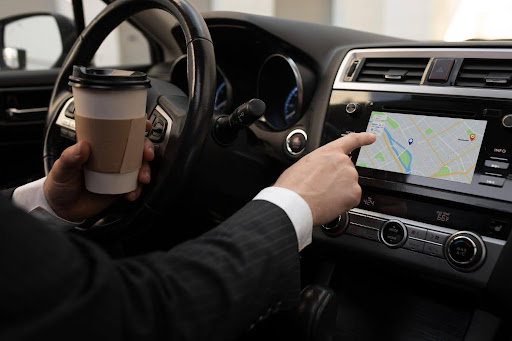
It also keeps real buttons and steering-wheel controls in place. That detail counts. Clean graphics look nice, but when rain hits the windshield, traffic tightens, or gloves stay on in winter, a solid physical control often works better than another touch on a screen.
Why drivers may care more than the launch hype suggests
Some tech announcements sound bigger than they feel once real people start using them. CarPlay Ultra has a better chance than most of passing the daily-life test because it addresses friction drivers already know.
First, it cuts down on context switching. One of the more annoying parts of many current infotainment systems is bouncing between the car’s menus and the phone-driven interface just to adjust the cabin, check media, or pull up directions. A more unified setup can reduce those extra steps.
Second, it makes digital dashboards more useful. Modern instrument clusters often look impressive on the showroom floor, but they are not always well organized. If CarPlay Ultra helps drivers put navigation, media, and key vehicle details where they naturally want them, the screen behind the wheel becomes more than a decorative gauge pack.
Third, it gives automakers a way to keep their own visual identity without forcing drivers into clumsy software. That balance matters. Buyers often want the polish of Apple’s software and the character of the car brand they paid for. Ultra is trying to hold both.
For Canadian drivers, there is another layer. Long commutes, highway miles, border trips, and winter weather all make clarity a bigger deal than novelty. A setup that keeps directions easy to see, climate controls within reach, and voice commands dependable is worth more than a dozen hidden features buried in a settings menu.
Where the limits still are
CarPlay Ultra is not the kind of update that quietly appears in every car with a USB port. Apple began with Aston Martin in the United States and Canada on May 15, 2025. The company also mentioned Hyundai, Kia, and Genesis as future partners, but the release has been far smaller than the early hype around “next-generation CarPlay” made it sound.
That smaller rollout changes the picture for most drivers. This is not a feature that will suddenly arrive in cars already on the road. For now, it makes more sense as something to think about when buying a new vehicle, especially for drivers who care a lot about the tech inside the cabin.
There is also the basic hardware question. CarPlay Ultra needs an iPhone 12 or newer with iOS 18.5 or later. That is not a huge hurdle for many iPhone users, but it is still another reminder that the upgrade depends on the right phone and the right car arriving at the same moment.
The bigger shift is about trust
The real story with CarPlay Ultra is not the screen design. It is about who drivers rely on once they sit behind the wheel. Car brands have spent years trying to perfect their own infotainment systems. Some work well. Many feel slow, cluttered, or harder to use than they should be. Drivers picked up on that. Regular CarPlay gained ground because it became popular. People already trusted the phone in their pocket more than the software built into the dash.
CarPlay Ultra moves that comfort level further forward. Apple does not control every car function, but the iPhone now has a bigger role at the center of the experience. For drivers who already use Apple Maps for directions, Apple Music or Spotify for playlists, WhatsApp for messages, and even casual browser-play services like BetandPlay slots, with titles like Merge Up by B Gaming, this may feel more like a small next step than a major change.
For carmakers, that shift raises a tougher issue. The more drivers lean on Apple’s layout, the less forgiving they may become toward weak factory software. Expectations rise. If one system feels smooth and familiar, anything slower or less polished stands out right away. That leaves automakers with a clear task: make their own platforms strong enough to hold their place.
Should everyday drivers care right now
If you plan to buy a new vehicle soon and care a lot about maps, media, voice control, and the layout on the screen, CarPlay Ultra is worth a close look. It points to a future where the car system feels less split apart and more steady from one trip to the next.
If you already use standard CarPlay and like it, the good news is that Apple has not changed the core idea. You still get the same iPhone-based setup you know. Ultra only expands how much of the car that setup can control.
Anyone already happy with regular CarPlay probably does not need to rush toward this update. The current version already covers the basics most drivers use every day. Maps, phone calls, messages, playlists, and podcasts are already there without much effort.
What drivers should watch next
The next stage will tell us more than the reveal did. Watch which brands add support, how fast those vehicles arrive in volume, and whether the finished systems stay simple once drivers are out of the demo environment and back in traffic.
That is where CarPlay Ultra will be judged. Not by the way it looks in a fancy cockpit, but by what it does for an early school run, a long work drive, or a quiet weekend trip. If it makes those moments smoother than the old setup, and still keeps the things people liked about regular CarPlay, then drivers will pay attention.