
What Is an Online Community? An online community is a group of people who interact in a shared digital space around a common interest, goal, or topic.
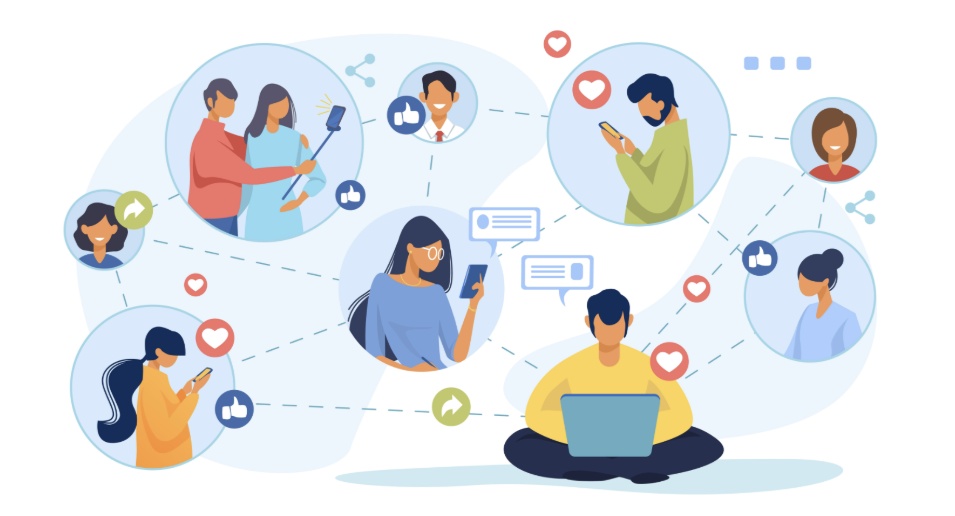
An online community is a group of people who interact in a shared digital space around a common interest, goal, or topic. This interaction can take place in forums, social media groups, messaging apps, or dedicated platforms. A community is defined not by the platform, but by ongoing communication between members. Unlike a passive audience, where people only consume content, a community involves participation. Members ask questions, share experiences, give feedback, and respond to each other. Over time, these interactions build familiarity and make the space more active and engaging. Not every community, however, turns into a place people return to. Many groups attract users but fail to keep them involved beyond the first visit. This gap between joining and staying active is what separates short-lived activity from long-term engagement. Bringing people in is not enough to build a loyal community. The key is shaping how they interact, how quickly they get involved, and what keeps them coming back.
Loyal community members behave differently from casual followers, and the difference shows up in measurable outcomes. A loyal member doesn’t just read posts. They return multiple times a week, participate in discussions, and invite others to join. According to recent data from CMX, communities with a strong core of active members generate up to 80% of all interactions from less than 20% of users. This means a small loyal group drives most of the activity. Loyalty also directly affects growth. Members who feel connected are more likely to recommend the community, and peer recommendations convert significantly better than any paid channel. Nielsen reports that 88% of people trust recommendations from other users more than brand messaging. In practice, this means that an active community can become a primary growth channel without additional acquisition costs.
Retention is another key factor. Research from Harvard Business Review shows that increasing retention by just 5% can increase profits by 25% to 95%. In community-driven products, this retention often comes from belonging and ongoing interaction rather than features alone. When people feel part of a group, they are less likely to leave, even if alternatives exist. Loyal communities tend to generate better content and peer support. Other members in product communities can answer up to 50–70% of user questions instead of the team. This reduces workload and improves response speed. In learning or creator communities, active members often guide newcomers, which raises the overall quality of discussions without direct involvement from the community owner or team.
Stability is another measurable advantage. Communities built only on new user inflow often lose activity within weeks if engagement drops. In contrast, communities with a loyal base maintain consistent daily activity because returning members continue conversations and initiate new ones. This reduces dependence on constant growth and makes the community more stable. In practical terms, loyalty is what turns a community into a system that sustains itself. It drives engagement, supports growth, improves retention, and reduces operational effort. Without it, even large communities struggle to stay active and gradually lose momentum.
Creating valuable content starts with one question: what should feel easier after ten minutes here? Research on contributions indicates that participation increases when the community requests specific, achievable actions and clearly outlines the expectations for its members. Plan three types of content together: an evergreen resource, a recurring prompt, and a live interaction that supports relationships. For example, a job-search community can pin a “resume checklist,” run a weekly “two-sentence pitch” thread, and host a monthly Q&A focused on interviews. Use member questions as your input source by turning the most common posts into short guides, then linking those guides back in replies. When members see that their questions become shared resources, they learn that showing up helps both them and the group.
Consistent, two-way communication is what converts a passive follower into an invested member. This doesn't mean responding to every comment with a generic "thank you" – it means engaging with substance. When someone asks a question, give a detailed answer. When someone shares a result or a frustration, acknowledge the specifics. Platforms like Reddit and Discord have built entire cultures around the idea that admins and moderators are community members first, not people managing from a distance. Running regular AMAs (Ask Me Anything sessions), hosting weekly topic threads, or designating specific response windows where the team is visibly active all signal that real people are paying attention. Direct messaging, when used thoughtfully, creates a level of personal connection that broadcast content never can. The goal is to make members feel that their presence in the community matters.
Gamification works because it taps into the same psychological drivers that make games compelling: progress, recognition, and competition. In a community context, this approach means implementing systems where participation earns visible rewards. This includes points for posting, badges for milestones, leaderboards for top contributors, and tiered membership levels that unlock new privileges. These mechanics give members a reason to stay engaged beyond the content itself. Stack Overflow's reputation system is one of the most studied examples. Users earn points for helpful answers, and those points unlock moderation privileges, creating a self-sustaining cycle of quality contribution. The key is to reward the behaviors that strengthen the community – thoughtful answers, welcoming new members, and sharing accurate information – rather than just raw activity volume, which can incentivize spam. Even small things, like publicly recognizing a “member of the month,” don’t cost anything but can still make people feel valued and more willing to stay involved.
Exclusive access and personalized bonuses are among the most reliable tools for both attracting new members and keeping existing ones engaged. For new members, this can include a meaningful welcome gesture, an exclusive guide, early access to content, a free resource, or a discounted first experience. This reduces the friction of joining and sets a tone of generosity. For active members, tiered rewards that grow with engagement reinforce the idea that participation has tangible benefits. This approach shows up in many industries. SaaS platforms often give extended trials to their most active users, while creator communities offer early supporters access to content before it’s officially released. The gambling industry has been using similar ideas for years, offering bonuses to attract new players and keep them engaged. For example, Betzillo Casino offers a no deposit bonus for new users, which makes it easier to get started without any upfront commitment. The idea is simple: when people can try something with minimal effort or risk, they’re more likely to stick around. The same applies to any community – if it’s easy to join and the benefits become clear over time, people are much more likely to stay involved.
Choosing the right platform depends on how people are expected to interact. Some communities rely on fast conversations, while others focus on structured discussions and searchable content. The table below compares several common options and highlights where each one performs best.
|
Platform |
Best For |
Strengths |
Limitations |
|
Discord |
Real-time interaction and interest-based groups |
Flexible channels and role management |
Can become overwhelming without clear organization |
|
Discourse |
Structured discussions and knowledge sharing |
Strong search and long-form content support |
Requires setup and moderation effort |
|
Slack |
Professional communities and team communication |
Organized threads and integrations |
Limited message history on free plans |
|
Facebook Groups |
Broad audience and casual interaction |
Easy access and familiar interface |
Limited control over platform changes |
|
Telegram |
Broadcast updates and large groups |
Fast communication and scalability |
Harder to manage deep discussions |
Each option suits different goals. A fast-paced gaming or hobby group may thrive on Discord, while a professional or educational community benefits from platforms like Discourse. Many communities combine tools, using chat for daily interaction and forums for long-term knowledge storage. The key is to match the platform to how members prefer to communicate.
Keeping a community active over months and years requires more than posting schedules – it requires deliberate design of the member experience at every stage. Onboarding is the most overlooked phase: new members who don't understand how to participate within the first 48 hours rarely become regulars, so a structured welcome sequence, an intro post prompt, a pinned FAQ, and a direct message from a moderator – dramatically improve early retention. After onboarding, regular programming creates predictable rhythms that members can build habits around: a weekly challenge, a monthly expert Q&A, and a recurring thread where members share what they're working on. Communities also benefit from periodic resets – seasonal themes, annual awards, or community-wide events that give longtime members something new to engage with. Finally, the fastest way to lose an active member is to let toxic behavior go unaddressed. Clear, consistently enforced community guidelines signal that the space is worth protecting, and members who feel safe are the ones who keep showing up.
Most communities that fail don't die from lack of content but from the moment members stop feeling seen. Every tool, reward, and platform choice described here points toward the same underlying principle: people invest in spaces where their presence clearly matters. Build systems that make that visible, and the community sustains itself.


