The Connection Between Technology and Modern Lifestyle Trends
Technology shapes daily routines in ways that many people hardly notice. From the moment someone wakes up and checks a phone to the last message sent before bed, digital tools influence communication, shopping habits, entertainment choices, transportation, health management, and financial decisions.
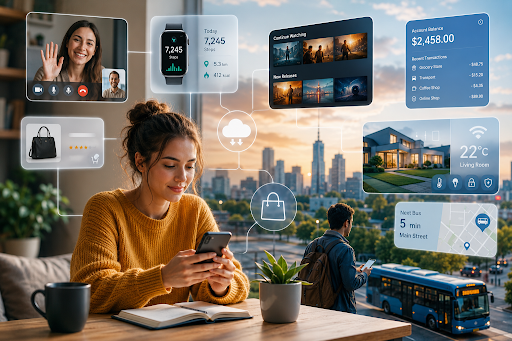
Modern lifestyle trends often emerge from changes in technology, and those trends continue to affect how people spend time, interact with others, and organize their lives.
People no longer rely on a single source for information or entertainment. Online platforms offer countless forms of content, and many individuals choose activities based on convenience and personal interests. Discussions about digital leisure frequently include platforms such as Gambloria, which reflects how internet-based services now form part of wider entertainment habits. At the same time, consumers continue to evaluate how technology fits into their schedules, budgets, and long-term goals.
The relationship between technology and lifestyle trends continues to evolve because innovation changes expectations. When new tools become accessible, people often adjust routines to match new possibilities. This process affects individuals, families, workplaces, educational institutions, and local communities.
Digital Entertainment Choices in a Connected World
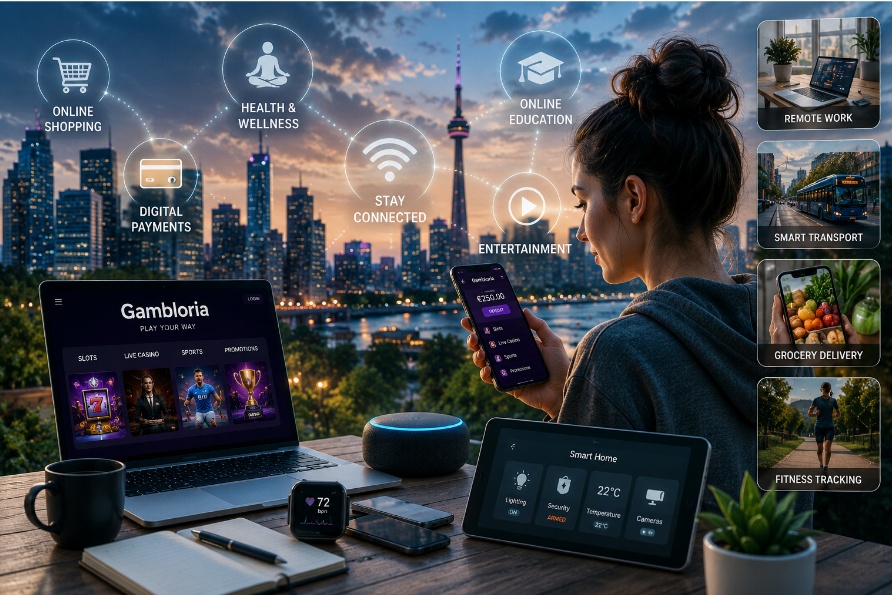
As technology continues to shape modern leisure habits, many users look for platforms that combine accessibility with a straightforward digital experience. Gambloria fits into this trend by offering convenient access across different devices, allowing users to engage with entertainment without depending on a specific location or schedule. The platform supports modern expectations regarding navigation, account management, and content availability, which aligns with broader lifestyle changes driven by mobile technology and constant internet connectivity.
Many consumers now prefer services that integrate smoothly into their daily routines. Gambloria reflects this shift through mobile compatibility, a wide range of entertainment options, and features designed for quick access. These characteristics illustrate how digital platforms continue to influence the way people spend their free time in an increasingly connected environment.
Technology as a Daily Companion
Most adults interact with digital devices many times throughout the day. Phones, tablets, computers, smart watches, and connected household products support a wide range of activities.
Many common tasks now take only a few minutes:
- Paying bills
- Ordering groceries
- Booking transportation
- Scheduling appointments
- Accessing educational resources
- Communicating with friends and relatives
A decade ago, several of these actions required phone calls, physical paperwork, or in-person visits. Today, people complete them from almost any location with internet access.
This shift influences expectations. Individuals often prefer quick access to information and immediate confirmation of transactions. As a result, businesses, institutions, and service providers continue to adjust their systems to meet changing consumer behavior.
Changes in Communication Habits
Communication represents one of the most visible examples of technology's impact on lifestyle patterns.
People exchange messages instantly regardless of distance. Video calls allow families to stay connected across different regions. Professional teams collaborate through digital workspaces without sharing the same office.
These developments create several noticeable effects.
|
Communication Trend |
Common Result |
|
Instant messaging |
Faster conversations |
|
Video meetings |
More remote collaboration |
|
Social platforms |
Larger digital networks |
|
Group chats |
Continuous communication |
|
Mobile access |
Contact from almost anywhere |
While technology increases convenience, it also creates new challenges. Many individuals struggle to separate personal time from professional responsibilities. Notifications often arrive throughout the day, making it harder to disconnect completely.
As a result, digital well-being has become an important lifestyle topic. More people now set limits on screen time or schedule periods without devices.
Health and Personal Wellness
Technology plays a growing role in health management.
People track physical activity, monitor sleep quality, record dietary habits, and follow exercise programs through digital applications. Wearable devices collect information that helps users understand daily patterns.
This trend reflects a broader interest in personal wellness. Instead of relying solely on occasional medical visits, many individuals prefer continuous access to health-related information.
Several factors support this shift:
- Greater awareness of preventive care
- Easier access to health data
- Availability of fitness guidance
- Better tracking of long-term habits
- Increased interest in personal accountability
Technology does not automatically improve health outcomes. People still need discipline and informed decision-making. However, digital tools give users more information than previous generations could access on a daily basis.
Mental health discussions have also expanded through online communities and educational resources. Individuals can learn about stress management, sleep quality, and emotional well-being from a wide range of sources.
The Evolution of Shopping Behavior
Consumer habits continue to change as digital commerce grows.
Many shoppers research products online before making purchases. They compare prices, read reviews, and evaluate features without visiting physical stores. Some consumers complete the entire buying process online, while others combine digital research with in-store visits.
Technology affects shopping in several ways:
- Faster product discovery
- Expanded access to reviews
- Personalized recommendations
- Digital payment methods
- Simplified delivery tracking
These developments influence expectations regarding convenience and speed.
Consumers increasingly expect clear information, secure payment systems, and straightforward purchasing processes. Businesses respond by improving digital experiences and strengthening online customer support.
Shopping behavior now reflects a combination of technology, personal preferences, financial priorities, and time management.
Entertainment in a Connected Environment
Entertainment habits have changed dramatically over the last two decades.
People consume content through streaming services, gaming platforms, social communities, podcasts, and interactive media. Mobile access allows users to engage with entertainment during travel, work breaks, or time at home.
Several trends contribute to this shift.
First, audiences enjoy greater control over when they access content. Traditional schedules no longer determine viewing times for many forms of media.
Second, content libraries continue to expand. Individuals can choose material that matches specific interests rather than relying on limited selections.
Third, participation has become more interactive. Users comment, share opinions, join communities, and contribute content instead of acting only as viewers.
These changes influence broader lifestyle choices because entertainment occupies a significant portion of leisure time.
Work Patterns and Professional Life
Technology has changed how people approach employment and career development.
Remote work became more common as communication platforms improved. Many organizations now support hybrid arrangements that combine office attendance with home-based work.
This transition affects several aspects of daily life.
Commuting patterns differ from previous generations. Workers may spend less time traveling and more time managing responsibilities from home. Some individuals choose residential locations based on lifestyle preferences rather than office proximity.
Digital tools also support continuous learning. Professionals can access courses, certifications, and training programs through online platforms.
As industries continue to evolve, workers increasingly update skills throughout their careers rather than relying solely on formal education completed earlier in life.
Financial Management in the Digital Age
Financial technology influences spending, saving, and budgeting habits.
People monitor accounts through mobile applications and receive instant notifications regarding transactions. Digital payment methods simplify purchases and reduce dependence on physical cash.
Several common financial activities now occur online:
- Budget tracking
- Bill payments
- Savings management
- Investment monitoring
- Financial education
These tools help users maintain awareness of personal finances.
However, increased digital activity also creates security concerns. Consumers must remain alert to scams, fraudulent messages, and unauthorized account access. Digital literacy therefore plays an important role in modern financial management.
Smart Homes and Connected Living
Many households now include connected devices that support convenience and efficiency.
Smart lighting systems, security cameras, thermostats, voice-controlled assistants, and automated appliances represent common examples.
People often adopt these products for practical reasons. Automated systems can help manage energy consumption, improve household security, and simplify routine tasks.
Connected living continues to expand because technology becomes more accessible over time. As adoption grows, consumers evaluate how these tools fit into everyday routines and long-term household planning.
Not every household embraces the same level of connectivity, but the overall trend points toward greater integration of digital systems within living spaces.
Transportation and Mobility
Technology influences how people move through cities and regions.
Navigation applications help drivers avoid traffic congestion. Public transportation systems offer real-time updates. Ride-booking services provide alternatives to traditional transportation methods.
These tools affect decision-making in several ways.
People often choose routes based on current conditions rather than fixed habits. Travelers access information instantly, allowing them to adjust plans when circumstances change.
Electric vehicles, charging infrastructure, and transportation software continue to shape discussions about future mobility. Consumers increasingly consider technology when evaluating transportation options.