Oct5
Scottish Country Dancing
Mon, Oct 5 · 7:00 pm
St Andrew’s Presbyterian Church 261 Christina St N Sarnia, ON

Administrator Carolyn Hodges says transportation barriers and a smaller labour pool in Forest made it harder to staff up in 2023-24, but new data shows the home is now exceeding provincial standards.
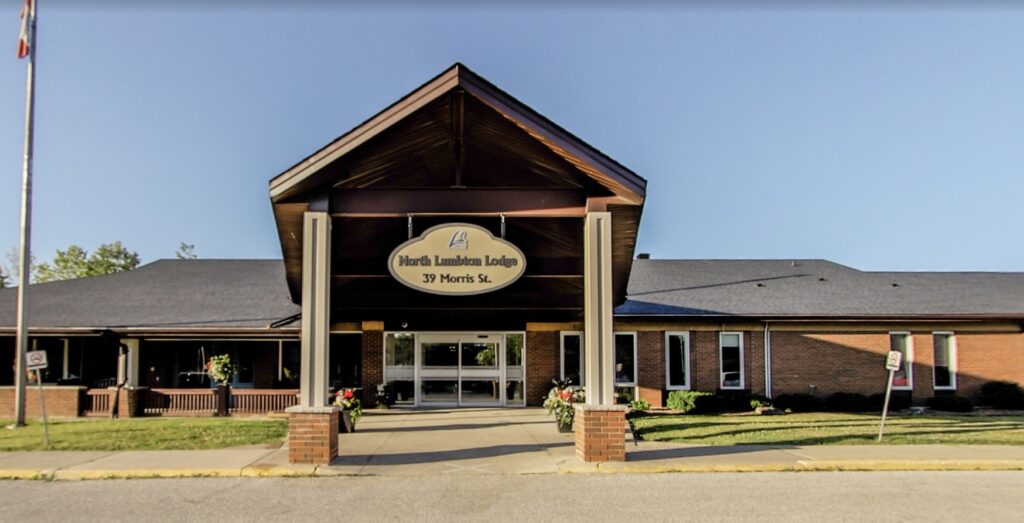
North Lambton Lodge says unique rural challenges were the primary reason it failed to meet provincial hands-on care targets last year, becoming the only municipal home in Lambton County to miss the mark.
In a recent report by The Sarnia Journal, data from the Ministry of Long-Term Care revealed that North Lambton Lodge averaged 3.44 hours of direct care per resident per day in 2023-24, falling short of the 3.7-hour provincial target.
While the other two county-run homes—Marshall Gowland Manor in Sarnia and Lambton Meadowview Villa in Petrolia—comfortably exceeded the standard, the Forest-based facility faced obstacles its urban counterparts did not.
Administrator Carolyn Hodges explained that while provincial funding to hire more staff was available, finding people to fill those roles in Forest proved difficult.
"The 2023-2024 fiscal year reflects a time when provincial funding increased faster than local labour markets could sustain," Hodges told The Journal.
She noted that unlike Marshall Gowland Manor, which draws from Sarnia’s larger urban population, North Lambton Lodge relies on a narrower local workforce. The lack of public transit options in Forest further complicates recruitment.
"North Lambton Lodge…faces recruitment and retention challenges due to its rural location and limited transportation options in the area," Hodges said. "Its distance from larger urban centres requires transportation, whether public or private, for staff to reach the Home."
Despite the challenges in 2023-24, the home appears to have turned a corner. Hodges provided updated internal data for late 2024 and 2025, showing that staffing levels have since stabilized and risen above the provincial requirements.
Between October 2024 and June 2025, the home averaged 3.82 hours of care per resident per day. In the most recent quarter (April to June 2025), that number climbed to 4.1 hours—well above the upcoming 2025 provincial target.
Hodges attributed the improvement to expanded staffing complements and new strategies to streamline hiring.
"We’re working to continue this progress through ongoing recruitment, streamlining our intake process for new staff, optimizing scheduling to maximize direct care hours, and continuing to partner with local education and employment programs," she said.
Hodges also noted that official provincial calculations for "hands-on care" do not include hours worked by Allied Health Professionals, meaning the total support residents receive is often higher than the primary metric suggests.
Mon, Oct 5 · 7:00 pm
St Andrew’s Presbyterian Church 261 Christina St N Sarnia, ON
Tue, Oct 6 · 5:30 pm
The Bridge Patisserie Café 12 Michigan Ave Point Edward Point Edward, ON
Tue, Oct 6 · 6:00 pm
Black Gold Brewery 395 Fletcher St Petrolia, ON
A division of Sarnia Media Group Inc.
Locally Owned and Operated
© 2026 The Sarnia Journal