
Sarnia made the right decision by donating land for Indwell to build supportive housing. But the backlash from some residents has been disappointing. Signs like “We’re already doing our part” […]
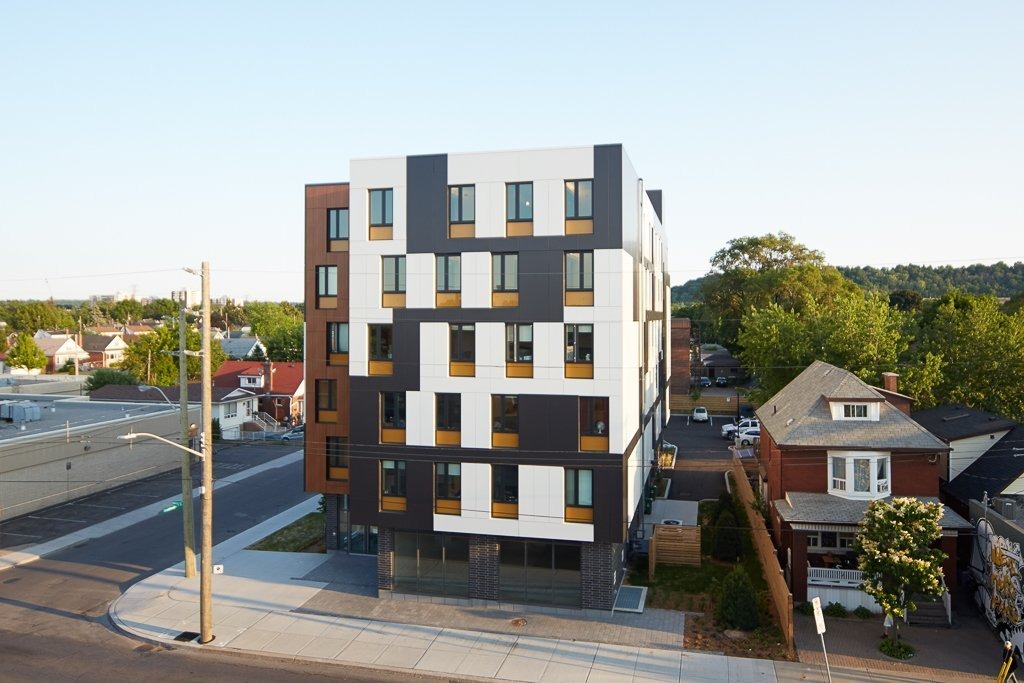
Sarnia made the right decision by donating land for Indwell to build supportive housing. But the backlash from some residents has been disappointing. Signs like “We’re already doing our part” suggest that the city’s responsibility ends where someone’s property line begins.
Let’s ask the question we’re all avoiding: what is a human life worth?
In Canada, the federal government uses a benchmark to decide when to implement safety regulations. It's about $10 million—that’s the amount the government is willing to spend to prevent one death. We use that number to justify seatbelts, traffic signals, clean air laws, and more. But when it comes to people living on ODSP or sleeping in tents, that logic disappears.
Supportive housing—what Indwell is proposing—isn’t just compassionate. It’s also the smartest, most cost-effective policy available. And yes, it saves lives.
Studies from across Canada and the U.S. show that every dollar spent on supportive housing returns between $1.44 and $2.50 in savings. That’s money we would otherwise spend on hospital stays, ambulance rides, police calls, court appearances, jail time, and emergency shelters. In Sarnia, we already spend hundreds of thousands annually just reacting to homelessness. We could be solving it for less.
A hospital stay for someone without stable housing can cost over $16,000. A year in jail can cost upwards of $120,000. Supportive housing with wraparound care? About $20,000 a year. The math isn’t complicated. We can pay for survival, over and over again. Or we can invest in stability.
Utah, one of the most conservative states in the U.S., reduced chronic homelessness by 91% using Housing First. Why? Because it was cheaper. They didn’t adopt the program out of progressive idealism—they ran the numbers and realized it was the fiscally responsible thing to do. If Utah can figure that out, surely the oil capital of Ontario can too.
And no—supportive housing doesn’t “bring crime” to your doorstep. Quite the opposite. When people have stable housing, they’re less likely to commit survival-based offenses like trespassing or petty theft. They're less likely to end up in ERs or handcuffed on the sidewalk. Denver saw arrests drop by 52% among Housing First participants. Toronto, New York, and Seattle saw reductions in police time, jail stays, and emergency response calls.
This is not about rewarding bad behavior. It’s about recognizing that homelessness isn’t caused by moral failure. It’s caused by systems that let people fall through the cracks—and then blame them for landing there. Nobody chooses to live in a tent. Nobody dreams of lining up for a shelter bed. People are products of their circumstances. And when we withhold help, we’re not upholding values—we’re denying people their humanity.
Canada spends $100,000 to $150,000 to educate every child through public school. We make that investment automatically, without hesitation, because we believe in their future. But when adults fall on hard times, we suddenly can't afford even a fraction of that to keep them alive and sheltered? That’s not about money. That’s about stigma.
Let’s be honest: there is nothing fiscally responsible about gutting social programs and then rejecting the solutions that actually work. That’s not saving money—it’s wasting it. Worse, it’s performative cruelty that pretends to be prudence. We already pay for homelessness—we just do it in the most expensive, least effective way possible.
Supportive housing isn’t radical. It’s practical. It’s proven. It’s the kind of policy that satisfies both your head and your heart. So ask yourself this: if you lost everything tomorrow—your job, your health, your home—what would you want your community to do?
And more importantly, what price would you put on your own life?


