
Last week, I explored how growing secularism in Sarnia is shifting us from a spirit of “How can I help?” to a mindset of “What’s in it for me?” This column, […]
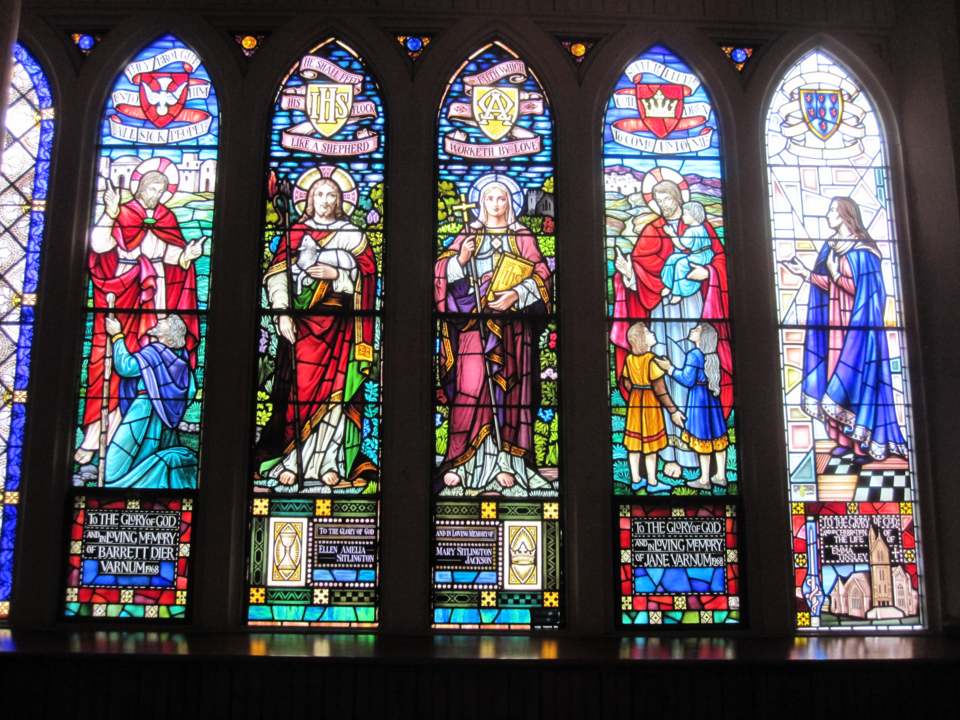
Last week, I explored how growing secularism in Sarnia is shifting us from a spirit of “How can I help?” to a mindset of “What’s in it for me?” This column, I delve into the cross, a symbol that once stood at the heart of our society and consider its role in shaping our past and its relevance to our future. This isn’t about mandating belief; it’s about recognizing a historical truth and its impact on where we stand today.
In Canada and the United States, the foundations of our charters were deeply rooted in the Bible, with laws reflecting a Christian-Judaic tradition built on justice, mercy, and love. Leaders like John Adams, who called the Bible the cornerstone of American liberty, and Canada’s early Fathers of Confederation, many of whom professed faith in God and Jesus, saw this as the bedrock of their vision. At the center of that belief was the cross, a symbol immortalized in Galatians 6:14: “May I never boast except in the cross of our Lord Jesus Christ, through which the world has been crucified to me, and I to the world.” This wasn’t just rhetoric, it shaped the principles that guided our nations.
The cross embodies sacrifice, exemplified by Jesus, who, though sinless, endured a brutal and shameful death on the cross. Crucifixion, a Roman punishment for the worst offenders, was borne willingly by Him to offer hope to humanity. John 3:16 captures this: “For God so loved the world that he gave his one and only Son, that whoever believes in him shall not perish but have eternal life.” This act became a model for our lives, inspiring husbands and wives to lay down their desires for each other, parents to nurture their children, and individuals to serve their communities. Work, too, became a daily sacrifice, pouring time and energy into the future, as Colossians 3:23 urges: “Whatever you do, work at it with all your heart, as working for the Lord, not for human masters.” Even our paychecks reflect this, sacrificed now for retirement or to put food on the table later.
Yet, as we move away from this cross-centric foundation, troubling signs emerge. Marriage and childbirth are declining, with children often viewed as costly burdens or replaced by pets. Research from the Harvard Study of Adult Development shows that sacrifice, like investing in others, boosts happiness and health, while self-interest fuels loneliness, a trend mirrored in our rising medication use. Without this sacrificial framework, we lose the drive to build a future. A society without the cross lacks a clear foundation for what “good” or “kind” means. Laws promoting non-discrimination can inadvertently discriminate against others, and free speech is curtailed unless it aligns with current government views. Without sacrifice, self-interest takes hold, leaving people chasing pleasure over purpose, which fuels depression, anxiety, and loneliness. Homelessness, mental illness, and medication use seem to rise as we drift from these values.
Ironically, we live in the best of times, abundant food, energy, and medical care, the most welcoming era for diverse identities. Yet, we’re also the most medicated and obese society in history, with problems multiplying fast. My reflections this week reinforce this. Canada’s Christian roots shaped laws balancing individual rights with societal good, as seen in the Seaway Kiwanis Club’s $4 million investment over decades to create the Children’s Animal Farm. The Inn of the Good Shepherd began with church-led meals, a sacrifice now fading as volunteers age and paid staff take over. Since the pandemic, division has soared, and lying (beneficial to individuals) harms the collective. Politicians, once guided by service, now prioritize re-election, some serving only to win votes. Historically, as governments move from cross-based ideals, tyranny emerges. Stalin and Mao’s regimes, claiming 30-100 million lives, based their rule on power, not people. If Canada moves away from this foundation, what will ground our laws? Why avoid lying if it’s just personal gain? Governments, meant to serve, are increasingly self-serving, risking a slide toward control. The cross offered a vision of sacrifice for others, a proven framework that built our societies. As we step away from the cross, the correlation with our struggles grows. Let’s consider this history as we shape Sarnia’s future, not as a call to faith, but as a call to reflect on what once united us. The cross, a call to sacrifice.


