
The 2026 municipal election will shape Sarnia for years to come. At a time when communities across Ontario are facing pressure from rising costs, housing shortages, infrastructure strain, and changing demographics, […]
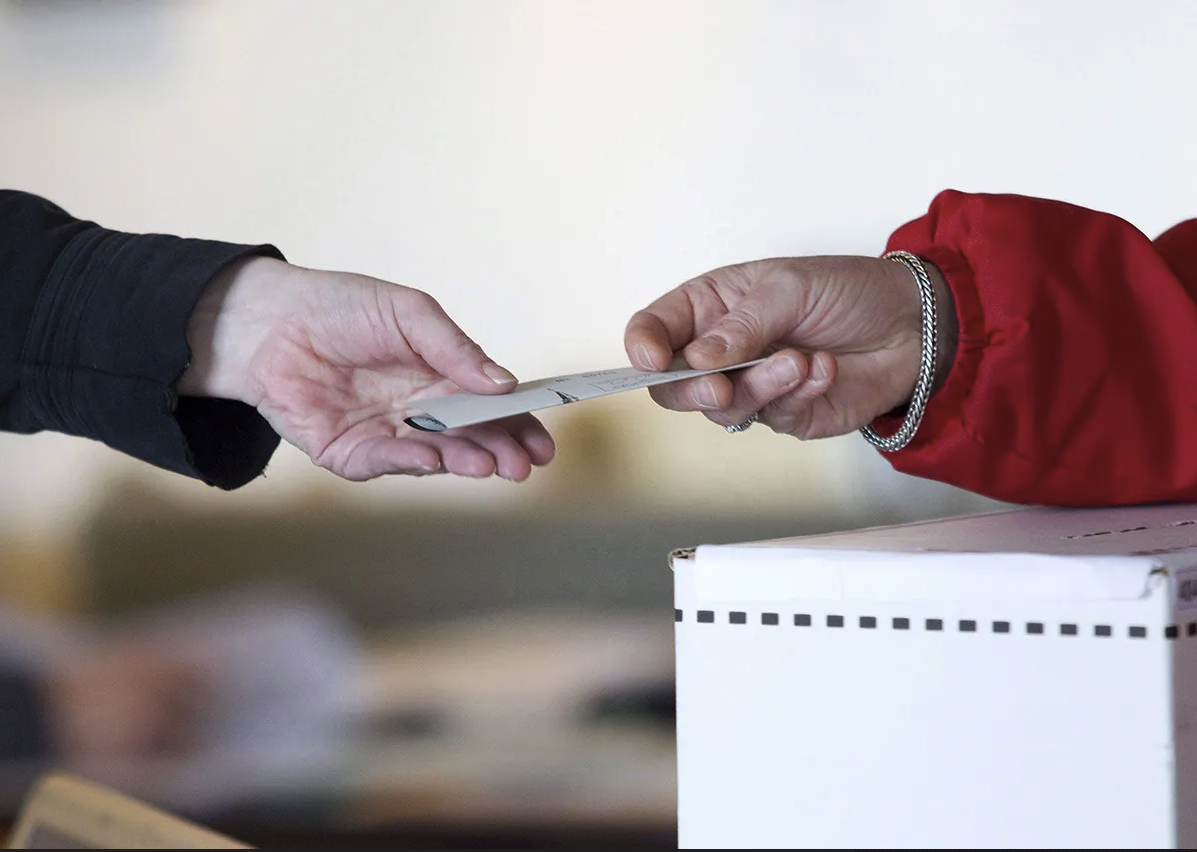
The 2026 municipal election will shape Sarnia for years to come. At a time when communities across Ontario are facing pressure from rising costs, housing shortages, infrastructure strain, and changing demographics, local government has never played a more direct role in residents’ daily lives.
Yet municipal elections continue to see some of the lowest voter turnout in Canada.
That gap matters. Because the decisions made at city hall and county council tables affect everything from property taxes and transit routes to housing approvals, policing budgets, road repairs, environmental protections, and social services. In 2026, those decisions will carry unusually high stakes for this region.
Local councils are responsible for the services people rely on most. They approve multi-million-dollar budgets. They set development rules. They decide how public land is used. They determine how much is invested in recreation, transit, housing, and community programs.
In Sarnia, these choices directly affect affordability, economic stability, and quality of life.
Whether it is funding for homelessness prevention, maintenance of aging infrastructure, climate adaptation along the waterfront, or support for downtown revitalization, municipal councils shape outcomes long before provincial or federal governments become involved.
A strong local government does not happen by accident. It depends on who is elected and how accountable they are to residents.
Sarnia-Lambton is entering a period of significant transition.
The region is balancing the legacy of its industrial economy with efforts to diversify into clean energy. It is confronting housing shortages and rising rents. It is responding to an aging population while also trying to retain young workers and families. It is managing environmental risks alongside economic development. It is grappling with the local effects of provincial health-care cuts and social system strain.
At the same time, municipalities are being asked to do more with limited resources. Downloaded responsibilities, inflation, and infrastructure backlogs have placed growing pressure on local budgets.
Decisions made in the next council term will influence how successfully the region adapts.
This election will help determine whether Sarnia moves forward with long-term planning or continues reacting to short-term crises.
Municipal elections often see turnout rates well below provincial and federal levels. In many Ontario communities, fewer than half of eligible voters cast a ballot. In Sarnia, that participation rate was 40.41 per cent in 2022.
Low turnout concentrates power in the hands of a small segment of the population. It makes organized interest groups more influential. It reduces accountability. It discourages diverse voices from entering public life.
Data shows that only 23 per cent of voters aged 18 to 34 participated, compared with 40 per cent of those aged 35 to 64, and 53 per cent of residents over 65. In practice, this means municipal priorities are shaped largely by older voters, while younger adults, renters, and working families are significantly underrepresented.

When more residents vote, councils better reflect the full community: renters and homeowners, young adults and seniors, workers and business owners, newcomers and long-time residents.
Higher participation produces stronger mandates and clearer public direction.
Democracy works best when it is broadly shared.
Municipal councillors and mayors are the most accessible level of government. They attend local events. They respond to emails. They vote on motions that affect neighbourhoods street by street.
Voting is the primary way residents evaluate that work.
Participation signals that decisions are being watched. It reinforces ethical standards. It encourages transparency. It reminds elected officials that public trust must be maintained, not assumed.
Communities that vote consistently tend to see stronger engagement between residents and councils.
When voters stay home, decisions still happen.
Budgets are still passed. Developments are still approved. Services are still cut or expanded. Policies still shape daily life.
Disengagement does not prevent change. It simply removes public influence from it.
Over time, low participation weakens institutions and deepens public cynicism. It creates space for misinformation, polarization, and frustration.
Strong local democracy is one of the most effective protections against those trends.
The 2026 election is not only about choosing candidates. It is about setting priorities.
It is about deciding what kind of growth is acceptable. How affordability will be addressed. What level of investment will be made in youth, seniors, and vulnerable residents. How environmental responsibilities will be balanced with economic opportunity. How transparent decision-making should be.
These are not abstract questions. They affect daily life in Sarnia.
Voting is how residents answer them.
Unlike many higher levels of government, municipal councils make decisions that remain visible for decades. Roads, parks, zoning plans, housing developments, and public facilities shape communities long after election cycles end.
The people elected in 2026 will leave a physical and social footprint on the region.
Future residents will live with the results.
Voting is often framed as a duty. It is also an investment.
It is an investment in services that function. In neighbourhoods that remain livable. In institutions that remain credible. In leadership that reflects community values.
It is one of the simplest ways residents can influence long-term outcomes.
Sarnia is facing real choices about its future. Growth, affordability, infrastructure, environmental stewardship, and social stability are all on the table.
The 2026 municipal election will help determine how those challenges are met.
It deserves attention. It deserves scrutiny. It deserves participation.
Local democracy is strongest when residents show up.
In 2026, that matters more than ever.


