

Oct20
Meat Raffles @ Black Gold Brewery
Tue, Oct 20 · 6:00 pm
Black Gold Brewery 395 Fletcher St Petrolia, ON
Two Sarnia-Lambton FASD network members share their experiences with education, community support and misconceptions, as a local committee works to build awareness throughout the year.
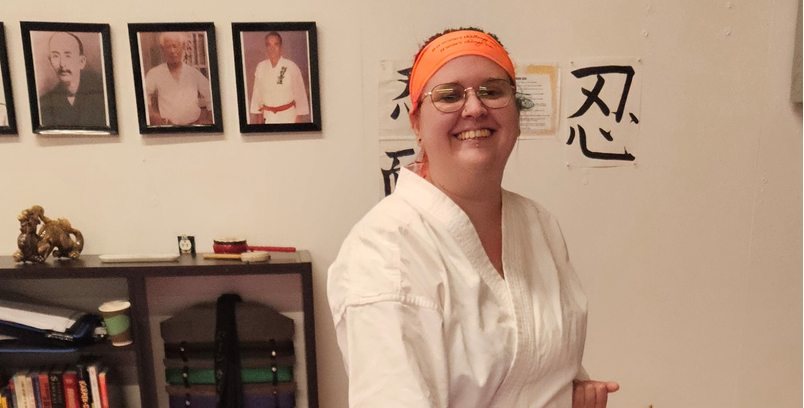
When Jess Fowler was diagnosed with fetal alcohol spectrum disorder at 12, Fowler’s grandparents were told Fowler would remain dependent on them for life.
Today, Fowler is attending college for the second time, has a driver’s licence and describes living like other young adults.
There have been challenges with education and social skills along the way. But community resources, including Rebound, have helped Fowler move forward.
“Just because you know someone who has FASD doesn’t mean that we are all the same, we all have our own skills and hardship,” Fowler wrote in responses shared with The Journal.
Fowler and David, two members of the Sarnia Lambton FASD Network Committee with lived experience of the disability, are sharing their stories as the group works to extend awareness beyond September’s FASD Awareness Month.
FASD is a lifelong disability affecting the brain and body of people exposed to alcohol before birth. According to the Canada FASD Research Network, each person has a different combination of strengths and challenges and may need support with aspects of daily life.
For David, memory and executive functioning are among the biggest daily challenges. But separating the effects of FASD from other parts of his life is not always straightforward.
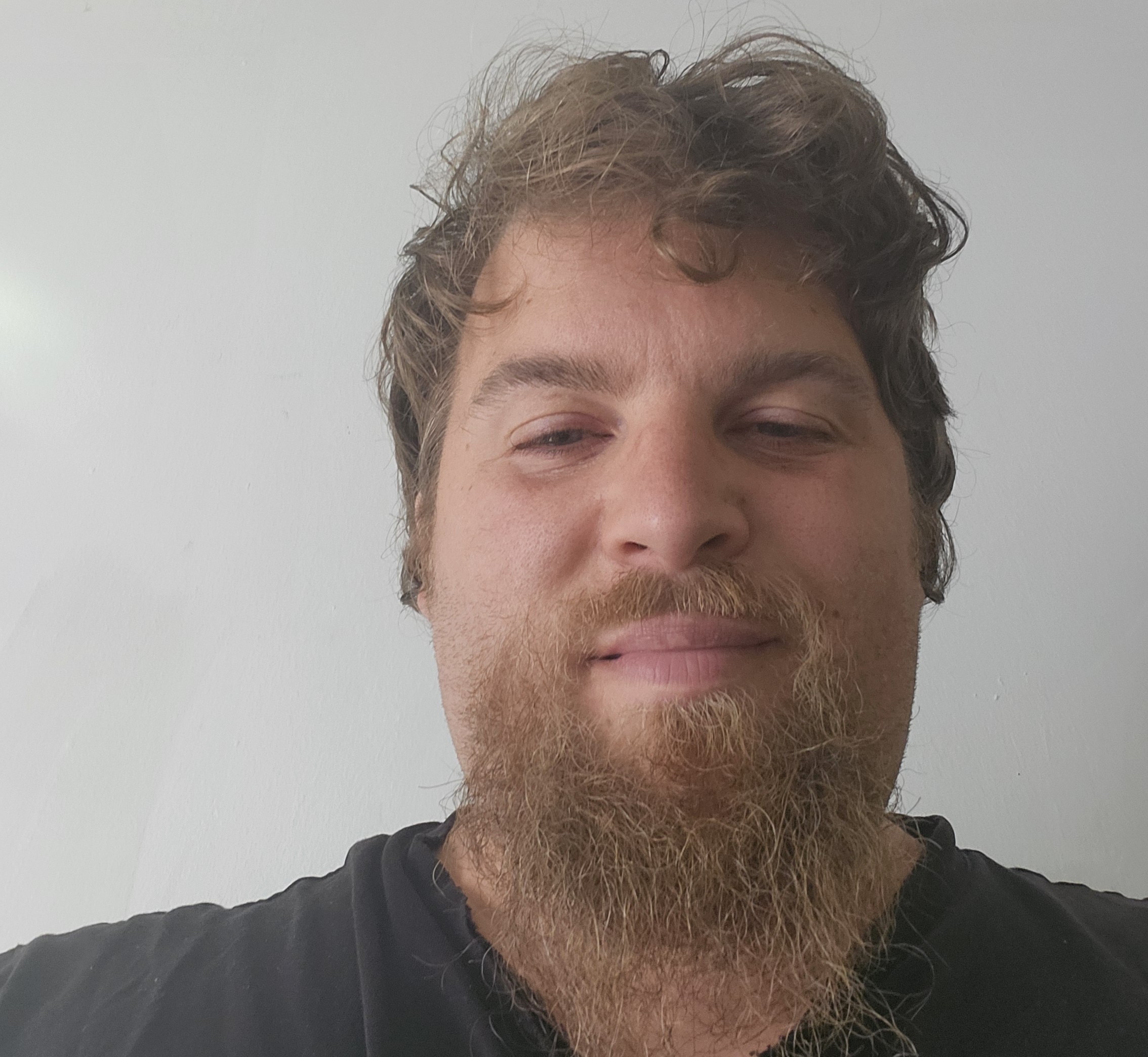
“Living with FASD is difficult to describe because it’s the only life I’ve ever known,” he wrote.
Born in Burlington, David later moved with his family to Sarnia to live with his grandmother. He graduated as an Ontario Scholar and received the Principal’s Gold Award, then continued his education through college and online courses at Athabasca University.
He also took part in the Great FASD Horseback Ride Across Canada, an experience he described as life-changing.
David said the local network helped him discover a role in teaching others about FASD, while connecting him with people he might otherwise never have met.
“I am resilient, determined, caring and love authenticity. I see the beauty in the world and feel very deeply, I love the way my brain works!”
For Fowler, finding others with similar experiences has helped ease a sense of isolation.
“They have made me feel a lot less alone,” Fowler wrote of the network and local resources. “I thought FASD was more rare because I did not know anyone else with a diagnosis but with these resources I have found people who are similar to me and share the same struggles.”
Fowler described having to learn different ways of approaching tasks that other people might find easy, and noticing connections others overlook.
Both respondents want the community to better understand people living with FASD.
David said many people he encounters do not know what the disability is. He also challenged the assumption that people with FASD necessarily use drugs or alcohol themselves.
He would like greater FASD education across schools, workplaces, community services and police, along with help finding employment suited to individuals’ abilities and interests.
More opportunities to connect socially with others who have FASD would also help, he said. Difficulty interpreting social cues can lead to misunderstandings, and finding people around whom he does not feel the need to mask can be difficult.
Fowler’s advice to families and others offering support is to provide gentle guidance, explain why something matters and respect a person’s decisions.
David encouraged individuals and families to keep advocating for the resources they need.
“Remember that you are not broken. Your brain works differently, and that difference is part of your experience and perspective.”
Karen Holland, a FASD family resource worker at Pathways Health Centre for Children, co-chairs the local network committee with Amy Burrows of Lambton County Developmental Services.
Holland described the committee as a collective bringing together 15 local organizations, a caregiver representative and people with lived experience to align supports for individuals and families affected by FASD.
The committee has created a community survey as part of its ongoing awareness work.
“September may be FASD Awareness month but we are trying to get more awareness all year long,” Holland wrote in an Oct. 2 email.
Information about local resources is available through the Pathways FASD Resource Hub. Readers can complete the Sarnia-Lambton FASD Community Voice Survey online. For more information, contact Holland at [email protected] or 519-542-3471, ext. 1304.
Tue, Oct 20 · 6:00 pm
Black Gold Brewery 395 Fletcher St Petrolia, ON
Tue, Oct 20 · 7:00 pm
St Michael and the Angels (formerly All Saints) Anglican Church 248 Vidal Street North Sarnia, ON
Tue, Oct 20 · 7:00 pm
Cogeco Your TV Channel 6 – HD Channel 700 [OR] Stream with Epico App Sarnia, ON