Oct22
Sarnia Artists’ Workshop Awards/ Peg Kivi Solo Exhibition
Thu, Oct 22 · 11:00 am
The Lawrence House Centre for the Arts 127 Christina St. South Sarnia, ON
COPA Flight 7 helped convince Sarnia that its airport was worth preserving. Its next mission should be helping residents, businesses and community organizations take part in shaping what the airport becomes.
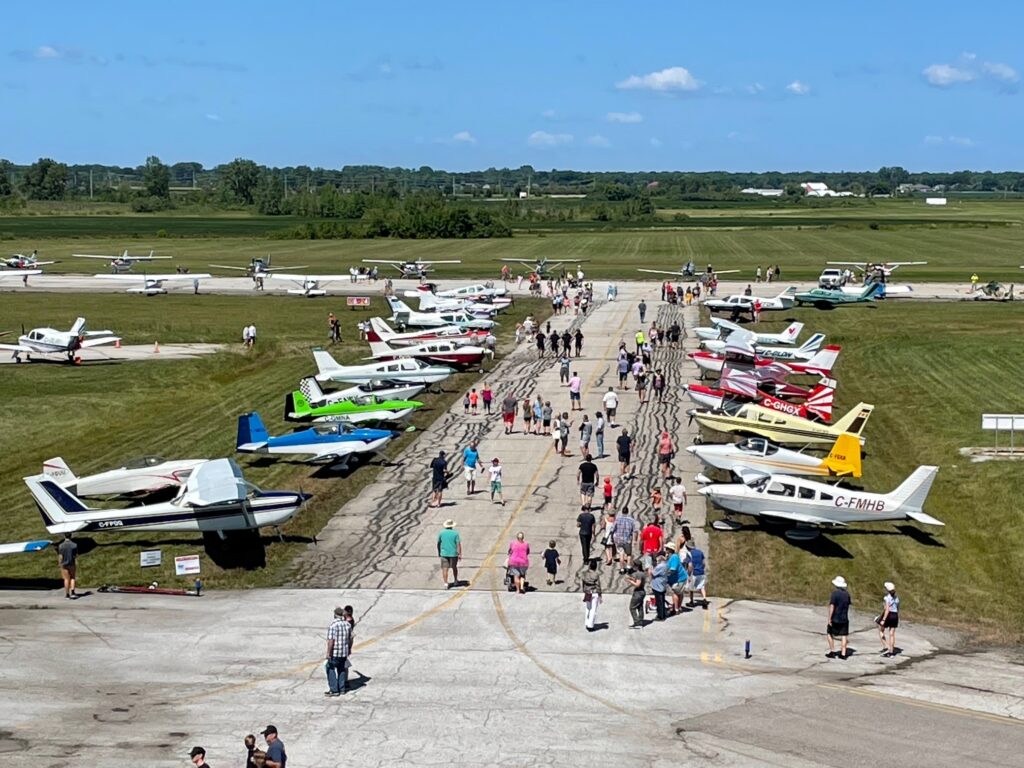
For several years, COPA Flight 7 faced a straightforward but difficult task: convince Sarnia that its airport was worth saving.
That argument has largely been won.
The city has committed to retaining Sarnia Chris Hadfield Airport, created a municipal services corporation to oversee its future and begun a year-long transition toward a new operating model.
COPA’s work, however, should not end with the airport’s survival.
Its next mission may be even more important: helping the wider community determine what the airport can become.
COPA Flight 7 has already demonstrated an ability to make aviation accessible to people who are not pilots.
The local chapter was established in 1997, the same year the City of Sarnia took ownership of the former federally operated airport.
Its SOAR fly-in began in 2021 as the Save Our Airport Rally before becoming the Sarnia Ontario Airport Rally.
The event brought families onto the airport property, placed residents alongside aircraft and allowed people to experience a facility they might otherwise see only from Airport Road. COPA described SOAR as a way to showcase the airport to the community, businesses and potential commercial operators.
That public outreach mattered during the years when Sarnia was debating the airport’s costs, governance and long-term future.
COPA helped broaden the discussion.
It reminded the community that an airport is more than a passenger terminal. It supports flight training, emergency access, aircraft maintenance, corporate travel, industrial activity and general aviation.
COPA Flight 7 also worked with its national organization to provide information to council about the value of community airports and the importance of continued municipal support.
Now the conversation has changed.
Four members of the newly appointed municipal services corporation board attended COPA Flight 7’s Women in Aviation, Business and Community Governance gathering this week.
They joined city economic development director Kelly Provost, MP Marilyn Gladu, four councillors, pilots and community representatives.
The gathering showed what COPA can contribute during the next stage.
The organization will not govern the airport. That responsibility belongs to the municipal services corporation, while the city remains accountable as the owner of the airport and its lands.
COPA does not need formal authority to make a major contribution.
It can bring airport users and directors into the same room. It can connect aviation businesses with community organizations. It can introduce young people to possible careers and help residents understand opportunities involving training, technology, cargo and public safety.
Most importantly, it can help ensure the airport’s future is not discussed only among people who already understand aviation.
Local media host and entrepreneur Dave Burrows raised the essential question during the meeting: how can the airport develop broader community involvement and buy-in?
That question goes to the heart of COPA’s emerging role.
Saving the airport required demonstrating its value to the public.
Building its future will require giving the public meaningful ways to participate.
Gladu suggested an open town-hall-style gathering where residents, businesses and organizations could bring forward ideas and discuss them together.
COPA should help make that happen.
The organization has the aviation knowledge needed to assess whether ideas are operationally practical. It also has the community credibility and event experience needed to welcome people who might never otherwise attend an airport meeting.
A genuine public discussion could include local industries considering transportation and technology needs, schools exploring aviation education, emergency organizations discussing regional response capacity, and residents proposing ways to make the airport more connected to the community.
It should also reach people who do not presently see themselves as part of aviation.
The airport’s future may matter to students considering careers, companies looking for development space, technology firms working with autonomous systems, families attending SOAR and residents interested in protecting valuable public infrastructure.
COPA is particularly well suited to connect those groups.
Its members have practical aviation experience, but the chapter has also shown that it can operate beyond the confines of a traditional pilots’ club.
SOAR became a community event precisely because COPA understood that the airport needed support from people who might never own an aircraft.
The same principle applies now.
The airport’s new board will need time to establish policies, recruit leadership and prepare for the operational transition. It will also need partners prepared to offer expertise, develop ideas and maintain a connection with the public.
COPA can be one of those partners while remaining independent of both the city and the corporation.
Its value lies in its ability to advocate for aviation, educate the public and bring different groups together.
Sarnia has moved beyond the question of whether it should have an airport.
The more important question now is what kind of airport it should have, and how the facility can best serve the economic, transportation and community needs of the region.
COPA Flight 7 helped preserve the opportunity to answer that question.
Its next contribution should be helping all of Sarnia take part in the answer.
 Sarnians4Palestine asks candidates how they would support First Nations consultation on pipeline
 Ontario Command takes control of Sarnia Legion Branch 62
 Sarnia and Point Edward receive $482,274 in casino revenue payments
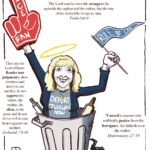 W.W.G.D? (What Would Gladu Do?) By SPROINK!
 Vote for Mario Fazio for City/County Council
Thu, Oct 22 · 11:00 am
The Lawrence House Centre for the Arts 127 Christina St. South Sarnia, ON