Oct22
Ontario government underfunding Community Physiotherapy Clinics
Underfunding by the Ontario Ministry of Health is a leading factor, according to the Ontario Physiotherapy Association, a non-profit advocating for the more than 200 clinics that offer the government funded Community Physiotherapy Clinic programs across the province.
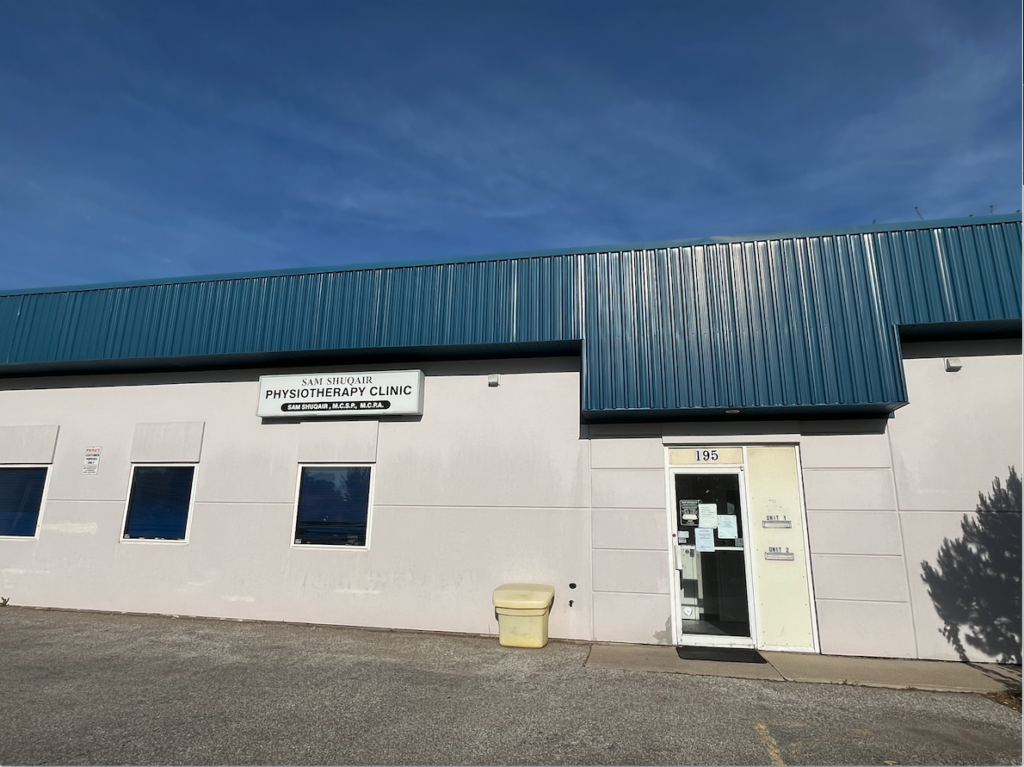
For the last decade, Sal Shuqair has practised physiotherapy with the hope of one day taking over Shuqair Physiotherapy, his father’s clinic, which has operated in Sarnia for more than 30 years.
Nowadays, however, he worries the clinic’s commitment to offering care through the government-funded Community Physiotherapy Clinic (CPC) program, and to their nearly 600 patients enrolled is not sustainable at the current funding rate offered by the Ministry of Health.
“A patient could come in 100 times,” said Shuqair, “the funding doesn’t increase."
The funding offer covers a one-time amount per patient of $334.38 meant to cover any number of physiotherapy sessions that may be required.
Since the CPC program began 13 years ago in 2013, government funding has risen by only $22.38.
More than 200 participating clinics across Ontario were asked by the Ministry of Health to sign the 2026-2028 financial agreement.
The Ontario Physiotherapy Association, a non profit members group which represents more than 5,500 physiotherapists, said more than 80 clinics across the province did not sign the funding agreement by the April 30 deadline.
“The CPC program is like a sinking ship and people are backing out,” said Shuqair.
Funding for the program, “does not reflect the current realities of the cost of delivering care and this gap is only going to widen,” said Ontario Physiotherapy Association CEO Sarah Hutchison.
For context, the price of care in the private sector for physiotherapy can cost $80 or more per session, but within the CPC program, clinics receive less than $30 per hour of care if they offer a patient 12 physiotherapy sessions.
“The cost of providing service has grown more than 40 per cent,” said Hutchison, “but funding has increased less than 7 per cent.”
With overhead costs of rent, utilities, paying staff wages, ensuring equipment is inspected annually and supplies are replaced when broken or the clinic runs out, “the costs are rising each year,” said Shuqair.
Meanwhile, the number of patients seeking care through the program across the province is also steadily rising.
To qualify for CPC programs, patients must be either 65 years or older, 19 years or younger, receiving funding under the Ontario Disability Support Program (ODSP) or Ontario Works (OW) program or be a patient of any age discharged from hospital following an overnight stay within the last year.
The senior population alone in Ontario has risen by almost 1 million people since the start of the program, and more patients across the province are in need of CPC appointments, said Hutchison. “The demand continues to increase and most clinics have waiting lists of approximately three months,” she said.
Like many CPC clinics, Shuqair said his father could not financially afford not to sign the funding agreement and, no matter how much inflation may affect the cost of providing care, is now locked in to that rate until March 2028.
To add insult to injury, even the clinics that did sign the agreement by the deadline are still waiting to be paid by the Ministry of Health for the month of April. No warning was provided to clinics beforehand and no explanation as to why they are still waiting to be paid has been offered by the provincial government. When asked by The Sarnia Journal for an explanation, the Ministry of Health declined to comment.
“We’re in a tough boat, not getting paid,” said Shuqair. “It’s fatiguing and frustrating.”
Shuqair said he started his own petition to raise awareness and presented it to MPP Bob Bailey.
“MPP Bailey has forwarded that information directly to the Minister of Health’s office for review,” said Anthony Rizzetto, media officer for MPP Bob Bailey.
The Ministry of Health declined to comment when asked by The Sarnia Journal if there is reason for patients to be concerned now that there are at least 80 fewer clinics across the province offering CPC appointments to patients in need.
To fill the gap, the Ministry of Health will likely try to “recruit new clinics,” said Hutchison, “which in the current arrangement, is going to be a challenge.”
HAVE YOUR SAY
Are you or someone you know a patient in the Community Physiotherapy Clinic program? Have thoughts or concerns you would like to share with The Sarnia Journal? Email [email protected]
More to read
 Sarnians4Palestine asks candidates how they would support First Nations consultation on pipeline
 Ontario Command takes control of Sarnia Legion Branch 62
 Sarnia and Point Edward receive $482,274 in casino revenue payments
 W.W.G.D? (What Would Gladu Do?) By SPROINK!
 Vote for Mario Fazio for City/County Council
Events
Oct22
Sarnia Police Service Board open meeting
Thu, Oct 22 · 9:00 am
Sarnia Police Headquarters – Community Room
Oct22
Oct22
EarlyON-Nature Park Program
Thu, Oct 22 · 9:30 am
Bridgeview Park 4241-4299 Petrolia Line Petrolia, ON
Oct22