Oct22
EarlyON-Nature Park Program
Thu, Oct 22 · 9:30 am
Bridgeview Park 4241-4299 Petrolia Line Petrolia, ON
Palestinian human rights lawyer Dr. Munir Nuseibah visits Sarnia and London in August for Indigenous-Palestinian dialogues on land, law and decolonization. A community conversation in Sarnia is organized with Aamjiwnaang pipeline opponents.
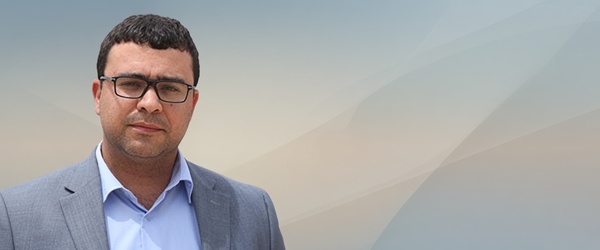
A Palestinian human rights lawyer and legal scholar will join Indigenous community members, students and organizers in Sarnia next month for conversations about land, law and decolonization.
Dr. Munir Nuseibah, an assistant professor in the Faculty of Law at Al-Quds University in Jerusalem, is the visiting scholar for the Indigenous–Palestinian Dialogues on Decolonization initiative. Events take place throughout August and include a community conversation on Aug. 5 at The Lawrence House Centre for the Arts and Maud’s Variety in Sarnia, plus a public lecture on Aug. 11 at the Wampum Learning Lodge at Western University in London.
The program was developed by Sakihitowin Awasis, an assistant professor in the Department of Geography and Environment and the Indigenous Studies Program at Western University. It is designed to create space for reciprocal learning, relationship-building and future research collaborations among Indigenous communities, Palestinian scholars, students and community organizers.
Nuseibah’s work focuses on international law, transitional justice and forced displacement. He is co-founder and director of the Al-Quds Human Rights Clinic — the first accredited clinical legal education program in the Arab world — and director of the Community Action Center in Jerusalem, where he works with Palestinian communities facing displacement and legal challenges. These details match his public academic profile and published research.
“This visit is an opportunity to learn from Indigenous communities whose experiences of protecting their land, resisting colonialism, and asserting their rights offer important lessons. My hope is that our conversations will deepen solidarity and mutual learning, and open new possibilities for collective action,” Nuseibah said in a statement released with the initiative.
The Sarnia portion of the program was developed in collaboration with Indigenous community organizers focused on environmental justice and community well-being, including Aamjiwnaang & Sarnia Against Pipelines (ASAP).
“Communities living with the impacts of colonialism have much to learn from one another. Building relationships across Indigenous and Palestinian communities can strengthen our movements to protect the land and future generations,” said Beze Gray, co-founder of ASAP and an Anishinaabe land and water protector from Aamjiwnaang First Nation.
Gray has spoken previously about the links between local struggles and broader resistance to colonial systems. In a 2024 interview with The Sarnia Journal, they described how reconnecting to culture and language builds “a broader understanding and solidarity for other communities, even like Palestine right now.”
Aamjiwnaang First Nation continues to live with the cumulative effects of industrial activity in the surrounding Chemical Valley. In July the First Nation called for immediate Crown engagement on the proposed Northern Shield pipeline, stating the community is already “living in a state of environmental emergency” amid ongoing air-quality crises, benzene exposure and other harms.
Awasis said the dialogues will explore “shared and distinct understandings of land, law, justice, and decolonization, while recognizing the unique histories, legal orders, and lived experiences that shape each context.”
The initiative aims to build lasting relationships among Indigenous researchers, community organizers and Palestinian scholars through reciprocal learning, community-engaged dialogue and collaborative research.
 Sarnians4Palestine asks candidates how they would support First Nations consultation on pipeline
 Ontario Command takes control of Sarnia Legion Branch 62
 Sarnia and Point Edward receive $482,274 in casino revenue payments
 W.W.G.D? (What Would Gladu Do?) By SPROINK!
 Vote for Mario Fazio for City/County Council
Thu, Oct 22 · 9:30 am
Bridgeview Park 4241-4299 Petrolia Line Petrolia, ON
Thu, Oct 22 · 11:00 am
The Lawrence House Centre for the Arts 127 Christina St. South Sarnia, ON