Oct5
Scottish Country Dancing
Mon, Oct 5 · 7:00 pm
St Andrew’s Presbyterian Church 261 Christina St N Sarnia, ON

The Mastermind Youth Foundation, a local non-profit known for its robotics and sports programs, is asking the City of Sarnia to lend up to an acre of land to launch a new youth-led urban farm focused on food sovereignty and agri-tech.
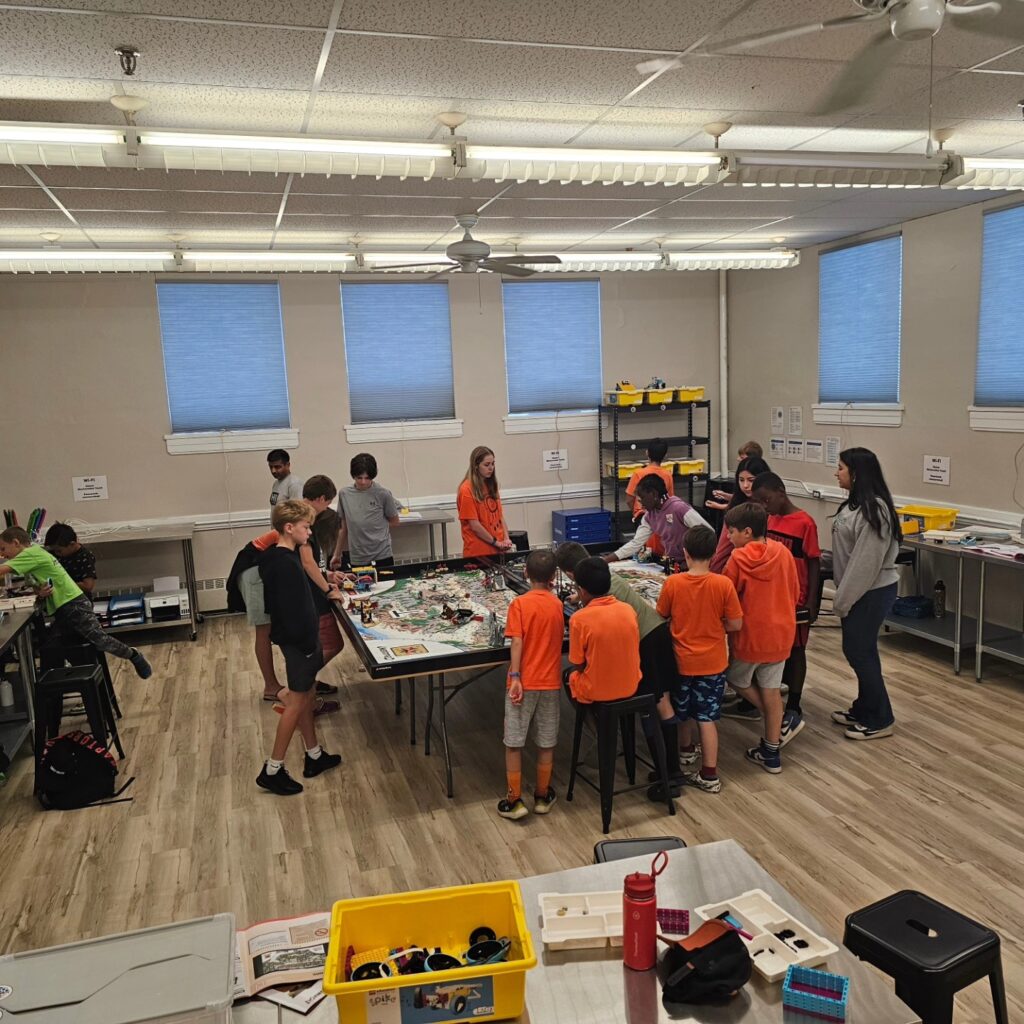
A Sarnia non-profit that has successfully built community programs around robotics and basketball is now looking to branch into agriculture.
The Mastermind Youth Foundation is asking the City of Sarnia for 0.5 to 1 acre of municipal land to create the "Sarnia Food Sovereignty Project," a youth-led, community-powered urban farm.
Jacques Villeneuve, who co-founded the foundation with Sachin Parmar, submitted a delegation request to city council. The group has identified McGibbon Park as a "strategic" and ideal location, as it is currently under-utilized and sits directly adjacent to the foundation's headquarters and classroom space at the Lochiel Kiwanis Community Centre.
According to Villeneuve, the foundation's origin was a passion project between two fathers. He explained that they started by investing their own money, using personal credit cards and lines of credit, to build programs like basketball and robotics for their own children. "If our children like it," he reasoned, "other kids will like it."
That model of personal investment grew into a wider community mission. The foundation now runs multiple initiatives, including competitive robotics clubs and "THE SHORES 3×3 Basketball" program, all aimed at empowering youth, particularly those in minority and rural communities.
This new urban farm project would expand that mission. It is designed to be a vibrant space where Black, Indigenous, and other culturally diverse youth can "reconnect with land, heritage, and health" by growing heritage-specific crops.
The proposal also connects the founders' backgrounds as engineers to the project's high-tech goals. The foundation is requesting city support to facilitate water and electricity access to power garden boxes, hydroponic towers, and a future aquaponics system.
The project would operate as a social enterprise, with produce distributed to local food banks and sold at youth-run market stalls. The foundation sees the farm as a "living classroom" that would seamlessly integrate land-based learning with the cooking and preservation workshops held in their community centre kitchen.
Mon, Oct 5 · 7:00 pm
St Andrew’s Presbyterian Church 261 Christina St N Sarnia, ON
Tue, Oct 6 · 5:30 pm
The Bridge Patisserie Café 12 Michigan Ave Point Edward Point Edward, ON
Tue, Oct 6 · 6:00 pm
Black Gold Brewery 395 Fletcher St Petrolia, ON
A division of Sarnia Media Group Inc.
Locally Owned and Operated
© 2026 The Sarnia Journal